
In Dubai’s fast-moving rental market, flooring plays a far more important role than many landlords and tenants initially realize. It is not just a design choice, but a practical investment that directly affects property value, tenant satisfaction, and long-term maintenance costs. With high tenant turnover in many apartment buildings, especially in areas like Downtown Dubai, Dubai Marina, and Jumeirah Village Circle, flooring must strike a careful balance between durability, aesthetics, and ease of upkeep.
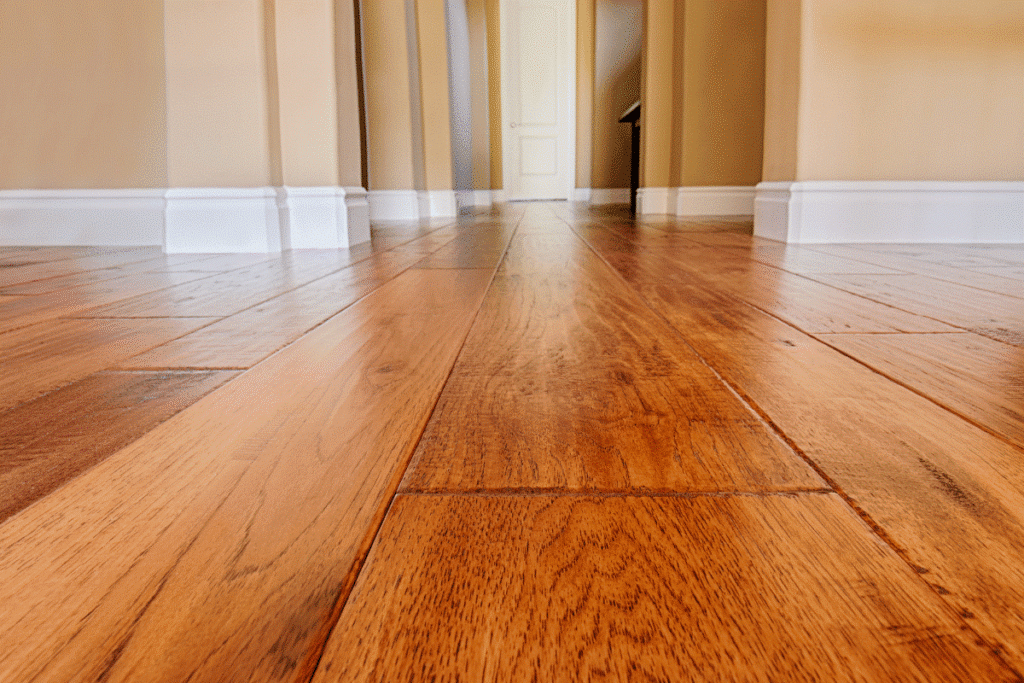
For landlords, choosing the right flooring means reducing renovation frequency, minimizing damage claims, and ensuring the unit remains competitive in a crowded rental market. Materials such as SPC vinyl, porcelain tiles, and high-quality laminate are often preferred due to their resistance to scratches, moisture, and heavy foot traffic. For tenants, understanding flooring responsibilities in the lease agreement is equally important—especially when it comes to wear and tear versus damage, cleaning obligations, and end-of-tenancy restoration rules.
This guide explores the key considerations for both landlords and tenants, helping both parties make informed decisions that protect investment value while ensuring comfortable, long-lasting living spaces.
Can Tenants Replace Flooring in a Dubai Rental Property?
Tenants should not replace, remove, or permanently alter flooring in a Dubai rental property without first checking the tenancy agreement and obtaining the landlord’s written approval. This is particularly important when the proposed work involves removing existing tiles or carpet, installing a new floor, or making changes that may need to be reversed when the tenancy ends.
The written agreement should clarify who pays for the work, who owns the improvement, whether professional installation is required, and whether the original flooring must be restored.
Where approval is granted, keeping the scope of work, invoices, photographs, and agreed restoration terms can help both parties avoid misunderstandings at move-out. For landlords planning a replacement between tenancies, residential flooring solutions can be assessed according to expected usage, maintenance requirements, and the condition of the property.
Wear and Tear vs. Actual Damage
Understanding the difference between “wear and tear” and “actual damage” is crucial in Dubai rental agreements. Wear and tear refers to natural deterioration that occurs over time through normal use, such as slight fading of laminate flooring, minor scratches from furniture, or softened carpet fibers. This type of deterioration is generally the landlord’s responsibility and cannot be deducted from the security deposit.
Actual damage, on the other hand, involves avoidable or intentional harm, such as deep stains, broken tiles, water damage from negligence, or burns on flooring surfaces. In Dubai’s rental market, disputes often arise when landlords classify normal usage as damage.
To avoid conflict, condition reports and move-in/move-out inspections are essential. Photographic evidence is commonly used to determine responsibility. Courts and the Rental Dispute Center typically rely on whether the damage exceeds reasonable use based on the lease duration. Clear definitions in the contract help both parties avoid misunderstandings and financial disagreements.
Best Flooring for Landlords (Durable & Neutral)
For landlords in Dubai, selecting the right flooring is a strategic decision that impacts long-term profitability and maintenance costs. The ideal flooring should be durable, easy to clean, and neutral in appearance to appeal to a wide range of tenants. Porcelain tiles remain one of the most popular choices due to their resistance to moisture, heat, and heavy foot traffic.
SPC vinyl flooring is also gaining popularity because it offers water resistance, scratch protection, and a modern aesthetic at a lower cost than natural materials. Neutral tones such as beige, light grey, and wood-look finishes are preferred because they match various interior styles and reduce the need for frequent upgrades.
Landlords should avoid overly customized or high-maintenance materials like natural hardwood in high-turnover units, as they are more prone to damage and expensive repairs. The goal is to minimize vacancy time, reduce refurbishment expenses, and maintain consistent rental appeal across multiple leasing cycles.
Best Flooring for Tenants (Removable)
Tenants in Dubai rental apartments often prefer flooring solutions that are temporary, affordable, and easy to install without altering the original structure. Since most lease agreements restrict permanent modifications, removable flooring options are ideal. High-quality interlocking vinyl tiles, peel-and-stick vinyl planks, and large area rugs are commonly used to personalize living spaces without violating contract terms.
These options provide aesthetic improvement while protecting the original flooring underneath from scratches, spills, and wear. Removable carpets or modular rugs are especially popular in furnished apartments or shared accommodations because they can be easily cleaned or replaced.
Tenants should always ensure that any added flooring does not damage the base surface when removed, as adhesive residue or discoloration can lead to security deposit deductions. In Dubai’s rental market, flexibility is key, and removable flooring allows tenants to enhance comfort and style while staying compliant with landlord requirements.
Security Deposit Deductions for Floors
Security deposit deductions related to flooring are a common source of disputes in Dubai rental agreements. Landlords are legally allowed to deduct from the deposit if there is evidence of damage beyond normal wear and tear. This includes deep scratches, broken tiles, permanent stains, or water damage caused by negligence. However, they cannot deduct for natural aging or minor cosmetic imperfections that occur over time.
To justify deductions, landlords must provide clear documentation, including before-and-after photos, inspection reports, and repair invoices. Tenants, on the other hand, have the right to challenge unfair deductions if they believe the flooring condition reflects normal use.
In many cases, partial deductions are negotiated rather than full withholding of the deposit. Transparency and proper documentation at the beginning and end of the tenancy are essential to avoid conflict. In Dubai’s competitive rental environment, clear expectations regarding flooring condition help ensure fair financial treatment for both parties.
Dubai Rental Law and Flooring Clauses
Dubai rental law places significant emphasis on maintaining property condition while balancing tenant rights. Flooring clauses in tenancy contracts typically specify that tenants must return the property in its original condition, subject to fair wear and tear. These clauses also outline restrictions on alterations, repair responsibilities, and restoration obligations.
The Dubai Land Department and Rental Dispute Center often review these agreements when disputes arise. If a contract clearly states that flooring must not be changed without permission, tenants are legally bound to comply. Some agreements may also include clauses requiring professional cleaning or restoration before move-out.
Landlords are encouraged to clearly define flooring expectations to avoid ambiguity, while tenants should carefully review these terms before signing. Understanding these legal frameworks helps both parties avoid disputes and ensures compliance with Dubai’s rental regulations.
Restoring Original Flooring at Move-Out
At the end of a tenancy in Dubai, tenants may be required to restore the original flooring if any modifications were made during their stay. This typically applies when tenants have installed temporary coverings, adhesive tiles, or made unauthorized changes. Restoration means returning the flooring to its original condition, which may include removing added materials, repairing damage, and deep cleaning the surface. Failure to restore the flooring properly can result in deductions from the security deposit.
Landlords may also require professional cleaning services or minor repairs before accepting the handover. In some cases, if the original flooring has been significantly altered or damaged, full replacement costs may be charged to the tenant. To avoid disputes, tenants should document the original condition at move-in and keep approval records for any changes made. Proper restoration ensures a smooth exit process and reduces the risk of financial penalties.
Subfloor Damage from AC Leaks
Air conditioning leaks are a common issue in Dubai apartments and can cause serious subfloor damage if not addressed quickly. Water from AC units can seep beneath flooring materials, leading to swelling, mold growth, and structural weakening, especially in laminate or wooden subfloors. Unlike surface stains, subfloor damage is often hidden and becomes noticeable only when flooring starts to warp or lift.
Responsibility for such damage depends on the cause—if it results from lack of maintenance by the tenant, they may be held liable; however, if it is due to building system failure, the landlord or building management may be responsible. Immediate reporting is critical to minimize repair costs.
In many cases, professional drying and partial flooring replacement are required. Preventive maintenance, such as regular AC servicing and drainage checks, plays a key role in avoiding such issues in Dubai’s humid climate.
Mediation at the Rental Dispute Center
When flooring disputes between landlords and tenants cannot be resolved amicably in Dubai, the Rental Dispute Center becomes the official authority for mediation. This legal body reviews contracts, inspection reports, and evidence from both parties to determine fair responsibility. Flooring-related disputes often involve disagreements over security deposit deductions, damage classification, or restoration costs.
The mediation process aims to reach a settlement before escalating to a formal ruling. Both landlords and tenants are encouraged to present clear documentation, including photos, invoices, and communication records. Decisions are based on contract terms and Dubai rental regulations, particularly regarding wear and tear versus damage.
Mediation is generally faster and less costly than court proceedings, making it the preferred first step in dispute resolution. Understanding this process helps both parties approach conflicts more professionally and increases the likelihood of a fair outcome.
FAQs
Q1: What is the best flooring for a rental property in Dubai?
A: The best rental flooring depends on traffic, moisture exposure, expected tenancy length, maintenance needs, and budget. SPC, vinyl, and laminate can all be suitable when correctly specified for the room.
Q2: Is SPC flooring good for rental apartments?
A: SPC can be a practical rental option because its rigid core provides good dimensional stability and its surface is resistant to routine moisture and everyday wear. The product and installation method should still match the property conditions.
Q3: Is laminate flooring suitable for rental properties?
A: Yes, laminate can work well in bedrooms, living areas, and other relatively dry spaces. It should be protected from excessive moisture, and the subfloor should be properly prepared before installation.
Q4: What should landlords consider when choosing rental flooring?
A: Landlords should consider expected foot traffic, tenant turnover, cleaning frequency, repairability, moisture exposure, installation requirements, and the likely cost of replacement over the property’s rental life.
Q5: Can tenants change the flooring in a Dubai rental apartment?
A: Tenants should first check their tenancy agreement and obtain written approval from the landlord before replacing or permanently modifying flooring. Any restoration requirements should also be agreed in writing.
Q6: Who should pay for new flooring in a rental property?
A: This depends on the tenancy agreement and the reason for the replacement. Landlord-funded improvements, tenant-requested upgrades, and damage repairs can have different cost responsibilities, so the arrangement should be documented before work begins.
Q7: Is flooring replacement a good investment for a rental property?
A: It can be worthwhile when the existing floor is damaged, difficult to maintain, or unsuitable for expected tenant use. A durable and appropriately specified floor may reduce the need for frequent repairs or replacement.
Q8: How does Dubai’s climate affect rental flooring?
A: Heat, air-conditioning cycles, humidity, dust, and moisture exposure can affect flooring performance. Proper product selection, subfloor preparation, installation, and maintenance are therefore important, particularly in areas exposed to moisture or strong temperature changes.
Q9: What flooring is easiest to maintain in a rental apartment?
A: Resilient surfaces such as SPC and vinyl are generally convenient for routine cleaning, while laminate can also be relatively easy to maintain in suitable dry areas. The manufacturer’s cleaning instructions should always be followed.
Q10: Should rental flooring be professionally installed?
A: Professional installation is recommended when the flooring requires accurate subfloor preparation, precise joints, adhesive application, or manufacturer-specific installation procedures. Correct installation can help reduce premature flooring problems.
