
When it comes to upgrading your garage or home flooring, choosing the right material is critical for both durability and appearance. Many homeowners are exploring modern options like epoxy coatings and SPC flooring, each offering unique benefits and considerations. Understanding the differences, installation requirements, and maintenance practices can help you make an informed decision that enhances your space while providing long-term value.
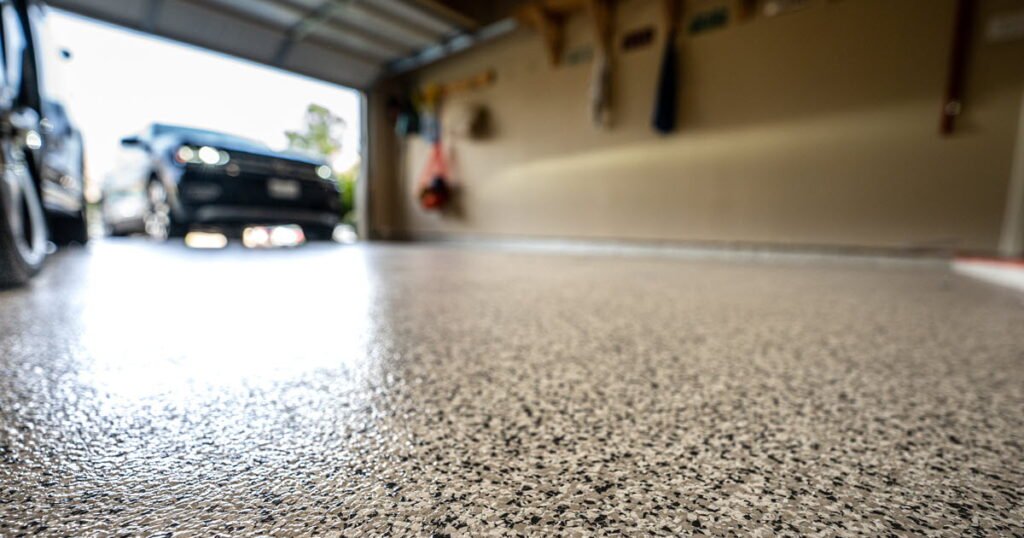
Epoxy garage flooring has grown increasingly popular due to its resilience, ease of maintenance, and ability to withstand heavy traffic. On the other hand, SPC flooring—Stone Plastic Composite—offers a versatile alternative with a more flexible installation process and impressive water resistance. Comparing these options side by side provides valuable insights for homeowners seeking durable and low-maintenance flooring solutions.
This article will guide you through the key characteristics of epoxy garage flooring and SPC flooring, explain how to select the right flooring paint, and provide practical advice on installation and maintenance. By the end, you will have a comprehensive understanding of how to choose the flooring option that best suits your needs.
Epoxy Garage Flooring: Benefits, Performance and Dubai Applications
Epoxy garage flooring is a resin-based coating system applied over properly prepared concrete to create a seamless, durable and easy-to-clean surface. It is particularly suitable for garages and workshops where the floor may experience vehicle loads, oil or chemical spills, abrasion and frequent cleaning.
For Dubai projects, correct substrate preparation and system selection are important because heat, dust and moisture conditions can affect adhesion and curing. Homeowners comparing garage solutions can review the dedicated epoxy garage flooring service for application-specific options, while epoxy flooring solutions provide broader information on resin systems and substrate preparation. Decorative flakes, colour blends and anti-slip additives can also be specified where appearance, traction and maintenance requirements need to be balanced.
Key advantages of epoxy garage flooring include:
- Durability: Epoxy creates a surface resistant to impacts, chemicals, and heavy loads. Vehicles, tools, and machinery can be accommodated without significant wear and tear.
- Aesthetic Appeal: With various color options and finishing styles, epoxy floors can transform a plain garage into a visually appealing space.
- Low Maintenance: The smooth, sealed surface is easy to clean, preventing dust, dirt, and oil stains from penetrating the floor.
- Chemical Resistance: Ideal for garages and workshops where exposure to automotive fluids or cleaning agents is common.
One practical tip for homeowners is to consider the floor’s exposure to sunlight. Epoxy coatings can sometimes yellow with UV exposure, so selecting UV-resistant variants may be necessary for garages with large windows or open doors.
Another advantage is that epoxy surfaces can be customized with decorative flakes, metallic effects, or anti-slip additives. These options enhance the visual appeal while adding safety for daily use.
SPC Flooring as an Alternative to Garage Epoxy
SPC (Stone Plastic Composite) flooring uses a rigid composite core with a decorative layer and protective wear layer, providing dimensional stability, water resistance and good everyday durability. Its click-lock construction can make installation faster than a resin coating when the existing substrate is suitable and properly prepared.
However, SPC and epoxy serve different purposes: SPC is generally more appropriate where waterproofing, design flexibility and residential-style finishes are priorities, while epoxy is better suited to concrete garage surfaces exposed to vehicle traffic, impact and automotive fluids. For projects where SPC is being considered outside the garage, the SPC flooring range in Dubai provides a more relevant product reference.
The popularity of SPC flooring stems from several key factors:
- Water Resistance: Unlike traditional laminate, SPC floors are impervious to water, making them ideal for basements, kitchens, or garages with potential moisture exposure.
- Dimensional Stability: The stone-plastic core minimizes expansion and contraction due to temperature changes, reducing the risk of buckling or gaps.
- Durability: SPC floors can withstand high foot traffic while resisting scratches and dents.
- Ease of Installation: Many SPC products feature click-lock systems that allow for DIY-friendly installation without the need for adhesives.
SPC flooring is also available in a wide range of designs and finishes, including wood and stone-look patterns. This versatility allows homeowners to achieve premium aesthetics without the complexity and cost of natural materials.
Epoxy vs SPC Flooring: Which Is Better for a Garage?
The choice between epoxy and SPC should be based on the substrate, expected loads, moisture conditions, chemical exposure and desired finish rather than appearance alone. Epoxy forms a bonded, continuous coating over concrete and is generally better suited to garages, workshops and other areas where vehicle traffic, abrasion and automotive fluids are expected.
SPC is a floating or click-lock floor covering that offers a wide range of wood- and stone-look designs and can be easier to install, but it is not intended to replace a high-performance coating system where direct vehicle loading and chemical exposure are the main concerns. For broader garage applications, the garage flooring solutions page can help users compare suitable systems before selecting the final surface.
- Material Composition:
- Epoxy is a resin-based coating that forms a continuous, hard surface.
- SPC flooring features a multi-layer structure with a stone-plastic composite core and a decorative top layer.
- Installation Process:
- Epoxy requires surface preparation, mixing, and curing over several days.
- SPC flooring often uses a click-lock system, allowing faster installation with minimal preparation.
- Durability:
- Epoxy excels under heavy loads and chemical exposure.
- SPC offers scratch resistance and waterproofing but may not withstand the same extreme mechanical impact as epoxy.
- Maintenance:
- Epoxy floors require periodic inspection for chips or cracks and occasional re-coating.
- SPC floors are easy to sweep and mop, with minimal long-term upkeep.
- Aesthetic Options:
- Epoxy allows customization with flakes, metallic finishes, and color blends.
- SPC provides realistic wood, stone, and tile patterns in a ready-to-use format.
In practice, garages with vehicle traffic and exposure to chemicals may benefit more from an epoxy solution, whereas residential spaces needing versatile design options and waterproofing might favor SPC flooring.
How to Select the Right Flooring Paint for Different Surfaces
When upgrading a garage or other high-traffic area, selecting the right flooring paint is critical for durability and appearance. Flooring paints vary based on surface type, intended use, and environmental exposure.
Here are essential considerations:
- Surface Type: Concrete requires a primer or bonding agent before painting, while previously coated surfaces may need light sanding.
- Durability: Choose a paint designed to withstand abrasion, chemical exposure, and foot or vehicle traffic.
- Finish Options: Glossy paints offer a reflective, easy-to-clean surface, while matte finishes reduce glare and hide imperfections.
- Application Method: Roller application is suitable for large flat areas, whereas brushes help reach corners and edges.
For garages and industrial areas, using a flooring paint formulated for epoxy or concrete ensures proper adhesion and long-term performance. Always follow manufacturer instructions for curing times and temperature conditions.
Additionally, some paints include non-slip additives for improved safety, particularly in areas prone to moisture or spills.
Step-by-Step Installation Guide for Epoxy Garage Flooring
Installing epoxy garage flooring requires preparation, precision, and patience to achieve a professional-quality finish. The following step-by-step guide highlights the essential stages:
- Surface Cleaning: Remove dust, dirt, grease, and old coatings using degreasers and pressure washing.
- Repair and Patch: Fill cracks and holes with epoxy-compatible fillers to create a smooth surface.
- Etching or Profiling: Treat the concrete to improve adhesion using acid etching or grinding methods.
- Priming: Apply an epoxy primer to seal the surface and enhance bonding of the topcoat.
- Mixing Epoxy: Combine resin and hardener in precise ratios, following manufacturer instructions.
- Application of Base Coat: Use rollers or squeegees to spread the epoxy evenly across the floor.
- Decorative Additions: Add flakes or other decorative elements while the epoxy is still wet.
- Topcoat Application: Apply a clear protective topcoat for durability, gloss, and chemical resistance.
- Curing Time: Allow the floor to cure fully, usually 24–72 hours, before heavy traffic.
Proper ventilation during installation is crucial, as epoxy fumes can be strong. Using protective gear, including gloves and masks, ensures safety throughout the process.
How to Maintain SPC and Epoxy Floors for Longevity
Maintaining both SPC and epoxy floors is essential to preserve their appearance and performance. While the maintenance requirements differ slightly, each approach is straightforward and effective.
Epoxy Floor Maintenance:
- Sweep or vacuum regularly to remove dust and debris.
- Mop with a mild detergent and warm water.
- Inspect for chips or cracks and reapply epoxy in damaged areas.
- Avoid abrasive cleaning tools that can scratch the surface.
SPC Floor Maintenance:
- Clean spills immediately to prevent surface staining.
- Use soft brooms or microfiber mops for regular cleaning.
- Avoid dragging heavy furniture across the surface.
- Use protective pads under furniture to prevent dents.
By implementing consistent maintenance practices, both flooring types can provide years of functional and aesthetic value.
Tips to Enhance the Appearance of Your Garage with Proper Flooring
Creating an inviting and functional garage space goes beyond selecting the right material. Proper planning and design can enhance both appearance and usability:
- Color Coordination: Match flooring color with walls, cabinets, and shelving for a cohesive look.
- Lighting: Use bright, energy-efficient lighting to highlight the floor’s finish and decorative elements.
- Zoning: Define areas for vehicles, workbenches, and storage using different finishes or patterns.
- Non-Slip Features: Consider non-slip additives in epoxy floors for safety.
- Decorative Accents: Add borders or geometric patterns to create visual interest.
Homeowners can also incorporate durable floor mats or tiles in high-traffic areas to further protect their surfaces.
In addition to aesthetics, using professional-grade epoxy garage flooring in combination with thoughtful design ensures that the garage remains functional and visually appealing for years to come.
Conclusion
Choosing between epoxy garage flooring and SPC flooring requires a balance of durability, aesthetics, installation ease, and maintenance needs. Epoxy offers unmatched resilience and customization options, making it ideal for heavy-use areas, while SPC provides a versatile, water-resistant solution suitable for various residential applications.
By understanding the differences, selecting appropriate flooring paint, and implementing proper maintenance practices, homeowners can make informed decisions that enhance both the functionality and visual appeal of their spaces. Whether your priority is longevity, design flexibility, or ease of installation, careful planning ensures a flooring solution that performs well over time.
FAQs
Q1: What is epoxy garage flooring?
A: Epoxy garage flooring is a resin-based coating system applied to prepared concrete. It creates a seamless surface with good resistance to abrasion, vehicle traffic, stains and many automotive chemicals.
Q2: Is epoxy suitable for garage floors in Dubai?
A: Yes. Epoxy can be suitable for Dubai garages when the concrete is properly prepared and the coating system is selected for the expected traffic, temperature and chemical exposure.
Q3: Can epoxy be applied directly over a concrete garage floor?
A: It can be applied over concrete, but the surface normally needs cleaning, profiling, crack or defect treatment and moisture assessment before coating to achieve reliable adhesion.
Q4: How does garage epoxy flooring compare with SPC flooring?
A: Epoxy is a bonded coating designed for prepared concrete and is generally better suited to vehicle loads and chemical exposure. SPC is a rigid floor covering that is more focused on residential-style aesthetics, water resistance and straightforward installation.
Q5: Can epoxy be used as a concrete flooring coating?
A: Yes. Epoxy is commonly used as a protective coating over concrete, provided the concrete is sound, sufficiently dry and properly prepared for the selected system.
Q6: Does epoxy flooring resist oil and automotive fluids?
A: Many properly formulated epoxy systems provide good resistance to common automotive fluids, but the exact chemical resistance depends on the resin system and exposure conditions.
Q7: Is epoxy garage flooring slippery when wet?
A: A smooth epoxy finish can become slippery when contaminated with water or oil. Anti-slip aggregates or textured finishes can be incorporated where additional traction is required.
Q8: Can epoxy garage floors handle heavy vehicles?
A: Properly specified epoxy systems can handle vehicle traffic effectively. Performance depends on concrete condition, coating thickness, substrate preparation and the expected loading.
Q9: Can epoxy garage flooring be customized?
A: Yes. Epoxy systems can incorporate different colours, decorative flakes, metallic effects and anti-slip finishes, depending on the desired appearance and performance requirements.
Q10: Is epoxy or SPC better for a Dubai garage?
A: For a conventional vehicle garage with a concrete substrate, epoxy is generally the more appropriate option because it creates a bonded, continuous surface designed for vehicle traffic. SPC is better considered where the project prioritizes decorative flooring and residential-style use.
