
In Dubai’s highly competitive hospitality sector, flooring is far more than a design choice—it is a core part of the 5-star guest experience. Hotels and resorts across the city are expected to deliver an atmosphere of luxury, comfort, and durability that can withstand constant foot traffic, high humidity, and intensive daily cleaning routines. From grand lobbies in Downtown Dubai to beachfront resorts along Jumeirah, flooring plays a silent but powerful role in shaping first impressions and long-term guest satisfaction.
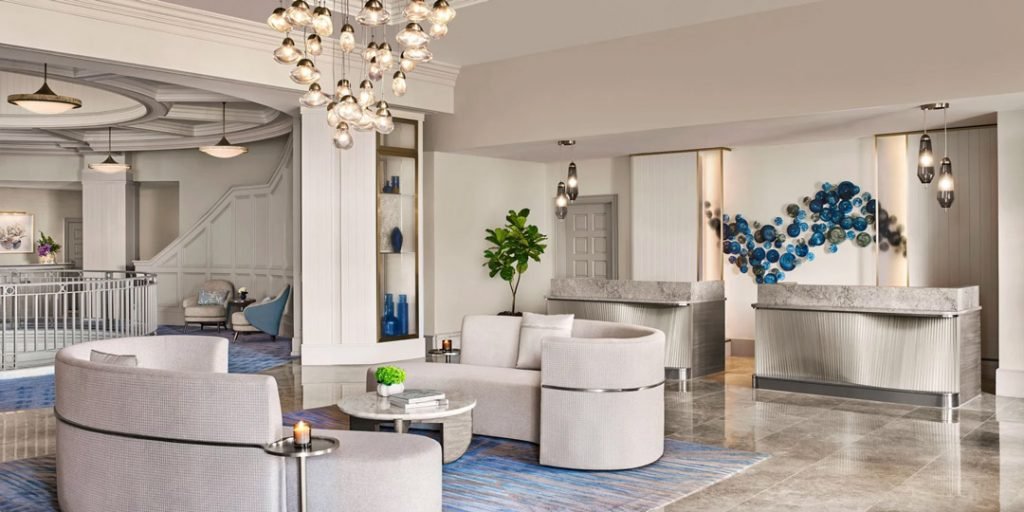
Luxury hotels typically prioritize materials that balance aesthetics with performance, such as polished marble, engineered wood, high-end porcelain tiles, and premium carpet systems. Each material is carefully selected not only for its visual appeal but also for its ability to enhance acoustics, ensure safety with slip resistance, and maintain a cool surface in Dubai’s hot climate. In guest rooms, flooring must create a sense of warmth and relaxation, while in public areas it must reflect elegance and withstand heavy use without losing its refined look.
Ultimately, flooring in Dubai’s hotels and resorts is part of a broader hospitality strategy: to create seamless comfort, elevate brand identity, and ensure that every guest experience feels consistently premium from the moment they step inside.
Lobby Flooring: Marble vs. Large Porcelain Slabs
In Dubai hotels and resorts, the lobby flooring is a defining element of the guest’s first impression, and the choice often comes down to marble versus large-format porcelain slabs. Marble is traditionally associated with ultra-luxury hospitality, offering natural veining, depth, and a timeless aesthetic that communicates prestige.
It performs well in temperature regulation, staying cool underfoot, which is ideal for Dubai’s warm climate. However, marble requires frequent polishing, sealing, and maintenance to preserve its shine under heavy foot traffic. Large porcelain slabs, on the other hand, have become a modern alternative due to their durability, lower maintenance requirements, and advanced design printing that closely replicates natural stone.
They are more resistant to staining, scratching, and moisture penetration, making them highly practical for high-traffic hotel lobbies. Installation of large slabs also reduces grout lines, creating a cleaner and more seamless visual effect. While marble delivers unmatched authenticity, porcelain offers operational efficiency and long-term cost control. Many 5-star hotels now combine both materials—using marble for feature zones and porcelain for high-traffic circulation areas—to balance luxury presentation with functional performance.
Guest Corridors: Carpet vs. LVT for Acoustics
Guest corridors in Dubai hotels require flooring that prioritizes acoustic comfort, durability, and ease of maintenance, with carpet and LVT (Luxury Vinyl Tile) being the two leading options. Carpet is traditionally favored in luxury hospitality because of its superior sound absorption, which helps reduce footsteps, rolling luggage noise, and general corridor echo.
It also enhances warmth and comfort, contributing to a quieter guest experience. However, carpet requires frequent deep cleaning and may be less resistant to stains in high-traffic environments. LVT, on the other hand, offers a modern, highly durable alternative with realistic wood or stone aesthetics and excellent resistance to moisture and wear.
While LVT is naturally harder than carpet, acoustic underlays can significantly improve its sound-dampening performance. It also allows for easier spot cleaning and longer lifecycle performance, especially in busy hotels with constant guest turnover. Many Dubai properties now adopt hybrid strategies, using carpet in premium guest corridors for luxury floors and LVT in service-adjacent or high-traffic zones. The decision ultimately depends on balancing acoustic expectations with operational efficiency and maintenance budgets.
Guest Rooms: Soundproof Underlay + Carpet
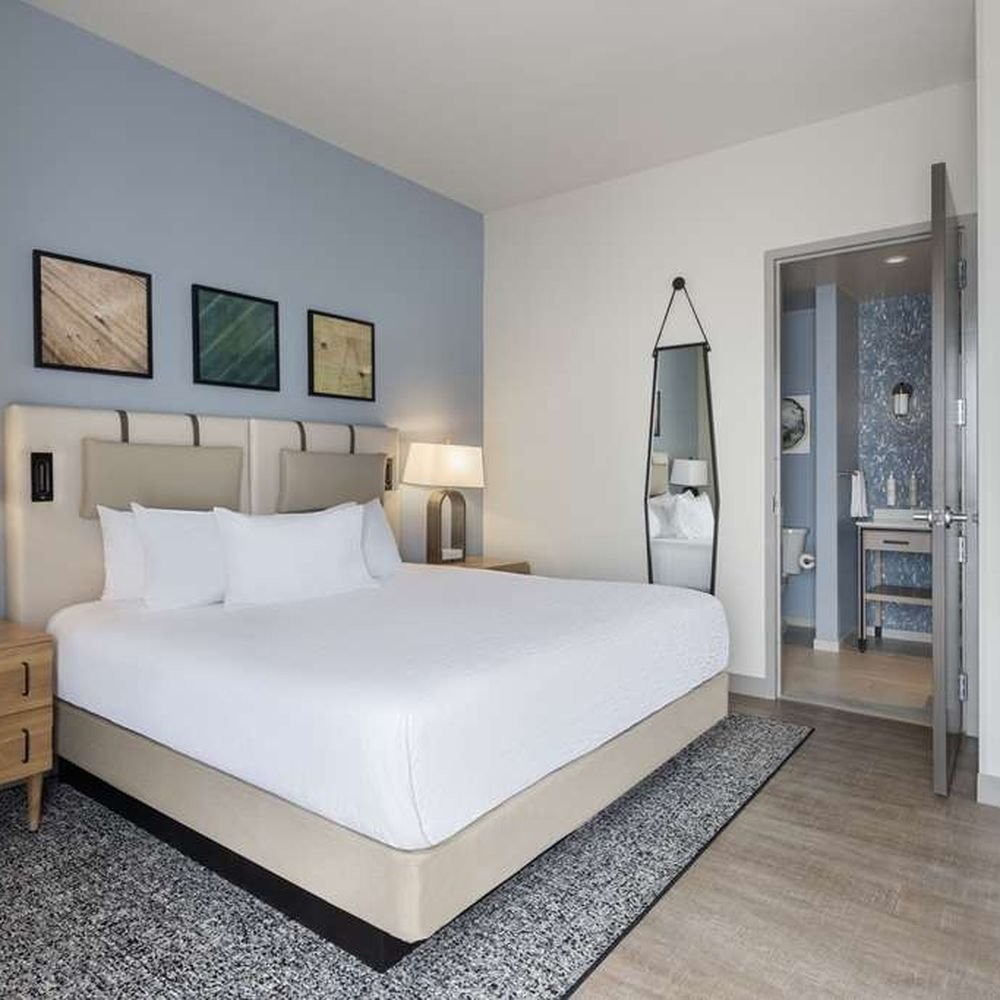
In 5-star hotel guest rooms across Dubai, the combination of soundproof underlay and carpet is essential for ensuring privacy, comfort, and a premium sleeping experience. Guests expect quiet environments, and flooring plays a major role in reducing noise transmission between floors and adjacent rooms.
A high-quality acoustic underlay absorbs impact noise such as footsteps, chair movement, and luggage rolling, significantly improving sound insulation performance. When paired with dense, high-pile or woven carpet, the system creates a soft, luxurious underfoot feel while enhancing thermal comfort—important in air-conditioned environments. Carpets also contribute to visual warmth and help define a cozy, residential atmosphere within hotel rooms.
However, performance depends heavily on material quality; low-grade underlays can compress over time and lose effectiveness, while high-density acoustic layers maintain long-term sound reduction. In Dubai’s hospitality market, where guest expectations are extremely high, this flooring system is considered a standard for luxury positioning. It also supports brand reputation by minimizing complaints related to noise disturbances, ultimately contributing to higher guest satisfaction scores and repeat bookings.
Restaurant & Buffet: Epoxy for Spill Proofing
Hotel restaurants and buffet areas in Dubai require flooring systems that can handle constant spills, heavy foot traffic, and strict hygiene standards, making epoxy flooring an increasingly popular choice. Epoxy creates a seamless, non-porous surface that prevents liquids from penetrating the subfloor, which is essential in environments where food, beverages, and cleaning chemicals are frequently used.
Its joint-free finish eliminates grout lines, reducing bacterial growth and making cleaning faster and more effective. This is particularly important in buffet areas where spills are continuous and rapid turnaround cleaning is required. Epoxy flooring is also highly resistant to stains, grease, and abrasion, ensuring long-term durability even under heavy operational loads.
From a design perspective, modern epoxy systems can be customized with decorative finishes, matte textures, or stone-like effects, allowing hotels to maintain a refined aesthetic while prioritizing function. However, slip resistance must be carefully specified to ensure guest safety, especially in wet conditions. Overall, epoxy flooring provides a practical, hygienic, and cost-efficient solution that aligns with the operational demands of high-volume hotel dining environments.
Pool Deck: Non-Slip Textured Porcelain
Pool decks in Dubai resorts demand flooring that prioritizes safety, heat resistance, and durability, making non-slip textured porcelain one of the most effective solutions. Unlike smooth tiles, textured porcelain is engineered to provide grip even when wet, significantly reducing the risk of slips and falls in poolside areas. This is particularly important in luxury resorts where guest safety standards are strictly enforced.
The material is also highly resistant to water absorption, chlorine exposure, and UV rays, ensuring long-lasting performance in outdoor conditions. Another key advantage is its ability to stay cooler under direct sunlight compared to natural stone, improving barefoot comfort for guests. Aesthetic flexibility is also a major benefit, as porcelain can replicate natural wood, stone, or sand finishes, allowing seamless integration with resort landscapes.
Maintenance is relatively simple, requiring only routine cleaning without the need for sealing or specialized treatment. In high-end Dubai resorts, large-format tiles are often used to minimize grout lines and create a continuous, elegant visual flow around pools. This combination of safety, durability, and design versatility makes textured porcelain a preferred choice for modern hospitality developments.
Spa & Wellness: Heated Cork or Rubber
Spa and wellness areas in Dubai hotels require flooring that enhances relaxation, comfort, and sensory experience, making heated cork and rubber flooring strong candidates. Cork is a natural material known for its softness, thermal insulation, and anti-fatigue properties, creating a warm and comfortable walking surface that supports barefoot spa environments.
When combined with radiant heating systems, cork flooring enhances relaxation by maintaining gentle underfoot warmth, which aligns with luxury wellness expectations. Rubber flooring, on the other hand, provides excellent slip resistance, durability, and shock absorption, making it suitable for yoga rooms, fitness zones, and treatment areas. It also reduces impact noise, contributing to a calm and quiet spa atmosphere.
Both materials are resilient against moisture and frequent cleaning, which is essential in humid spa environments. While cork offers a more natural and premium aesthetic, rubber provides superior durability in high-traffic wellness zones. Many luxury hotels in Dubai integrate both materials strategically, using cork in relaxation lounges and rubber in active fitness areas, ensuring a balanced experience that supports both comfort and functionality.
Back of House: Sheet Vinyl for Hygiene
Back-of-house (BOH) areas in Dubai hotels, including kitchens, laundry rooms, and service corridors, require flooring that prioritizes hygiene, durability, and ease of maintenance, making sheet vinyl a widely adopted solution. Unlike tiled surfaces, sheet vinyl is installed in continuous rolls, minimizing seams where dirt, bacteria, and moisture could accumulate. This seamless structure makes it highly effective in maintaining strict hygiene standards required in hospitality operations.
It is also resistant to water, cleaning chemicals, and food-related stains, ensuring long-term performance under demanding conditions. Another key advantage is its soft resilience, which reduces fatigue for staff who spend long hours standing and moving in service areas. Sheet vinyl also provides good slip resistance, improving safety in environments where spills are frequent.
Maintenance is simple and cost-effective, requiring only routine cleaning without specialized treatment. In Dubai’s high-end hotels, BOH flooring must also support compliance with health and safety regulations, and sheet vinyl consistently meets these requirements. Its combination of hygiene control, durability, and operational efficiency makes it a practical backbone solution behind the luxury experience delivered in guest-facing areas.
Fire Rating Requirements from Civil Defense
In Dubai’s hospitality sector, flooring systems must comply with strict fire safety regulations set by Civil Defense authorities, making fire rating compliance a critical design consideration. Hotel flooring materials are evaluated based on their ability to resist flame spread, limit smoke production, and maintain structural stability during fire exposure. Materials such as carpet, vinyl, and engineered wood must meet specific fire classification standards before approval for installation in public and guest areas.
Adhesives and underlayments also play a crucial role, as they can significantly influence overall fire performance. In high-rise hotels and resorts, compliance is not optional; it is integrated into the building permit and inspection process. Fire-rated flooring systems are often tested for reaction-to-fire performance, ensuring they do not contribute excessively to fire propagation.
Designers must also coordinate flooring choices with evacuation planning, ensuring safe egress routes remain functional under emergency conditions. In luxury hospitality projects, balancing fire safety with aesthetic expectations requires careful material selection and certification documentation. Ultimately, compliance with Civil Defense fire rating requirements ensures not only legal approval but also the safety and protection of guests and staff in high-occupancy environments.
ROI: Guest Satisfaction Linked to Flooring
In Dubai’s 5-star hotel industry, flooring is directly linked to return on investment (ROI) through its impact on guest satisfaction, brand perception, and operational efficiency. While flooring is often considered a design element, it significantly influences how guests perceive cleanliness, luxury, and comfort.
High-quality flooring systems reduce noise, enhance aesthetics, and improve safety, all of which contribute to higher guest satisfaction scores and positive reviews. These factors directly affect occupancy rates and room pricing power, especially in competitive hospitality markets. Durable flooring materials also reduce long-term maintenance and replacement costs, lowering operational expenses over time.
For example, investing in premium acoustic systems in guest rooms can reduce complaints related to noise, while stain-resistant restaurant flooring reduces cleaning downtime and labor costs. In public areas, visually striking materials like marble or large porcelain slabs enhance brand positioning and perceived value. Over time, these benefits compound, making flooring not just a construction cost but a strategic investment. Hotels that align flooring decisions with guest experience goals consistently achieve stronger financial performance and higher long-term ROI.
FAQ
What flooring do 5-star Dubai hotels use in rooms?
Most use woven nylon carpet for acoustics, some use high-end LVT.
Is marble still popular in hotel lobbies?
Yes, but large porcelain slabs are becoming an alternative.
What flooring is most stain-resistant for hotel buffets?
Epoxy with quartz, as it is groutless and easy to wipe.
Can hotels use SPC in guest rooms?
Uncommon due to footstep echo; mainly used for balconies.
What fire rating does Dubai Civil Defense require?
Specific flame spread ratings for carpets and vinyl.
How often do hotels replace guest room carpet?
Every few years for corridors, longer for rooms.
What flooring is best for a hotel pool deck?
Textured porcelain with high slip resistance.
How to soundproof hotel floors between rooms?
Floating screed, rubber underlay, and carpet.
Does flooring affect hotel star ratings?
Yes, worn flooring loses points in inspections.
