
Flooring for an Arabic Majlis represents a unique intersection between cultural tradition and modern interior design. The Majlis, as a central space for hospitality and gathering in Arab homes, demands flooring that is not only visually elegant but also practical, comfortable, and durable. Traditionally, Majlis floors were often covered with carpets or rugs to create a warm, welcoming atmosphere for guests seated on cushions and low seating. Today, however, homeowners are blending this heritage with contemporary flooring materials such as marble, luxury vinyl, engineered wood, and polished porcelain to achieve a more refined and low-maintenance finish.
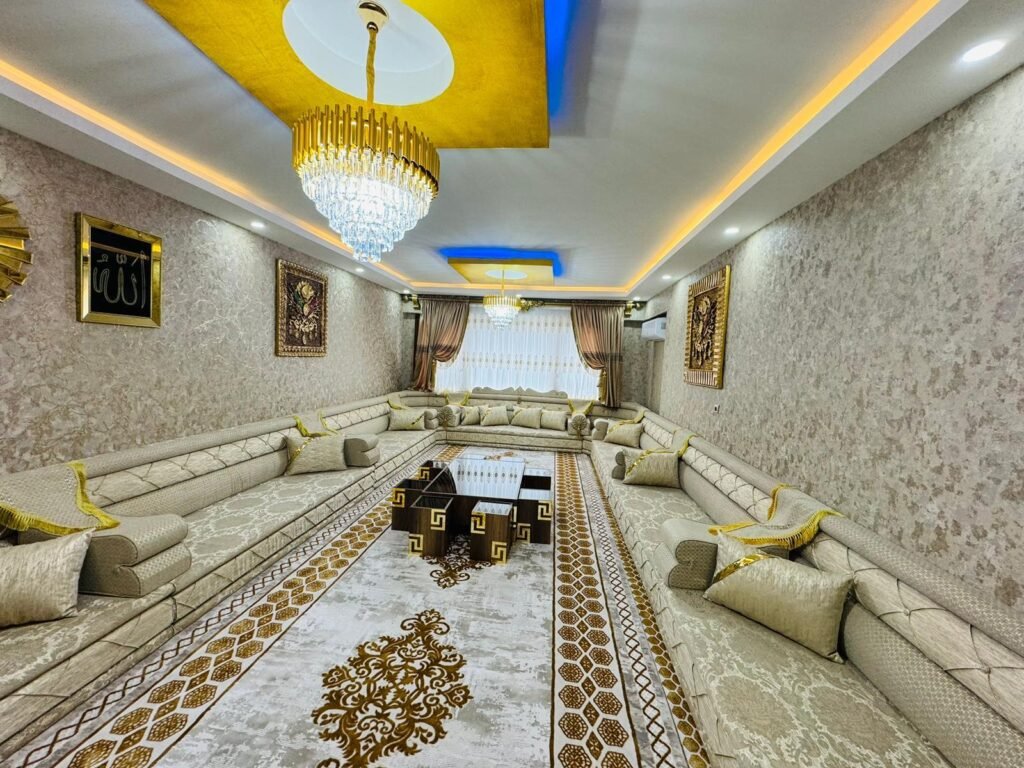
Modern Majlis flooring must balance aesthetics with functionality. It should reflect the richness of Arabic design—often through patterns, textures, or warm earthy tones—while also withstanding heavy foot traffic and frequent social gatherings. Comfort is equally important, especially in spaces where people may sit directly on the floor. For this reason, underfloor heating compatibility, smooth finishes, and soft underlays are becoming increasingly popular.
ltimately, choosing flooring for an Arabic Majlis is about preserving cultural identity while embracing modern living standards. The right material can transform the space into a harmonious blend of tradition, luxury, and everyday practicality.
Low-Pile Carpet: The Majlis Standard
Low-pile carpet remains one of the most traditional and widely used flooring choices for an Arabic Majlis. Its appeal comes from its ability to combine cultural authenticity with everyday practicality. In many Arab homes, the Majlis is a space where guests sit on cushions or low seating arrangements, and low-pile carpet provides a stable, comfortable surface that supports this lifestyle. Unlike thick carpets, low-pile options are easier to clean and maintain, making them suitable for frequent gatherings. They also reduce the risk of cushions sliding, which is important for both comfort and safety.
From a design perspective, low-pile carpets are available in a wide range of patterns, often inspired by Islamic geometry or subtle Arabic motifs. This allows homeowners to maintain a traditional aesthetic while still matching modern interior themes. Additionally, these carpets offer moderate sound absorption, which helps create a calm and private atmosphere during social gatherings.
Another advantage is affordability compared to premium stone or wood flooring. However, quality matters—cheap versions can flatten quickly under heavy use. Overall, low-pile carpet continues to be the “default” Majlis flooring because it balances tradition, comfort, and functionality in a way few other materials can replicate.
Parquet Herringbone for Luxury Look
Parquet herringbone flooring has become a popular choice for Majlis spaces that aim to blend traditional hospitality with a luxurious, contemporary aesthetic. The distinctive zigzag pattern creates a sense of depth and movement, instantly elevating the visual appeal of the room. In an Arabic Majlis, where first impressions matter greatly, herringbone parquet communicates refinement and attention to detail.
Engineered wood versions are often preferred in modern homes due to their stability in varying humidity conditions. This is particularly important in regions with climate fluctuations or heavy air conditioning use. The natural wood tones also complement Arabic décor elements such as gold accents, patterned cushions, and ornate lighting fixtures.
Beyond aesthetics, parquet flooring offers a comfortable underfoot feel compared to stone surfaces, making it suitable for long gatherings. However, homeowners often layer it with decorative rugs to preserve cultural seating traditions and add warmth. Maintenance is moderate; regular sweeping and occasional polishing are required to maintain its shine and prevent scratches from furniture or foot traffic.
Overall, herringbone parquet represents a balance between heritage-inspired design and modern luxury, making it ideal for Majlis spaces that aim for a premium, sophisticated atmosphere.
SPC Wood Look for Durability with Large Gatherings
SPC (Stone Plastic Composite) wood-look flooring is increasingly popular in Majlis design due to its exceptional durability and practicality. In homes where large gatherings are frequent, flooring must withstand heavy foot traffic, shifting furniture, and occasional spills. SPC flooring delivers on all these requirements while maintaining a realistic wood appearance.
One of its strongest advantages is its waterproof and scratch-resistant core, which makes it ideal for social environments where drinks like Arabic coffee and tea are commonly served. Unlike natural wood, SPC does not swell or warp under moisture exposure, making it a low-risk choice for busy households.
From a design standpoint, modern SPC planks replicate wood textures convincingly, allowing homeowners to achieve a warm and elegant Majlis atmosphere without sacrificing performance. It also works well with both traditional seating setups and modern furniture arrangements.
Installation is typically quick due to click-lock systems, reducing downtime during home renovations. Maintenance is minimal—regular sweeping and occasional mopping are usually sufficient. For families or households that host frequent guests, SPC flooring offers a reliable combination of style, resilience, and ease of care.
Why High-Pile Carpet Fails (Cushions Slide)
High-pile carpet may seem luxurious at first glance, but it is often unsuitable for a traditional Majlis setting. One of its main drawbacks is instability, particularly when cushions and low seating arrangements are used. The soft, thick fibers of high-pile carpet can cause cushions to slide or sink unevenly, disrupting the seating arrangement and reducing comfort during gatherings.
Another issue is maintenance. High-pile carpets tend to trap dust, crumbs, and spills more easily than low-pile alternatives. In a Majlis environment where food, drinks, and frequent guest traffic are common, this becomes a significant challenge. Cleaning such carpets requires deep vacuuming and sometimes professional treatment, which increases long-term maintenance costs.
Additionally, high-pile carpets can flatten quickly under repeated use, leading to an uneven appearance over time. This affects the visual harmony of the Majlis, which is meant to be a welcoming and well-presented space.
While they do offer a plush and soft feel, their practicality is limited in social spaces. For this reason, many homeowners avoid high-pile carpets in favor of more stable and easy-to-maintain flooring options that better support traditional seating arrangements and frequent gatherings.
Stain Resistance for Coffee, Tea & Gahwa
Stain resistance is one of the most critical factors when selecting Majlis flooring, especially due to the cultural importance of serving Arabic coffee (gahwa), tea, and refreshments during gatherings. Spills are almost inevitable in a social setting, making it essential for flooring materials to resist staining and allow easy cleanup.
Modern flooring options such as SPC, porcelain tiles, and treated engineered wood offer strong resistance to liquid absorption. These surfaces prevent spills from penetrating deeply, allowing quick wiping without permanent marks. In contrast, untreated wood or low-quality carpets can absorb liquids quickly, leading to long-term discoloration and odor retention.
Designers often recommend matte or textured finishes, which help conceal minor stains between cleaning sessions. Additionally, protective coatings such as polyurethane layers can enhance resistance and extend the lifespan of the flooring.
In traditional Majlis setups, where guests are frequently served coffee and dates, maintaining a spotless appearance is part of hospitality etiquette. Therefore, choosing flooring with strong stain resistance is not just a practical decision but also a cultural one, ensuring the space remains elegant and welcoming at all times.
Sound Absorption for Groups of Guests
Sound absorption plays a vital role in creating a comfortable Majlis environment, especially during large gatherings where conversation levels can rise significantly. A well-designed floor can help reduce echo and noise reflection, contributing to a more intimate and pleasant atmosphere for guests.
Carpeted flooring naturally offers the highest level of sound absorption, making it a traditional favorite for Majlis spaces. It softens footsteps and reduces background noise, which is particularly important when multiple groups are conversing simultaneously. However, modern materials such as SPC and wood can also be paired with acoustic underlayments to improve sound performance.
Underlays made from rubber, foam, or cork help dampen vibrations and prevent sound from traveling between floors, which is especially valuable in multi-story homes or apartments. This ensures that the Majlis remains a private and peaceful space, even during busy social events.
Balancing aesthetics and acoustics is key. While hard surfaces may look more luxurious, incorporating rugs, cushions, and soft furnishings helps enhance sound absorption without compromising design. Ultimately, effective acoustic planning ensures that the Majlis remains both elegant and socially comfortable.
Transition to Dining Areas
The transition between a Majlis and adjoining dining areas is an important design consideration, especially in modern Arab homes where open-plan layouts are common. Flooring plays a key role in defining these spaces while maintaining visual harmony. A smooth and well-planned transition ensures both functionality and aesthetic continuity.
Many homeowners choose to use complementary materials, such as SPC wood-look flooring in both spaces, to create a seamless flow. Others prefer subtle contrasts—such as carpet or rug-defined Majlis areas transitioning into tiled or stone dining zones. These transitions help visually separate functions without the need for walls or barriers.
Height differences must also be carefully managed to avoid tripping hazards. Transition strips or flush installations are often used to maintain safety while preserving design integrity. In high-traffic households, durability becomes especially important, as both areas experience frequent movement and furniture rearrangement.
Ultimately, the goal is to create a cohesive living experience where the Majlis and dining areas feel connected yet distinct. Thoughtful flooring transitions enhance both practicality and the overall architectural elegance of the home.
Cleaning Protocols After a Majlis
Cleaning after a Majlis gathering is an essential part of maintaining both hygiene and presentation standards. Because these spaces are used for hosting guests, they often experience spills, crumbs, and heavy foot traffic, making structured cleaning protocols necessary.
The first step is immediate surface clearing—removing food trays, cups, and cushions to prevent stains from setting in. Quick vacuuming or sweeping helps eliminate dust and debris, especially in carpeted or textured flooring. For hard surfaces like SPC or tile, damp mopping with a mild, non-abrasive cleaner is usually sufficient to restore cleanliness.
Stain treatment should be done promptly, particularly for coffee or tea spills, which can leave marks if left untreated. Using appropriate cleaning solutions ensures that the flooring retains its original finish without damage.
Regular deep cleaning is also recommended after large gatherings. This may include steam cleaning carpets, polishing wood surfaces, or disinfecting high-contact areas. Establishing a consistent cleaning routine helps preserve the flooring’s appearance and extends its lifespan, ensuring the Majlis remains presentable for future guests.
Balancing Tradition with Modern Maintenance
Balancing tradition with modern maintenance is at the heart of contemporary Majlis flooring design. While traditional materials like carpets reflect cultural heritage and hospitality values, modern lifestyles demand practicality, durability, and ease of upkeep. Finding the right balance ensures that the Majlis remains both meaningful and functional.
Many homeowners achieve this balance by combining materials—for example, using SPC or wood-look flooring as a base and layering it with traditional rugs for seating areas. This approach preserves cultural aesthetics while simplifying cleaning and maintenance.
Modern flooring technologies also support this balance by offering stain resistance, waterproofing, and scratch protection, reducing the effort required to maintain a pristine environment. At the same time, decorative elements such as cushions, textiles, and patterns keep the traditional Majlis atmosphere alive.
Ultimately, the modern Majlis is no longer defined by a single flooring type but by a thoughtful integration of old and new. By combining heritage-inspired design with advanced materials, homeowners can create a space that respects tradition while meeting the demands of contemporary living.
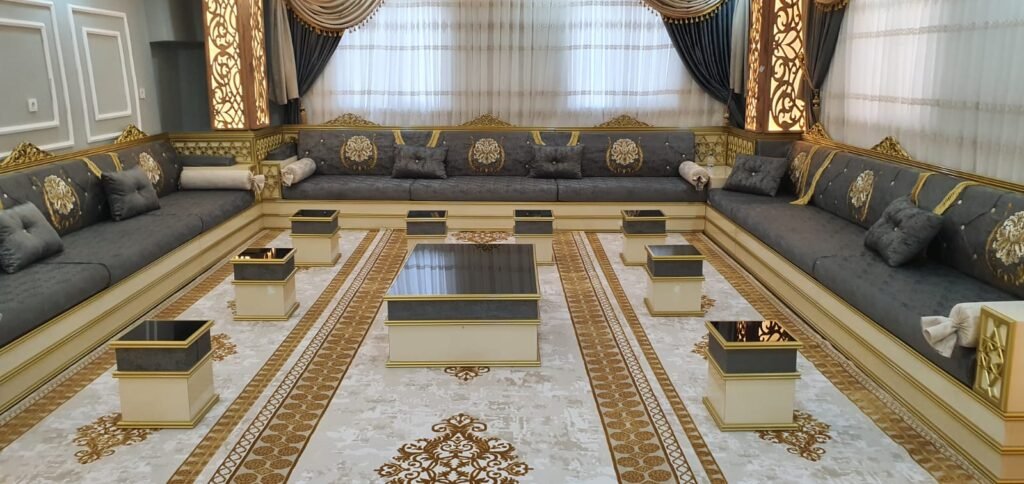
FAQs
Q1: What is the best carpet for an Arabic Majlis?
A: A low- to medium-pile carpet is often practical because it provides comfort for gatherings while remaining easier to clean than very deep-pile options. The best choice depends on traffic, seating arrangements, design preferences, and maintenance requirements.
Q2: Why is carpet commonly used in a Majlis?
A: Carpet creates a warm and comfortable environment for hospitality and works naturally with cushions and low seating. It can also introduce traditional patterns, colors, and textures associated with Majlis interiors.
Q3: Is low-pile carpet suitable for a Majlis?
A: Yes. Low-pile carpet offers a stable surface for seating and is generally easier to vacuum and maintain than high-pile carpet, making it practical for spaces used frequently for gatherings.
Q4: What carpet colors work well in a traditional Majlis?
A: Rich reds, burgundy, beige, brown, gold, and other warm earthy tones can complement traditional Majlis décor. Neutral shades are suitable when the furnishings or wall treatments already provide strong visual patterns.
Q5: Are patterned carpets suitable for modern Majlis interiors?
A: Yes. Geometric, understated, or traditional-inspired patterns can connect the room to Arabic design while still working with contemporary furniture and finishes.
Q6: How do I maintain a Majlis carpet in Dubai?
A: Regular vacuuming helps remove dust and fine sand before they become embedded in the fibers. Spills should be treated promptly using a cleaning method appropriate for the carpet material.
Q7: Can I use a decorative rug over Majlis flooring?
A: Yes. Decorative rugs can define seating areas and add texture or traditional character, particularly when the underlying floor is wood, vinyl, tile, or another hard surface.
Q8: Is carpet better than wood flooring for a Majlis?
A: It depends on the intended atmosphere and maintenance preferences. Carpet provides softness and warmth directly underfoot, while wood offers a harder, contemporary base that can be combined with decorative rugs.
Q9: Can herringbone flooring work in an Arabic Majlis?
A: Yes. Herringbone flooring can provide a sophisticated contemporary foundation while traditional furnishings, cushions, and rugs retain the cultural character of the Majlis.
Q10: What should I consider when choosing a Majlis carpet in Dubai?
A: Consider the room dimensions, expected guest traffic, pile height, fiber type, pattern, color, cleaning requirements, and exposure to indoor dust and sand. These factors help determine a carpet that balances appearance, comfort, and practicality.
