
Before installing any new flooring in Dubai homes or commercial spaces, one crucial step determines the final quality, durability, and appearance of the entire project: floor leveling. In a city where modern interiors demand perfectly smooth finishes—whether for luxury villas, apartments, or retail spaces—preparing the subfloor is not optional, it is essential. Uneven concrete slabs, minor dips, cracks, or surface irregularities can lead to serious long-term issues such as creaking floors, loose tiles, visible gaps, or premature wear of vinyl, wood, or laminate flooring.
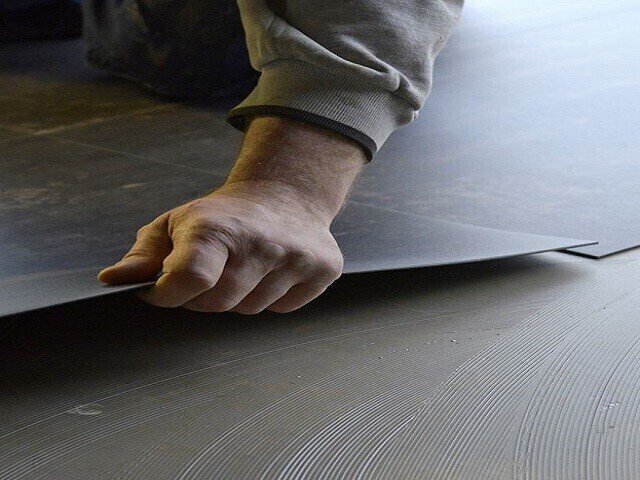
Floor leveling in Dubai is especially important due to the region’s rapid construction practices and varying subfloor conditions in both new and renovated properties. By using professional leveling compounds and proper surface preparation techniques, installers ensure a flat, stable, and moisture-controlled base that supports any flooring type. This process not only improves the visual finish but also enhances comfort underfoot, sound insulation, and structural performance. In essence, floor leveling is the hidden foundation of every successful flooring project, guaranteeing that the final surface looks flawless and performs reliably in Dubai’s demanding climate and lifestyle conditions.
Why Dubai Floors Are Often Uneven
Uneven floors are a common issue in many properties across Dubai due to a combination of fast-paced construction, varied building standards, and environmental factors. In many new developments, concrete slabs are poured quickly to meet tight project deadlines, which can sometimes result in minor inconsistencies in surface flatness. In older buildings, natural settling of the structure over time can also create dips, cracks, or slight slopes in the subfloor.
Another contributing factor is the region’s climate; high humidity and temperature fluctuations can cause minor expansion and contraction in construction materials, which gradually affects floor integrity. In addition, some renovation projects involve removing old flooring layers without properly re-preparing the base, leaving behind adhesive residues or uneven patches. In commercial spaces, heavy foot traffic and furniture movement can also worsen existing imperfections.
These combined factors make it very common for contractors in Dubai to encounter subfloors that are not perfectly level. As a result, floor leveling becomes a necessary preparation step before installing materials such as tiles, vinyl, laminate, or engineered wood. Without addressing these irregularities, even high-quality flooring will not perform properly or achieve a flawless finish, which is essential in Dubai’s premium residential and commercial interior standards.
When Does a Floor Need Leveling Before Installation?
A floor needs leveling when the subfloor falls outside the flatness or surface-tolerance requirements of the flooring system being installed. Assessment should identify low spots, high points, abrupt transitions, cracks, and other irregularities using appropriate tools such as a straightedge or laser level. This is particularly important for resilient flooring, laminate, SPC, and engineered wood, where excessive subfloor variation can contribute to movement, joint stress, uneven wear, or visible imperfections. The acceptable tolerance is not a universal “few millimeters” rule; it should be determined according to the flooring manufacturer’s installation requirements and the intended installation method.
Where the existing substrate requires mechanical correction before leveling, floor grinding services may help remove localized high spots or surface irregularities. Addressing these conditions before installation reduces the risk of premature flooring problems and provides a more reliable base for the finished surface.
Self-Leveling Compound vs. Sand Cement Screed
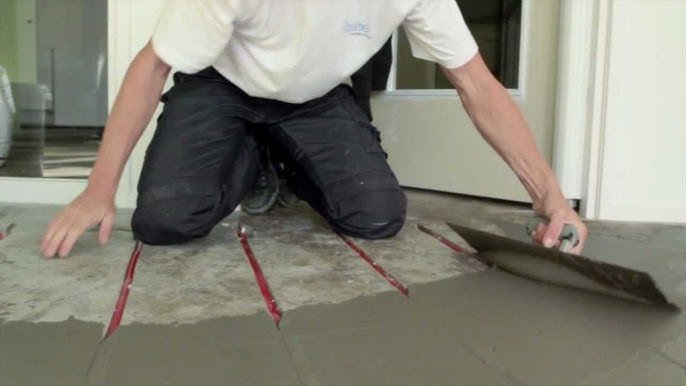
Self-leveling compound and sand cement screed are two common methods used for floor leveling in Dubai, but they serve different purposes and offer different performance levels. Self-leveling compounds are modern cement-based materials designed to flow easily across the subfloor, automatically filling low areas and creating a smooth, even surface. They are ideal for thin corrections and are commonly used before installing vinyl, laminate, or engineered wood. Their biggest advantage is speed—they dry relatively fast and produce a highly precise finish with minimal manual effort.
On the other hand, sand cement screed is a traditional method that involves manually mixing and applying a thicker layer of cement and sand to build up uneven floors. It is better suited for major height corrections, structural leveling, or creating new floor slopes in bathrooms and balconies.
However, it requires more time, skill, and longer curing periods. In Dubai construction projects, contractors often combine both methods depending on the severity of the unevenness. Self-leveling compounds are preferred for interior finishing work, while sand cement screeds are used for heavy-duty base corrections. Choosing the right method ensures durability, proper adhesion, and a flawless final flooring installation.
Thickness Ranges for Different Repairs
Floor leveling thickness varies depending on the condition of the subfloor and the type of flooring being installed. In Dubai projects, understanding the correct thickness range is essential to achieve both structural stability and a smooth finish. For minor surface imperfections such as small dips or scratches, self-leveling compounds are typically applied in thin layers ranging from 1 mm to 5 mm.
These are ideal for preparing subfloors before vinyl, laminate, or engineered wood installation. For moderate unevenness, layers can extend from 5 mm to 20 mm, allowing the compound to correct more noticeable slopes or low spots. In cases of significant floor damage or major height differences, sand cement screeds or deep-pour leveling systems may be required, sometimes exceeding 30 mm or more.
However, thicker applications require longer drying times and careful moisture control to prevent cracking. Contractors in Dubai carefully assess the subfloor using laser levels or straight-edge tools to determine the exact thickness needed. Applying the correct thickness ensures the floor remains stable, prevents future sinking or cracking, and guarantees that the final flooring layer adheres properly. Proper thickness selection is therefore a critical step in achieving long-lasting, high-quality flooring results in both residential and commercial environments.
How Long Should Floor Leveling Dry Before New Flooring?
Drying and moisture verification are critical after floor leveling because a surface that feels dry may still contain moisture that can affect adhesives, finishes, or moisture-sensitive flooring. The required drying time varies according to the leveling product, application thickness, temperature, humidity, substrate condition, and site ventilation, so fixed time ranges should not be treated as universal installation rules.
Self-leveling compounds may become walkable relatively quickly, but the flooring should only be installed when the product has reached the manufacturer’s specified readiness and the substrate meets the flooring system’s moisture requirements.
Thicker cement-based screeds generally require substantially longer drying periods. In Dubai, controlled indoor conditions and appropriate ventilation can help support consistent curing, but moisture testing remains more reliable than judging readiness by appearance alone.
Where moisture-sensitive flooring is planned, engineered wood flooring and other systems should be installed only after the substrate meets the applicable product requirements.
Moisture Testing Before Leveling
Moisture testing is a critical step before any floor leveling process begins, especially in Dubai where air-conditioned interiors and varying humidity levels can affect concrete subfloors. Even if a surface appears dry, hidden moisture can remain trapped inside the slab, which may later rise and damage both the leveling compound and the final flooring. This is particularly important for materials like vinyl, wood, and laminate, which are highly sensitive to moisture.
Contractors typically use moisture meters or calcium chloride tests to measure the moisture content of the concrete. If the readings exceed acceptable limits, additional drying time or moisture barriers must be applied before leveling can proceed. Ignoring this step can lead to serious problems such as blistering, adhesive breakdown, mold growth, and floor deformation.
In Dubai’s modern construction projects, moisture testing has become a standard part of quality control before any flooring work begins. It ensures that the subfloor is stable, dry, and ready to bond properly with leveling compounds. By identifying potential moisture issues early, contractors prevent costly repairs and ensure long-term flooring durability. Ultimately, moisture testing is not just a precaution—it is a fundamental requirement for achieving professional, high-quality flooring installations.
Priming the Subfloor for Adhesion
Priming the subfloor is an essential preparation step that ensures proper adhesion between the concrete base and the floor leveling compound. In Dubai flooring projects, this process is especially important because subfloors are often dense, dusty, or partially porous due to construction conditions. Without priming, the leveling compound may not bond correctly, leading to weak spots, cracks, or delamination over time. A primer acts as a bonding agent, sealing the surface and improving grip for the leveling material. It also helps control absorption, preventing the subfloor from pulling moisture too quickly out of the compound, which can cause uneven drying.
Different primers are used depending on the condition of the concrete, such as high-porosity primers for absorbent surfaces or non-porous primers for smooth, dense slabs. In many Dubai projects, contractors apply primer using rollers or brushes and allow it to dry before pouring the leveling compound. Skipping this step may save time initially, but it significantly increases the risk of flooring failure. Proper priming ensures a strong, stable foundation that supports long-lasting performance and a smooth final finish, which is essential in both residential and commercial flooring installations.
Can You DIY Floor Leveling?
DIY floor leveling is possible in some small residential projects, but it requires careful preparation, the right tools, and a clear understanding of the process. In Dubai, where flooring standards are often high, even minor mistakes can lead to visible imperfections or long-term damage. For small areas with slight unevenness, homeowners may use ready-mix self-leveling compounds that are relatively easy to apply. However, the challenge lies in proper surface preparation, mixing ratios, working time, and ensuring even distribution before the compound starts to set.
Larger areas or floors with significant slopes should not be attempted as DIY projects, as they require professional assessment, laser leveling tools, and precise material control. Another risk is moisture and adhesion issues, which inexperienced users may overlook. Improper application can result in cracking, bubbling, or poor bonding with the final flooring layer. In Dubai’s hot climate, fast drying times also make the process more difficult for non-professionals.
While DIY leveling may seem cost-effective initially, it often leads to additional repair expenses if done incorrectly. Therefore, it is generally recommended to hire professionals for anything beyond minor surface corrections to ensure a durable and high-quality flooring result.
Consequences of Skipping Leveling
Skipping floor leveling before installing new flooring can lead to serious structural, aesthetic, and financial problems. In Dubai, where modern interiors demand high-quality finishes, even minor subfloor imperfections become highly visible after installation. Uneven surfaces can cause tiles to crack, vinyl planks to separate, laminate joints to open, and engineered wood to warp over time. Furniture may not sit properly, creating instability and discomfort in daily use. In addition, gaps between flooring and subfloor can produce hollow sounds, reducing the perceived quality of the space. Moisture can also accumulate in low spots, increasing the risk of mold growth and adhesive failure. Over time, these issues often require partial or complete flooring replacement, which is significantly more expensive than proper preparation. In commercial spaces, uneven flooring can even pose safety hazards, increasing the risk of trips and falls. Skipping leveling also reduces the lifespan of the flooring system and negatively impacts property value. In Dubai’s competitive real estate market, such defects can affect resale and rental appeal. Ultimately, floor leveling is not an optional step—it is a critical foundation process that ensures durability, safety, and a flawless final appearance.
FAQs
Q1: What is floor leveling?
A: Floor leveling is the process of correcting uneven areas in a subfloor, such as dips, high spots, and surface irregularities, to create a suitable base for new flooring.
Q2: Why is floor leveling important before installing flooring?
A: An uneven subfloor can cause movement, joint separation, poor adhesion, uneven wear, and visible defects. Leveling helps provide the flat and stable base required by the selected flooring system.
Q3: How do I know if my floor needs leveling?
A: A professional can check the substrate with a straightedge, laser level, or other suitable measuring tools. Significant dips, high spots, slopes, cracks, or deviations beyond the flooring manufacturer’s tolerance indicate that correction may be necessary.
Q4: Is floor leveling required for every flooring installation?
A: No. It depends on the existing subfloor and the tolerance specified for the flooring being installed. A relatively flat, sound substrate may require little or no leveling.
Q5: What is the difference between floor leveling and floor screeding?
A: Floor leveling generally corrects surface irregularities to achieve the required flatness. Screeding usually involves applying a cementitious layer to form or correct a larger base or level difference. The appropriate method depends on the depth and nature of the correction.
Q6: What is a self-leveling compound?
A: A self-leveling compound is a flowable cement-based material designed to spread across a prepared substrate and correct suitable low areas. Its permitted thickness, drying time, and application conditions depend on the specific product.
Q7: Can floor leveling fix a severely sloped floor?
A: It can correct some substantial variations, but a severe slope may require a different preparation method or a combination of screeding and leveling. The existing substrate and required finished-floor height should be assessed first.
Q8: How long does floor leveling take to dry?
A: There is no single drying time. It depends on the product, thickness, temperature, humidity, substrate, and ventilation. Flooring should be installed only after the leveling material and substrate meet the manufacturer’s specified requirements.
Q9: Is moisture testing necessary before floor leveling?
A: Moisture assessment is often necessary, particularly when installing moisture-sensitive flooring or using systems with specific substrate moisture limits. Excess moisture can affect bonding and the long-term performance of the flooring system.
Q10: Can I level a floor myself?
A: Small, straightforward corrections may be suitable for experienced DIY users, but larger areas, significant unevenness, moisture problems, or complex flooring installations are better assessed and prepared by professionals to avoid costly installation failures.
