
Installing new flooring over old tiles is a popular renovation solution in Dubai, especially for homeowners and businesses looking to upgrade interiors without the mess and expense of complete tile removal. With the city’s fast-paced lifestyle and growing demand for modern flooring options such as SPC vinyl, laminate, engineered wood, and luxury vinyl tiles, many property owners wonder whether existing ceramic or porcelain tiles can serve as a suitable base. The answer is often yes, but the success of the project depends on factors such as tile condition, surface levelness, moisture resistance, and the type of flooring being installed. While overlaying old tiles can save time, reduce labor costs, and minimize construction waste, it may also introduce challenges such as height differences, uneven surfaces, and long-term durability concerns. This guide explores the advantages, disadvantages, and most effective installation methods for laying new flooring over existing tiles in Dubai’s unique climate, helping you determine whether this approach is the right choice for your renovation project.
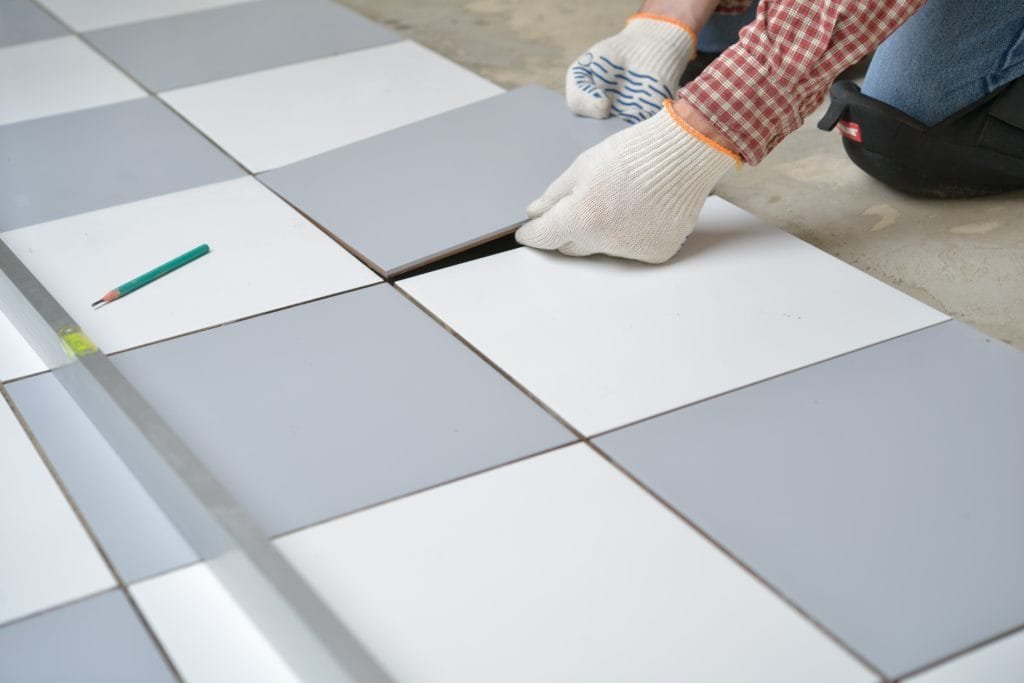
Why Removing Tiles Is Expensive and Messy
Removing existing floor tiles may seem like the proper first step before installing new flooring, but in Dubai it is often the most expensive and disruptive part of a renovation project. Tile demolition requires specialized tools, skilled labor, dust-control measures, and waste disposal services.
The process generates significant noise and debris, making it inconvenient for occupied homes, offices, and retail spaces. Workers must break tiles, remove adhesive residues, level the exposed subfloor, and transport heavy construction waste to approved disposal sites. In apartment buildings, additional restrictions may apply regarding working hours and elevator usage.
Tile removal can also reveal hidden issues such as cracked screeds, moisture problems, or uneven substrates that increase project costs. Because labor rates and disposal fees continue to rise, many property owners prefer flooring overlay systems whenever possible. Installing suitable flooring directly over old tiles can save time, reduce renovation expenses, and allow spaces to return to normal use much faster than a complete demolition project.
The 3mm Level Rule for Overlays
Successful flooring overlays depend heavily on the condition and flatness of the existing tiled surface. Professional installers often follow the 3mm level rule, which states that floor variations should not exceed approximately 3 millimeters over a two-meter span. Any deviation beyond this limit can create visible imperfections, uneven walking surfaces, and long-term flooring failures. Raised tile edges, cracked sections, or deep grout joints may telegraph through certain flooring materials over time.
Before installation, contractors typically inspect the floor using straightedges and laser leveling tools to identify problematic areas. Minor irregularities can often be corrected with leveling compounds or patching materials, while severe unevenness may require more extensive preparation. The 3mm guideline is especially important for rigid flooring systems such as SPC vinyl and laminate because these products rely on a stable, uniform base. Ignoring flatness standards can lead to joint separation, squeaking, plank movement, and premature wear that may eventually void manufacturer warranties and installation guarantees.
Priming: The Secret to Adhesion on Glossy Tiles
Many homeowners assume that new flooring materials will bond easily to old tiles, but glossy ceramic and porcelain surfaces present a unique challenge. Their smooth, non-porous finish limits the ability of adhesives and leveling compounds to grip effectively. This is where priming becomes essential.
Specialized bonding primers are designed to create a textured surface that improves adhesion between existing tiles and new flooring systems. Professional installers thoroughly clean and degrease the tiles before applying the primer to ensure maximum effectiveness. Once cured, the primer forms a secure interface that allows adhesives, self-leveling compounds, or overlay materials to bond properly.
Skipping this step can result in lifting, delamination, or movement over time. Priming is particularly important when installing glued luxury vinyl, leveling compounds, or other bonded flooring products. Although it adds a small amount to preparation costs, proper priming significantly increases installation durability and reduces the likelihood of costly repairs, making it one of the most important steps in any overlay project.
Best Overlay Options: SPC Click vs. Loose Lay Vinyl
When installing flooring over existing tiles, SPC click flooring and loose lay vinyl are widely considered the most practical overlay solutions. SPC flooring features a rigid stone-polymer composite core that bridges minor tile imperfections and provides excellent dimensional stability in Dubai’s climate.
Its click-lock installation system allows planks to float above the tiled surface with minimal preparation. Loose lay vinyl offers another attractive option, using its heavy backing and friction grip to remain stable without extensive adhesives. SPC flooring generally provides superior durability, water resistance, and resistance to temperature fluctuations, making it ideal for residential and commercial environments.
Loose lay vinyl excels in spaces where future flooring replacement may be desired because individual planks can be removed more easily. Both systems require relatively little demolition work compared to traditional renovations. The best choice depends on traffic levels, budget, and project goals, but both products perform significantly better as overlays than many traditional flooring materials when installed over well-prepared tile surfaces.
Worst Options: Thin Laminate That Shows Grout Lines
Not every flooring product performs well when installed directly over old tiles. Thin laminate flooring is often one of the poorest choices because it lacks the structural rigidity needed to conceal grout joints and tile patterns beneath the surface. Over time, the underlying grout lines may become visible, creating an uneven appearance known as telegraphing. This issue becomes more noticeable in areas with wide grout joints or significant tile texture. Thin laminate also tends to flex more under foot traffic, increasing stress on locking systems and accelerating wear. In Dubai’s climate, fluctuations in indoor temperature and humidity can further affect low-quality laminate products.
While underlays may help reduce minor imperfections, they cannot fully compensate for substantial surface irregularities. Property owners seeking long-term performance should avoid budget laminates designed for perfectly smooth subfloors. Instead, thicker SPC flooring, rigid-core vinyl, or engineered flooring systems generally provide superior results, better appearance retention, and greater resistance to visible imperfections caused by the tiled substrate.
Cutting Door Jambs vs. Undercutting
One of the most overlooked details during flooring overlay projects is how the new floor will interact with existing door frames and jambs. As floor height increases, installers must decide whether to cut the flooring around the jamb or undercut the jamb itself. Professional contractors almost always prefer undercutting because it creates a cleaner and more seamless finish.
Undercutting involves trimming the bottom portion of the door jamb so the flooring can slide underneath, eliminating visible gaps and improving aesthetics. Cutting the flooring around complex jamb shapes is more time-consuming and often produces less attractive results.
Undercutting also allows for proper expansion space while maintaining a professional appearance. Specialized jamb saws are commonly used to achieve accurate cuts without damaging surrounding finishes. Although the process requires precision, it significantly enhances the final look of the installation. In most overlay projects, undercutting is considered the industry-standard approach because it combines functionality, appearance, and long-term flooring performance.
Height Transition and Tripping Hazards
Adding new flooring over existing tiles inevitably increases floor height, making transition management a critical part of the installation process. Even a modest increase of 5 to 8 millimeters can create noticeable height differences at doorways, room entrances, and connections to other flooring types. If these transitions are not handled correctly, they can become tripping hazards that compromise safety and comfort. Professional installers typically use transition strips, reducer profiles, or threshold systems to create smooth changes between floor levels.
These accessories improve appearance while reducing the risk of accidents. Special attention is required near entrance doors, sliding doors, kitchens, and bathrooms where clearance may already be limited. Building managers and commercial property owners often prioritize transition safety to comply with accessibility standards and reduce liability risks. Proper planning before installation helps identify potential problem areas and ensures the new flooring integrates smoothly with surrounding surfaces without creating obstacles that affect daily movement throughout the space.
Is Subfloor Dampness an Issue Over Tiles?
Although ceramic and porcelain tiles provide a degree of moisture resistance, subfloor dampness can still pose challenges when installing flooring overlays. Moisture may originate from concrete slabs, plumbing leaks, inadequate waterproofing, or condensation issues beneath the tiled surface. Because the tiles conceal the substrate, moisture problems often remain hidden until flooring failures occur.
Excessive moisture can damage adhesives, promote mold growth, and reduce the lifespan of certain flooring materials. Before beginning any overlay project, professional contractors typically conduct moisture testing to verify that conditions are suitable for installation.
SPC flooring generally offers excellent moisture resistance, making it a preferred option in areas where minor moisture concerns exist. However, even waterproof flooring products can experience issues if significant moisture becomes trapped beneath them.
Addressing leaks, waterproofing deficiencies, and moisture sources before installation is essential. Proper moisture assessment ensures long-term performance and prevents expensive repairs that may arise when hidden dampness is ignored during the planning phase.
Which Flooring Brands Allow Overlays?
Many leading flooring manufacturers permit installation over existing tiles, provided specific preparation and flatness requirements are met. Brands specializing in SPC flooring, luxury vinyl tiles, and rigid-core products often approve overlay installations because their products are designed to tolerate minor substrate imperfections.
However, manufacturers typically require that tiles be securely bonded, structurally sound, and reasonably level before installation begins. Deep grout joints may need filling, while damaged tiles must be repaired or replaced. Warranty conditions frequently specify acceptable subfloor tolerances and moisture limits. Premium flooring brands generally provide detailed installation guides outlining approved overlay methods, recommended underlays, and preparation procedures.
Failure to follow these guidelines may void product warranties. Property owners should always review manufacturer instructions before selecting a flooring system. Consulting experienced installers familiar with brand-specific requirements can help avoid costly mistakes and ensure compliance with warranty standards. Proper preparation remains the key factor determining whether an overlay installation will deliver long-lasting performance and visual appeal.
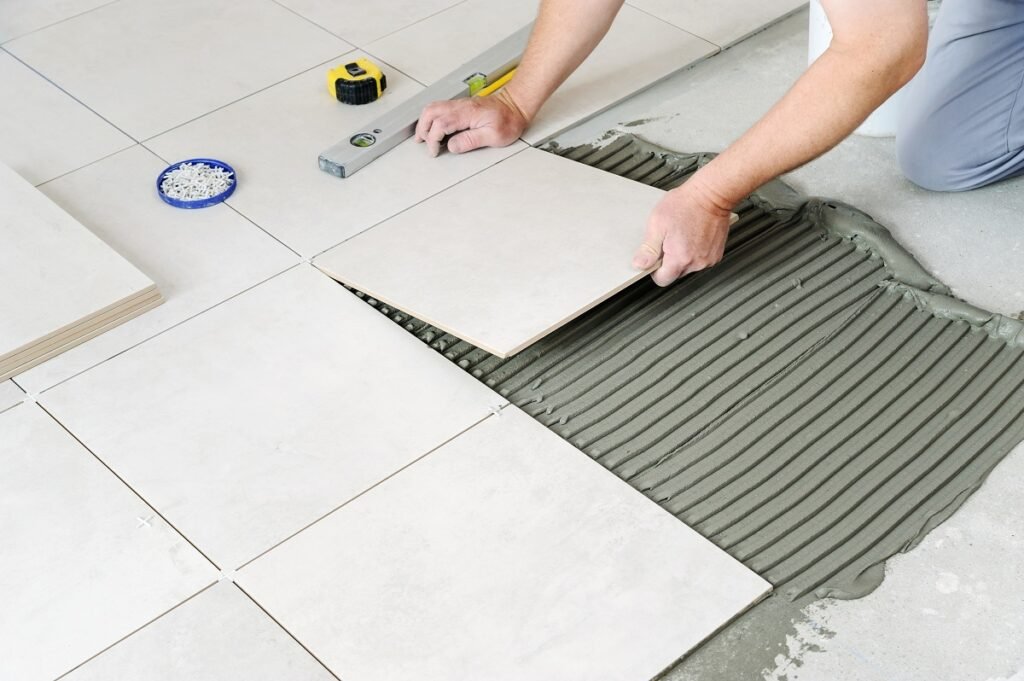
FAQ
Can I install engineered wood over ceramic tiles?
Yes, with a vapor barrier and plywood underlayment.
Will the new floor feel hollow over tiles?
Quality underlayment prevents hollow sounds.
What if the old tiles crack underneath?
The new floor may crack too; inspect for hollow tiles first.
Does overlay void my apartment insurance?
Unlikely, but check with your building management.
Can I use click vinyl over uneven tiles?
No, click systems require a very flat surface.
How much height does an overlay add?
Typically enough that doors may need trimming.
Can I install carpet directly over tiles?
Yes, it is one of the easiest overlays.
Is overlay always cheaper than tile removal?
Yes, overlay is significantly more cost-effective.
How to handle floor drains in a bathroom overlay?
You cannot overlay a wet-area drain; that area must be done separately.
