
If you are Interested to buy new and trendy carpets for home. There is a perfect option for you that is animal skin carpet which helps you to give new look to home. They add traditional, majestic and elegant look to home through its best quality material, design and colors. Today there is the largest selling brand who provide many types of animal carpets and gives priority to material. Always go for the best brands because they use the high-quality material to produce these carpets. They are most popular and available in latest and trendy designs that are unique and can be easily installed in different shapes making them look classier. When you want to purchase these carpets always go for good quality. In case, you do not find readymade you can customize these animal skin carpets as per you need for your place.
The animal skin carpet consists natural colors. People prefer these carpets because its quality is durable which never been spoil soon. But be sure, when you find them, should know the beneficial feature that is anti-bacterial and hygienic to make your environment healthy. These animal skin carpets are budget friendly and its highly practical designs satisfy you and meets all your requirements for a perfect interior.
Animal skin carpet looks stunning when placed on any room or living area as they are available in natural colors which are suitable for all type of furniture wherever you place them. This animal carpet consists of two types of designs, one of its type is made up of visible skin designs of animals and other is also made by animal skin in which designs are not shown which is called as hides. These hides are available in different types. For instance, zebra hides, lion hides, tiger hides, cow hides, sheep hides etc.
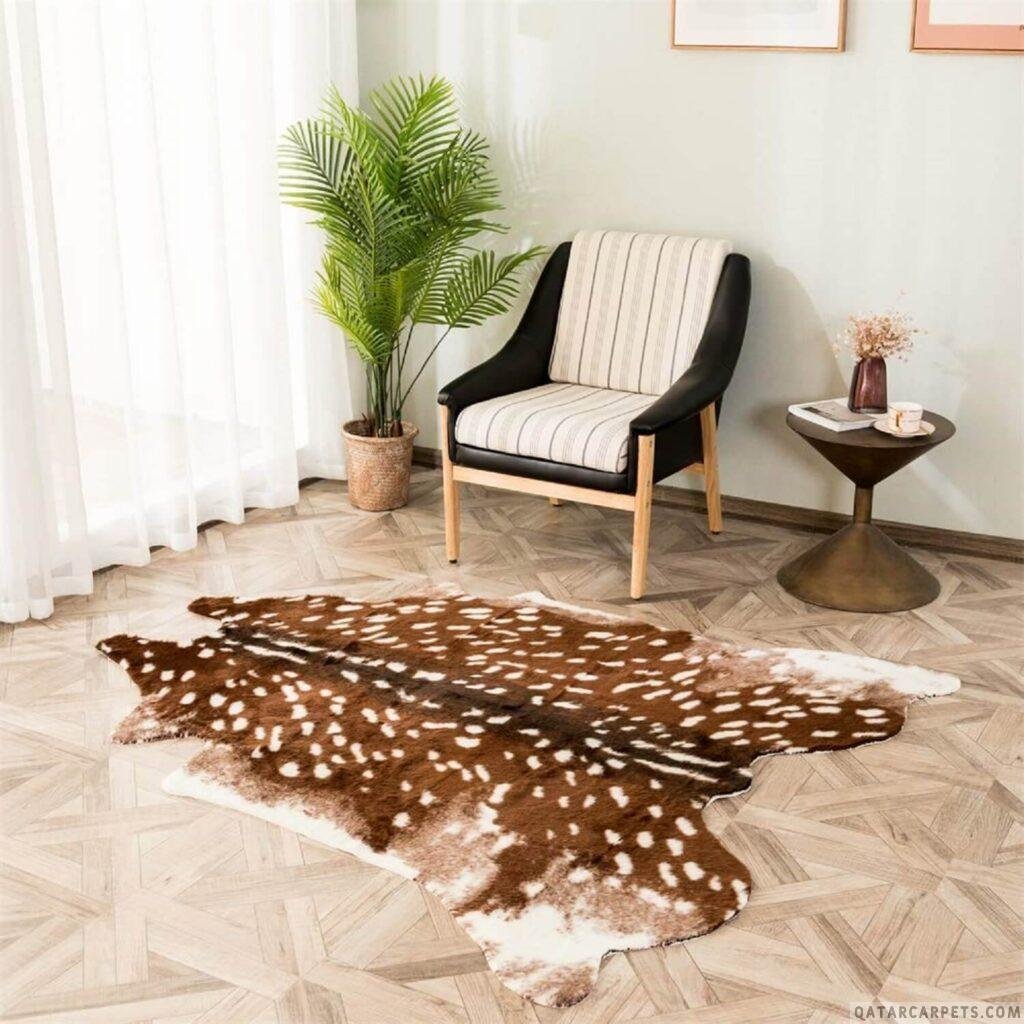
Popular Animal Skin Carpet Types for Dubai Interiors
Different animal skin carpets create distinct visual and tactile effects, so selection should depend on the room, traffic level, and desired interior style. Cowhide is a versatile option for living rooms, lounges, bedrooms, and offices because natural variations in its markings make every piece visually distinctive.
Sheepskin provides a softer, longer pile and is better suited to decorative or comfort-focused applications, while buffalo and goatskin can offer different levels of texture and visual character. For buyers specifically interested in cowhide, the cowhide rugs collection provides a more focused option. For a wider range of natural-hair and hide styles, animal skin carpets can be selected according to size, pattern, and intended use.
Natural, Exotic and Faux Animal Skin Carpet Options
Animal skin carpets can be grouped into natural hides, distinctive patterned hides, and synthetic alternatives. Cowhide remains one of the most common choices because its natural markings work well with both contemporary and traditional interiors, while sheepskin is valued primarily for its soft, plush texture.
More distinctive hides can be used as statement pieces, but buyers should verify the material’s origin and legal sourcing where applicable, particularly for exotic species. Faux animal skin carpets are another option for customers who want animal-inspired patterns without using natural hides. If the goal is simply to add texture and visual interest rather than use an animal-hide design, area rugs offer additional materials, shapes, and styles for Dubai homes and commercial interiors.
Crafting Process of Animal Skin Carpets
The crafting of animal skin carpets is a meticulous process that transforms raw animal hides into finished decorative pieces. This process involves several steps, including preparation, tanning, treatment, and final finishing, each critical to ensuring the carpet’s durability and aesthetic quality.
The first step begins with selecting high-quality hides. Only hides with minimal defects and consistent thickness are suitable for carpets. After selection, the hides undergo cleaning to remove any remaining flesh, fat, or hair. This preparation ensures the hide is ready for the tanning process, which is essential for preservation.
Tanning is a crucial stage in carpet crafting. It stabilizes the hide, making it resistant to decay, insect damage, and environmental changes. Traditional tanning uses natural agents such as vegetable tannins derived from tree bark, while modern techniques may involve chemical tanning for faster processing. The choice of tanning method can influence the hide’s texture, color, and flexibility.
After tanning, the hides are dried and sometimes softened through mechanical or manual methods. Softening ensures the carpet is supple and comfortable underfoot. Depending on the desired finish, additional treatments such as dyeing, bleaching, or oiling may be applied to enhance the hide’s appearance and durability.
The final crafting stage involves shaping, trimming, and stitching. Edges are carefully cut and sometimes bound to prevent fraying. For larger carpets composed of multiple hides, sewing ensures a seamless and visually appealing surface. Some craftsmen also add decorative elements or backing to provide stability and ease of use.
Quality control is integral throughout the crafting process. Each hide is inspected for imperfections, and the final product is assessed for uniformity, softness, and visual appeal. Only hides that meet these standards are sold as premium animal skin carpets.
Crafting animal skin carpets requires skill, experience, and attention to detail. The combination of traditional techniques and modern innovations ensures that the carpets are both aesthetically pleasing and durable, capable of enhancing any interior space. This process not only preserves the natural beauty of animal hides but also transforms them into timeless decorative pieces.
Aesthetic and Interior Design Uses
Animal skin carpets are widely appreciated for their aesthetic contribution to interior design. Their natural patterns, textures, and colors can transform a room, adding warmth, luxury, and visual interest. Designers often use these carpets to complement various styles, from contemporary and minimalist to rustic and traditional.
In modern interiors, animal skin rugs serve as focal points. Their irregular shapes and unique patterns break the uniformity of flooring and furniture, introducing an organic element to otherwise structured spaces. For example, a black-and-white cowhide rug can enhance a neutral-toned living room, creating contrast and depth. Similarly, a zebra skin rug can serve as a statement piece, drawing attention and setting the tone for the room’s design.
Rustic and farmhouse-style interiors benefit from the natural appeal of animal hides. The earthy tones and textures of cow, buffalo, or goat hides blend seamlessly with wooden furniture, exposed beams, and warm lighting. These carpets add authenticity and comfort, emphasizing a connection to nature and traditional craftsmanship.
Layering is another common design technique. Interior designers often place animal skin carpets over larger base rugs, such as wool or jute, to create texture and dimension. This layering technique not only enhances the visual appeal but also provides additional comfort and insulation.
Animal skin carpets are versatile in placement. They can be used in living rooms, bedrooms, offices, or even commercial spaces such as boutique hotels and lounges. In bedrooms, soft sheepskin rugs beside the bed offer warmth and tactile comfort. In offices or study areas, cowhide rugs add sophistication while defining distinct areas within open spaces.
Color and pattern coordination is essential in maximizing the aesthetic impact. Neutral-colored hides blend well with a variety of color schemes, while boldly patterned or exotic skins require careful placement to avoid overwhelming the room. Combining textures, such as leather, wood, and metal, with animal skin carpets enhances the layered, curated look that interior design seeks to achieve.
Overall, the aesthetic and interior design uses of animal skin carpets go beyond mere decoration. They embody a balance of art, nature, and functionality, enriching spaces with warmth, texture, and a sense of uniqueness that synthetic alternatives rarely replicate.
Benefits and Advantages of Animal Skin Carpets
Animal skin carpets offer numerous benefits that make them desirable for both practical and decorative purposes. Their combination of durability, comfort, and visual appeal sets them apart from other flooring options.
Durability is one of the primary advantages. Animal hides are naturally strong and resistant to wear, making them suitable for high-traffic areas. Unlike synthetic rugs that may fray or fade over time, well-maintained animal skin carpets can last for decades, retaining their texture and pattern.
Comfort is another key benefit. The natural softness of hides provides a plush surface underfoot, making spaces feel cozy and inviting. Sheepskin, in particular, offers exceptional warmth and softness, ideal for bedrooms and lounge areas.
Aesthetic appeal is perhaps the most celebrated advantage. Each hide is unique, featuring patterns, spots, or color variations that cannot be replicated. This uniqueness makes animal skin carpets ideal for adding a personal touch and luxury to interior spaces.
Additionally, these carpets have practical benefits. They are easy to clean, requiring simple vacuuming or spot cleaning, and they naturally resist dust and allergens better than some synthetic alternatives. Properly tanned hides are also less prone to retaining odors, enhancing indoor air quality.
From a sustainability perspective, when sourced responsibly, animal skin carpets can be environmentally friendly. Hides are often by-products of the meat industry, ensuring that every part of the animal is utilized. This reduces waste and promotes the efficient use of natural resources.
Finally, animal skin carpets provide versatility. They can be used as floor coverings, wall hangings, or furniture throws. Their adaptability across different interior styles—from modern to rustic—further enhances their appeal, making them a long-term investment for any home or commercial space.
Maintenance and Care Tips
Proper maintenance ensures that animal skin carpets remain beautiful and durable for years. Caring for these rugs involves cleaning, handling, and storage practices tailored to the natural characteristics of the hide.
Regular cleaning is essential. Vacuuming with a soft brush attachment removes dust and debris without damaging the hide. For spills, prompt blotting with a clean, dry cloth prevents staining. Avoid soaking the carpet or using harsh chemicals, as excessive moisture and abrasive cleaners can damage the leather fibers.
Protecting the carpet from direct sunlight and moisture is crucial. Prolonged exposure to sunlight can fade natural colors, while humidity may cause the hide to warp or develop mold. Placing the carpet in well-ventilated areas and using protective mats under heavy furniture helps maintain its shape and appearance.
Dealing with stains requires gentle care. Mild soap and water can be used for spot cleaning, followed by air drying. Avoid rubbing vigorously, which can damage the hair or leather. Specialized leather and hide conditioners may also be applied occasionally to restore suppleness.
Storage during long periods of non-use is equally important. Animal skin carpets should be rolled, not folded, and kept in a breathable fabric bag. Avoid plastic covers, which trap moisture and promote mold growth. Storing the rug in a cool, dry environment prevents deterioration.
Regular inspection for signs of damage, such as insect activity or hair loss, allows for early intervention. In some cases, professional cleaning or restoration may be necessary to maintain the carpet’s aesthetic and structural integrity.
By following these maintenance and care tips, owners can ensure their animal skin carpets retain their natural beauty, softness, and durability, offering long-lasting value and aesthetic appeal.
Ethical Considerations and Alternatives
The use of animal skins for carpets raises ethical and environmental questions. Many consumers are concerned about animal welfare, sustainability, and the environmental impact of sourcing hides. Responsible sourcing is therefore critical.
Ethical considerations include ensuring that hides come from animals legally raised and processed, often as by-products of the meat industry. Avoiding products from endangered or illegally hunted species is essential. Certifications and transparent supply chains help buyers make informed choices.
Alternatives such as high-quality faux animal skins provide a cruelty-free option. These synthetic rugs replicate the texture, pattern, and appearance of real hides without harming animals. Advances in manufacturing technology allow faux skins to look and feel remarkably similar to natural hides, offering a sustainable solution for eco-conscious consumers.
Sustainable practices, such as vegetable-tanned hides, also reduce the environmental footprint. Using natural tanning agents instead of chemicals minimizes pollution and creates a safer product for indoor use. Additionally, buying second-hand or vintage animal skin carpets supports recycling and reduces demand for new hides.
Balancing luxury with ethics is possible by combining responsible sourcing, alternative materials, and careful consumption. Consumers can enjoy the elegance and warmth of animal skin carpets while supporting humane and sustainable practices.
Ultimately, considering ethics and alternatives allows interior designers and homeowners to make informed decisions that reflect both personal taste and social responsibility. The choice of an animal skin carpet, whether natural or synthetic, can embody a commitment to beauty, comfort, and ethical living.
Conclusion
Animal skin carpets represent a unique blend of natural beauty, craftsmanship, and cultural heritage. From their historical origins as practical floor coverings to their modern role as luxurious decorative pieces, these rugs continue to captivate interior designers and homeowners alike. Each type of animal hide, whether cow, sheep, buffalo, or exotic species, offers distinctive textures, patterns, and colors, making every carpet a one-of-a-kind statement.
The crafting process, involving careful tanning, treatment, and finishing, ensures that these carpets are not only visually appealing but also durable and long-lasting. Their versatility in interior design allows them to complement a wide range of styles, from rustic and traditional to modern and minimalist. Beyond aesthetics, animal skin carpets provide comfort, warmth, and practical benefits such as easy maintenance and natural durability.
However, ethical and environmental considerations have become increasingly important. Responsible sourcing, sustainable tanning methods, and high-quality faux alternatives allow consumers to enjoy the elegance of animal skin carpets while supporting humane and eco-friendly practices. Proper care and maintenance further extend the life and beauty of these rugs, ensuring they remain cherished pieces for years to come.
In conclusion, animal skin carpets are more than just floor coverings—they are functional art, combining heritage, luxury, and natural elegance. Whether used to enhance a cozy living space, create a bold statement, or add a touch of sophistication, these carpets continue to be timeless additions to interiors worldwide. By appreciating their history, variety, and ethical considerations, one can fully enjoy the aesthetic and functional benefits of animal skin carpets while making responsible choices that respect both nature and design.
The most important frequently asked questions about Animal Skin Carpet
Q1: What is an animal skin carpet?
A: An animal skin carpet is a decorative floor covering made from a prepared natural animal hide, typically retaining its original hair, markings, shape, or texture.
Q2: What types of animal skin carpets are available?
A: Common options include cowhide and sheepskin, with buffalo, goatskin, and certain patterned hides also available. Faux animal-skin alternatives are available as well.
Q3: Are animal skin carpets suitable for homes in Dubai?
A: Yes. They can work well in Dubai living rooms, bedrooms, offices, and lounges when protected from excessive direct sunlight and maintained according to the hide’s material requirements.
Q4: Are cowhide carpets durable?
A: Quality cowhide can be durable for normal residential and moderate commercial use. Longevity depends on tanning quality, traffic, placement, and maintenance.
Q5: Are animal skin carpets easy to maintain?
A: Generally, yes, but natural hides should not be saturated with water. Regular gentle vacuuming and prompt treatment of spills are preferable, with professional cleaning when required by the material.
Q6: Can animal skin carpets fade in Dubai’s sunlight?
A: Yes. Prolonged direct sunlight can affect the color of natural hides, so positioning the carpet away from intense sun or using suitable window protection can help reduce fading.
Q7: Are animal skin carpets suitable for high-traffic areas?
A: Some durable hides, particularly well-processed cowhide, can handle moderate traffic. High-traffic placement should still be assessed based on the hide’s construction and surface condition.
Q8: Can I buy animal skin carpets in Dubai?
A: Yes. Dubai Flooring offers animal skin carpet options for residential and commercial interiors, with choices based on pattern, size, texture, and intended application. (Dubai Flooring)
Q9: Are faux animal skin carpets available as an alternative to natural hides?
A: Yes. Faux options reproduce animal-inspired patterns and textures without using natural animal hides, making them an alternative for customers with different material preferences.
Q10: How do I choose the right animal skin carpet for my room?
A: Consider the room size, furniture layout, traffic level, sunlight exposure, desired texture, hide quality, and maintenance requirements. Cowhide is versatile, while sheepskin is better suited to softer decorative applications.
