
Choosing the right flooring is one of the most influential decisions you can make for any interior space. Floors affect comfort underfoot, indoor air quality, acoustics, durability, and the overall look of a room. Whether you are updating a home, renovating an office, or planning a new build, understanding materials and performance characteristics helps you make smarter, longer-lasting choices.
Many people begin their research by browsing options at nearby flooring stores, where they can see textures, compare samples, and learn how different surfaces behave in real environments. However, stepping into a showroom without background knowledge can feel overwhelming. With so many products available, preparation is key.
This guide walks you through the essential information you should know before exploring flooring options, from materials and installation techniques to maintenance and environmental considerations.
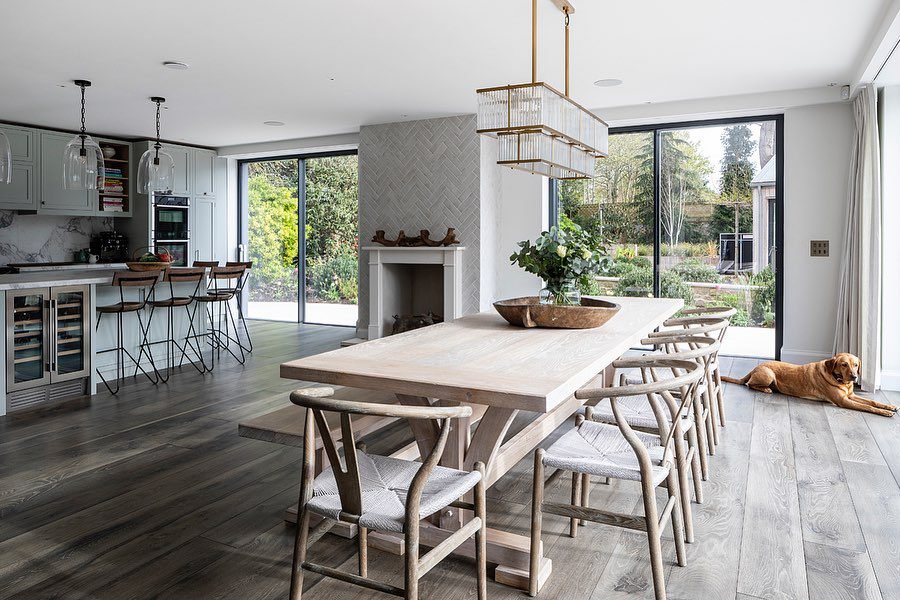
How different flooring materials influence durability, comfort, and maintenance needs
Every flooring material behaves differently under daily wear. Some prioritize resilience, while others focus on aesthetics or comfort.
Hard surfaces such as tile, stone, and certain synthetic composites are known for durability. They resist scratches and moisture but may feel colder or harder underfoot. Softer materials like cork, vinyl, and resilient sheets provide cushioning and noise reduction but may require extra care to prevent dents or tears.
Key performance differences include:
- Durability: Resistance to scratches, dents, and fading
- Comfort: Softness, warmth, and impact absorption
- Maintenance: Cleaning frequency and required products
- Longevity: How long the surface lasts before replacement
For example, resilient options such as linolium are valued for flexibility and comfort while still offering respectable durability. Understanding these trade-offs helps match the material to your lifestyle or operational needs.
Understanding how room usage affects the choice of residential and commercial floors
Not every room needs the same type of flooring. Usage patterns directly affect performance expectations.
High-traffic zones like hallways, kitchens, and commercial entrances demand tougher materials that can withstand constant footfall. Bedrooms or private offices may prioritize comfort and warmth instead.
Consider the following questions:
- How many people use the space daily?
- Will furniture be moved frequently?
- Is there exposure to water, spills, or dirt?
- Are pets or children present?
For instance:
- Kitchens and bathrooms: Moisture-resistant surfaces
- Living rooms: Comfortable and visually appealing materials
- Garages or workshops: High-impact, chemical-resistant floors
- Retail areas: Durable and easy-to-clean finishes
Matching material strength with room function prevents premature wear and costly replacements.
Comparing natural and synthetic surfaces for moisture resistance and longevity
Moisture is one of the biggest threats to flooring performance. Natural materials like wood can warp or swell when exposed to humidity, while many synthetic surfaces resist water more effectively.
Natural options often provide timeless beauty but may require sealing and careful maintenance. Synthetic alternatives are engineered to reduce moisture absorption and staining.
Comparison highlights:
Natural materials
- Warm, organic appearance
- May need refinishing
- Sensitive to humidity
Synthetic materials
- Often waterproof or water-resistant
- Lower maintenance
- Stable under temperature changes
If you live in humid climates or areas prone to spills, moisture-resistant materials typically offer better longevity. Choosing wisely reduces mold risks and structural damage beneath the floor.
Exploring installation methods and how they impact performance over time
Installation quality can make or break even the best material. Poor installation leads to gaps, lifting, or uneven wear.
Common methods include:
- Glue-down systems for strong adhesion
- Click-lock or floating floors for quicker installation
- Loose-lay options for temporary or flexible use
Each approach affects durability and repairability. Glue-down methods create a solid bond and minimize movement, while floating systems allow easier replacement of individual planks.
Professional installation may be beneficial for complex layouts or specialty products. Even minor leveling errors can shorten the life of the floor significantly.
Learning about eco-friendly materials and their environmental benefits
Sustainability is increasingly important in modern interiors. Eco-conscious flooring choices reduce environmental impact and improve indoor air quality.
Green materials often feature:
- Renewable resources
- Recyclable content
- Low emissions
- Reduced chemical use
Natural linoleum, cork, bamboo, and certain recycled composites fall into this category. They can contribute to healthier living spaces by minimizing volatile organic compounds (VOCs).
When researching options, look for certifications that indicate responsible sourcing and manufacturing. Environmentally friendly materials don’t necessarily sacrifice durability or style.
Evaluating wall and floor combinations to create cohesive interior design styles
Floors do not exist in isolation. They interact visually with walls, ceilings, and furniture. Coordinating finishes helps create a balanced, intentional design.
For example, pairing sleek floors with textured walls can add depth, while matching tones can create a seamless aesthetic. Modern interiors sometimes combine durable surfaces with contemporary wall treatments such as pvc panel wall systems for easy maintenance and visual consistency.
Design considerations include:
- Color harmony
- Texture contrast
- Light reflection
- Room size perception
Lighter floors can make spaces appear larger, while darker tones add warmth and sophistication. Planning these elements together ensures the final result feels cohesive rather than pieced together.
Common mistakes homeowners make when selecting surface finishes
Many flooring problems stem from rushed decisions. Avoiding common pitfalls can save time and money.
Frequent mistakes include:
- Choosing style over functionality
- Ignoring subfloor conditions
- Underestimating maintenance needs
- Skipping moisture testing
- Not accounting for expansion gaps
Another common issue is failing to request samples. Seeing a product in your own lighting conditions can reveal differences that aren’t noticeable in showrooms.
Taking time to research and test options helps prevent regret after installation.
Maintenance routines that extend the life of modern flooring solutions
Proper care dramatically extends flooring lifespan. Even the most durable surfaces benefit from regular maintenance.
General care tips:
- Sweep or vacuum daily to remove grit
- Use appropriate cleaners for the material
- Place mats at entrances
- Avoid dragging heavy furniture
- Clean spills promptly
For resilient or synthetic floors, mild detergents typically suffice. For natural materials, specialized treatments may be required to maintain finishes.
Establishing a consistent routine prevents scratches, discoloration, and buildup that can degrade appearance over time.
Conclusion
Preparing before visiting flooring showrooms or researching products gives you confidence and clarity. By understanding how materials differ, how spaces are used, and how installation and maintenance affect longevity, you can make informed decisions that align with both function and style.
Flooring is a long-term investment in comfort and performance. Thoughtful planning ensures that the surface beneath your feet remains reliable and visually appealing for years to come.
FAQs
What factors should I consider before selecting a floor type?
Evaluate durability, moisture resistance, comfort, maintenance requirements, and how the room is used daily.
Which flooring options are easiest to maintain at home?
Synthetic and resilient surfaces typically require simple sweeping and occasional mopping with mild cleaners.
How do moisture levels affect flooring performance?
Excess moisture can cause warping, swelling, or mold growth, especially in natural materials. Moisture-resistant products perform better in wet areas.
Are eco-friendly flooring materials durable enough?
Yes. Many sustainable options are engineered to be long-lasting while also reducing environmental impact.
Can wall finishes influence flooring choices?
Absolutely. Coordinating colors, textures, and materials between floors and walls helps create cohesive and balanced interiors.
