
PVC panels have become a staple in modern interior design due to their versatility, durability, and low-maintenance characteristics. From residential apartments to office spaces, PVC panels provide an efficient solution for creating visually appealing and functional interiors. Unlike traditional wall coverings, PVC panels combine aesthetic flexibility with practical benefits, making them a preferred choice for designers and homeowners alike.
This article dives into the reasons behind the growing popularity of PVC panels. We will explore their benefits, design considerations, installation techniques, comparisons with other materials, maintenance requirements, and environmental impact. By understanding these factors, you can make informed decisions when incorporating PVC panels into your modern living or working spaces.
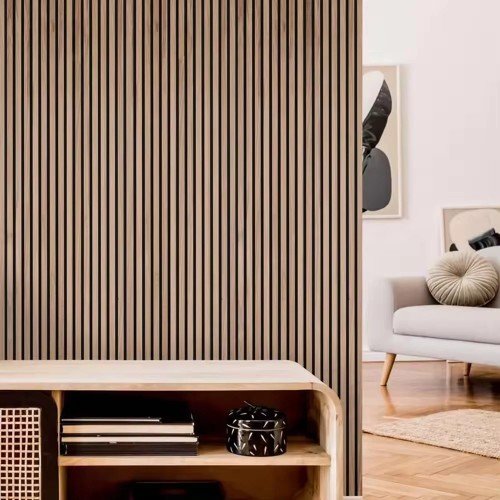
Using PVC panels strategically can transform interiors while maintaining functionality. For example, combining pvc panel walls with wood floors or floor parquet enhances both visual appeal and durability, creating cohesive and stylish environments.
The Benefits of PVC Panels Over Traditional Materials for Walls
PVC panels offer several advantages compared to paint, wallpaper, and wood cladding:
- Durability: PVC panels resist moisture, scratches, and impact damage, making them ideal for high-traffic areas and spaces prone to wear.
- Low Maintenance: Unlike paint that may chip or fade, or wallpaper that may peel, PVC panels require only simple cleaning with mild detergent and water.
- Moisture Resistance: Perfect for kitchens, bathrooms, and laundry areas where traditional materials can degrade quickly.
- Versatility: Available in a wide range of textures, patterns, and finishes, including designs that mimic natural materials like wood and stone.
- Ease of Installation: Panels can be mounted directly over smooth walls, reducing labor time and the need for extensive wall preparation.
Additionally, PVC panels are lightweight and durable, offering a long-lasting wall solution without compromising style. Incorporating them with floor parquet can create a harmonious balance between wall and floor finishes in both modern and classic interiors.
Key Design Considerations When Selecting PVC Panels
When choosing PVC panels for a modern space, several design factors should be considered:
- Color Scheme: Select panels that complement the room’s overall color palette. Light shades can make small spaces feel larger, while darker hues add depth and sophistication.
- Texture and Finish: Smooth panels suit minimalist designs, while textured or printed panels can create focal walls and visual interest.
- Pattern Orientation: Vertical patterns can make ceilings appear higher, while horizontal designs can elongate walls visually.
- Integration with Flooring: Ensure panels coordinate with the type of flooring, such as wood floors, for a cohesive design aesthetic.
- Functional Considerations: For areas requiring extra insulation or soundproofing, foam-backed panels can provide additional performance benefits.
Considering these aspects helps achieve a balance between style, functionality, and long-term usability in interior spaces.
How PVC Panels Enhance Durability and Reduce Maintenance Needs
PVC panels are inherently durable, making them suitable for both residential and commercial applications:
- Impact Resistance: Panels can withstand knocks and bumps, reducing the likelihood of visible damage in busy areas.
- Moisture and Stain Resistance: Unlike paint or wallpaper, PVC surfaces do not absorb water or stain easily, which simplifies cleaning routines.
- Long-Term Appearance: Panels maintain color vibrancy and surface integrity over years of use without frequent refurbishment.
- Hygienic Surfaces: Easy-to-clean surfaces minimize bacteria or mold growth, particularly in kitchens and bathrooms.
Routine maintenance is minimal. Wiping with a damp cloth is generally sufficient to remove dust and stains, ensuring that interiors remain clean and appealing with little effort.
Installation Techniques That Ensure Long-Lasting PVC Panel Performance
Proper installation is critical to achieving long-lasting performance from PVC panels. Key methods include:
- Adhesive Mounting:
- Directly sticks panels to smooth and clean walls.
- Ideal for smaller or simpler installations where a seamless look is desired.
- Mechanical Fixing:
- Uses screws, nails, or clips to secure panels.
- Provides extra stability in areas exposed to frequent impact or movement.
- Subframe Installation:
- Panels are attached to a wooden or metal framework.
- Offers additional insulation, soundproofing, and the ability to mount panels on uneven surfaces.
Before installation, walls should be cleaned, leveled, and free from moisture. Measuring and cutting panels precisely ensures a professional finish. Integrating pvc panel installation with floor parquet can create a unified and durable design scheme in both residential and office interiors.
Comparing PVC Panels with Wood Floors and Floor Parquet
While wood floors and floor parquet enhance interiors with natural warmth, PVC panels provide complementary wall finishes with practical benefits:
- Maintenance: PVC panels are easier to clean and maintain compared to wood surfaces, which may require polishing and protection against moisture.
- Cost Efficiency: Installing PVC panels over large wall areas is often more affordable than using wood cladding, especially in moisture-prone zones.
- Durability: PVC panels resist humidity and impact better than some wooden materials, making them ideal for bathrooms, kitchens, and laundry spaces.
- Design Flexibility: Panels offer a broader range of finishes, textures, and patterns than natural wood, allowing for more creative interior solutions.
Pairing PVC panels with wood floors can result in an interior design that harmonizes natural textures with durable wall finishes, enhancing both functionality and aesthetic appeal.
How to Maintain PVC Panels for Aesthetic and Functional Longevity
Maintaining PVC panels is straightforward, ensuring long-term durability and appearance:
- Regular Cleaning: Wipe panels with a soft cloth or sponge using mild detergent and water. Avoid harsh chemicals or abrasive pads.
- Avoid Heat Exposure: Keep panels away from direct heat sources such as stoves or radiators to prevent warping.
- Check for Damage: Inspect panels periodically for cracks, gaps, or loose edges. Prompt repair prevents further deterioration.
- Ventilation: Maintain proper airflow in rooms with high humidity to prevent condensation behind panels.
- Protect High-Traffic Areas: Use thicker panels or protective finishes in areas that experience frequent physical contact.
Routine maintenance preserves the aesthetic appeal and ensures that the pvc panel continues to function effectively for years.
Environmental and Sustainability Aspects of PVC Panels
Eco-conscious PVC panels are increasingly available, addressing sustainability concerns in interior design:
- Recycled Materials: Some panels are made from post-consumer recycled PVC, reducing environmental impact.
- Low-VOC Panels: Panels with low volatile organic compounds improve indoor air quality.
- Energy Efficiency: Foam-backed panels enhance insulation, reducing energy consumption for heating and cooling.
- Durable Design: Long-lasting panels reduce waste from replacements, contributing to environmental sustainability.
Integrating eco-friendly PVC panels with sustainable flooring options such as floor parquet or responsibly sourced wood floors creates interiors that are both stylish and environmentally responsible.
Conclusion
PVC panels offer an effective solution for modern interior spaces, combining aesthetic flexibility with durability and low maintenance. From design considerations to installation and sustainability, they provide numerous benefits over traditional wall materials. Proper planning, installation, and maintenance ensure that PVC panels remain a long-lasting, practical, and visually appealing choice for residential and commercial interiors alike. Whether paired with wood floors, floor parquet, or other complementary materials, PVC panels contribute to cohesive, functional, and stylish interiors that meet the demands of contemporary living and working spaces.
FAQs
What is PVC paneling and where is it commonly used?
PVC paneling is a type of plastic wall covering known for durability and moisture resistance. It is commonly used in bathrooms, kitchens, offices, and commercial spaces.
How do PVC panels compare with wood floors in durability?
PVC panels are highly resistant to moisture, scratches, and impact, often surpassing wood floors in high-humidity or high-traffic areas.
Can PVC panels be used in bathrooms or kitchens?
Yes, PVC panels are moisture-resistant and suitable for bathrooms, kitchens, and other humid areas.
What maintenance is required for PVC panels?
Maintenance is minimal; regular cleaning with mild soap and water is generally sufficient. Abrasive cleaners should be avoided.
Are there eco-friendly options for PVC panels?
Yes, recycled PVC panels and low-VOC panels are available, supporting sustainable and environmentally conscious interior design.
How do PVC panels affect indoor temperature and insulation?
Foam-backed or insulated PVC panels can improve thermal efficiency and provide soundproofing, enhancing comfort and reducing energy usage.
Can PVC panels be customized for design purposes?
Yes, panels come in various colors, textures, prints, and finishes, allowing creative customization for modern interiors.
Do PVC panels require professional installation?
While some panels can be installed by experienced DIYers, professional installation ensures correct alignment, longevity, and optimal performance.
Are PVC panels resistant to impact and scratches?
Yes, they are designed to withstand impacts, scratches, and everyday wear, making them suitable for both residential and commercial spaces.
Can PVC panels be combined with other flooring or wall finishes?
Absolutely. They pair well with materials like floor parquet and wood floors to create cohesive and aesthetically pleasing interiors.
