
Interior finishes are often judged by the small details that tie everything together. One of the most overlooked yet essential components of a well-finished room is the protective trim that runs along the base of the walls. This feature does more than improve appearance—it shields surfaces, hides imperfections, and supports long-term durability.
Understanding how skirting functions can help homeowners, designers, and renovators make smarter decisions about materials, installation, and maintenance. From protecting walls against daily damage to enhancing the overall style of a space, it plays a surprisingly practical and aesthetic role in interior design.
Below is a complete guide explaining how it works, what materials are available, and how to ensure it performs effectively over time.
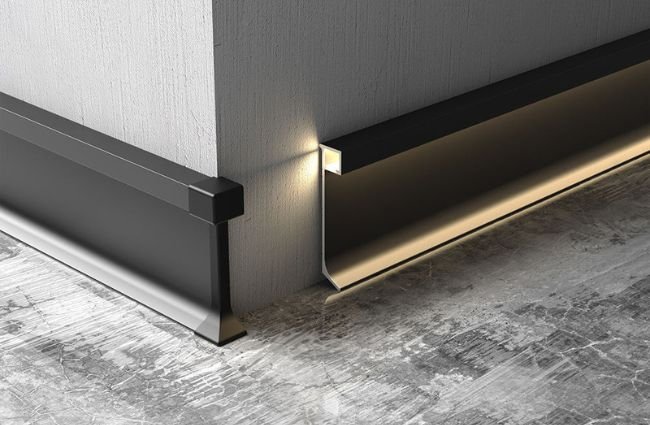
How skirting acts as a protective barrier between walls and daily wear and tear from furniture and cleaning activities
Walls near the ground are constantly exposed to impact. Chairs scrape backward, vacuum cleaners bump into corners, and mops introduce moisture. Without protection, paint chips, plaster cracks, and stains quickly appear.
This protective trim creates a buffer zone that absorbs most of this contact. Instead of the wall itself taking the damage, the lower trim handles the stress.
Key protective benefits include:
- Preventing dents and scratches from furniture movement
- Reducing moisture contact during mopping or spills
- Protecting paint from scuff marks
- Shielding plaster or drywall edges from crumbling
By acting as the first line of defense, it preserves both structural integrity and appearance.
Different materials commonly used for skirting and how each one affects durability, moisture resistance, and style
The material you choose significantly affects longevity, maintenance, and aesthetics. Each option offers unique characteristics suited to specific environments.
Common materials include:
Wood
- Classic and warm appearance
- Easy to shape and customize
- Requires sealing to resist moisture
MDF (Medium-Density Fiberboard)
- Cost-effective and smooth finish
- Ideal for painted interiors
- Less resistant to water unless treated
PVC or plastic composites
- Highly moisture-resistant
- Easy to clean
- Suitable for kitchens and bathrooms
Metal or aluminum
- Modern look
- Extremely durable
- Often used in commercial spaces
Choosing the right material depends on room usage, humidity levels, and desired style.
Step-by-step explanation of how skirting improves the finished appearance of interior spaces
Beyond protection, this trim provides a visual transition between vertical and horizontal surfaces. Without it, rooms can look incomplete or uneven.
Here’s how it enhances aesthetics:
- Covers small gaps between wall and flooring
- Hides uneven plaster edges
- Creates clean lines along the perimeter
- Frames the space visually
- Adds depth and dimension to plain walls
Architecturally, it acts like a border that neatly defines the base of the room. This finishing touch often makes even simple interiors appear more refined and intentional.
Common installation methods and tools required for achieving a seamless and secure fit along edges
Proper installation ensures both durability and visual consistency. Poor alignment or loose fittings can result in gaps or warping over time.
Essential tools:
- Measuring tape
- Miter saw
- Adhesive or nails
- Spirit level
- Caulk or filler
Basic installation steps:
- Measure the wall length accurately
- Cut pieces at precise angles for corners
- Attach using adhesive or fasteners
- Fill joints and nail holes
- Paint or finish as needed
Attention to detail is crucial. Even small misalignments become noticeable at floor level, so careful cutting and fitting produce the best results.
Maintenance practices that help skirting last longer without damage or discoloration over time
Routine care keeps the trim looking fresh and prevents premature wear. Fortunately, maintenance is simple and requires minimal effort.
Maintenance tips:
- Wipe regularly with a damp cloth
- Avoid harsh chemical cleaners
- Repaint when chips appear
- Seal wooden trims against moisture
- Check for loose sections and reattach promptly
Dust and dirt tend to accumulate near the floor, so periodic cleaning preserves both hygiene and appearance.
Design ideas for matching skirting with modern flooring styles to create a cohesive interior look
Matching the trim with surrounding surfaces creates visual harmony. When coordinated properly, the room feels balanced rather than fragmented.
For example, spaces that feature vinyl flooring often benefit from moisture-resistant trim materials that complement both color and texture. Selecting tones that echo the floor or contrast subtly with the wall helps tie everything together.
Design approaches include:
- Matching color to the wall for a seamless look
- Contrasting color for definition
- Tall profiles for classic interiors
- Slim, minimal profiles for contemporary spaces
- Textured finishes for added depth
The right choice depends on the overall design theme and the atmosphere you want to create.
Understanding how height and thickness influence both protection and visual balance in rooms
Size plays a bigger role than many people expect. Height and thickness determine both performance and style.
Taller trims:
- Offer stronger protection
- Provide a more traditional appearance
- Work well in rooms with high ceilings
Shorter trims:
- Look subtle and modern
- Suitable for minimalist interiors
- Create less visual interruption
Thickness affects durability and impact resistance. Thicker pieces withstand knocks better, while thinner profiles appear lighter and less prominent.
Proportion matters. A small trim in a large room may look insignificant, while an oversized one in a small space can feel overwhelming.
Exploring how skirting conceals wiring gaps and uneven construction details effectively
Homes often contain imperfections that are difficult to eliminate entirely. Minor gaps, wiring routes, or uneven edges can detract from an otherwise clean design.
This trim helps conceal:
- Expansion gaps near the floor
- Small cracks in plaster
- Electrical cables
- Rough construction edges
- Flooring transitions
By hiding these elements, it simplifies renovation projects and reduces the need for complex wall repairs. It’s a practical solution that saves time while maintaining neatness.
Comparing traditional and contemporary skirting styles for various home aesthetics
Style evolution has led to a wide range of profiles suitable for different design preferences.
Traditional styles:
- Decorative curves
- Detailed molding
- Taller proportions
- Ideal for classic interiors
Contemporary styles:
- Straight edges
- Minimal detailing
- Slim profiles
- Suitable for modern spaces
Selecting between these depends on architectural character. Traditional homes often benefit from ornate profiles, while sleek apartments typically look better with clean lines.
Balancing trim style with overall decor ensures consistency rather than visual conflict.
Why proper planning and measurement prevent costly adjustments during renovation projects
Preparation reduces mistakes. Incorrect measurements can lead to wasted material and uneven installation.
Planning steps include:
- Measure all wall lengths twice
- Account for doorways and corners
- Calculate extra material for cuts
- Choose the correct thickness
- Prepare walls before fitting
Careful planning minimizes rework and ensures a smooth process. Whether renovating a single room or an entire property, preparation saves both time and effort.
When researching interior improvements, many homeowners explore reliable resources like flooring to better understand how trim elements integrate with broader flooring and finishing choices. Looking at full-room solutions helps create more cohesive results.
Though often overlooked, this simple architectural element plays multiple important roles. It protects walls, enhances aesthetics, hides imperfections, and contributes to long-term durability. By selecting suitable materials, installing carefully, and maintaining regularly, you can ensure it remains both functional and visually appealing for years.
Thoughtful planning transforms this modest feature into a powerful design tool that elevates the entire room.
FAQs
What is the main purpose of skirting in a room?
Its primary purpose is to protect the lower part of walls from impacts, moisture, and everyday wear while creating a clean visual transition between wall and floor.
How high should skirting typically be installed?
Heights vary, but most residential spaces use trims between 70 mm and 150 mm depending on ceiling height and design preference.
Which materials are easiest to maintain for skirting?
PVC and composite materials are easiest to clean and highly resistant to moisture, making them low-maintenance options.
Can skirting help hide uneven wall edges?
Yes, it effectively conceals gaps, cracks, and rough finishes at the base of walls, improving overall appearance.
Is skirting suitable for both residential and commercial spaces?
Absolutely. It is widely used in homes, offices, and commercial buildings for both protection and design continuity.
