
PVC wall panels have become an increasingly popular choice for modern interior spaces, offering durability, versatility, and low maintenance. These panels provide a practical solution for areas that experience moisture, stains, or frequent impact, while also contributing to a clean and contemporary aesthetic. Understanding the materials, benefits, and installation methods of PVC panels can help homeowners and designers make informed decisions that balance functionality and style.
From kitchens and bathrooms to basements and commercial spaces, PVC wall panels address many challenges traditional wall finishes face. Learning about their structure, protective layers, and maintenance requirements ensures that walls remain attractive, safe, and long-lasting.
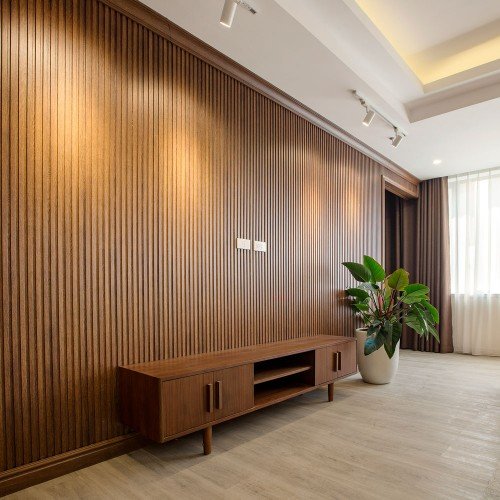
What Is a PVC Wall Panel and What Is It Made Of?
A PVC wall panel is an interior wall-covering product made primarily from polyvinyl chloride (PVC). Depending on the product, it may have a rigid or semi-rigid core with a printed or decorative surface designed to reproduce finishes such as stone, marble, wood, or tile. Some systems also include a protective surface layer that improves resistance to everyday stains, scuffs, and cleaning.
PVC wall panels are lightweight compared with many traditional wall finishes and can be fixed using adhesive, screws, or purpose-designed joining systems, depending on the panel construction and substrate. They are different from PVC flooring, which is specifically manufactured for floor loading and foot traffic, while vinyl flooring is another floor-covering category with its own construction and performance specifications.
How protective layers help resist stains, scratches, and everyday impacts
The protective surface of PVC panels is a key feature that makes them suitable for both residential and commercial applications. This layer shields the wall from common wear and tear, including spills, scuffs, and minor impacts. The benefits include:
- Scratch resistance: Maintains the surface’s smooth, polished look
- Stain resistance: Allows easy cleaning of liquids, grease, or other marks
- Impact tolerance: Reduces the appearance of dents and bumps
- Low maintenance: Minimal cleaning required to keep walls looking fresh
These properties are particularly useful in homes with children or pets, as well as in commercial settings like offices or restaurants where walls face frequent contact. Additionally, the protective layer helps maintain the panel’s color and finish for years without the need for frequent touch-ups.
PVC Wall Panels vs Paint, Wallpaper and Tile
PVC wall panels provide a different balance of installation speed, moisture resistance, appearance, and maintenance compared with paint, wallpaper, and ceramic tile. Unlike painted walls, panels can cover minor surface imperfections when the installation system permits it; unlike wallpaper, many PVC surfaces are easier to wipe after everyday spills and splashes.
They also avoid the grout maintenance associated with tiled walls, although joints and edges still need appropriate installation and sealing in moisture-prone areas. Their decorative surfaces can reproduce wood, stone, or tile effects without the weight and installation process of some traditional materials. For projects where the goal is to coordinate wall finishes with the floor, commercial vinyl flooring is a relevant option for offices, retail spaces, and other high-use interiors.
Are PVC Wall Panels Waterproof and Suitable for Wet Areas?
PVC wall panels are commonly selected for kitchens, bathrooms, utility areas, and other interiors where walls are exposed to splashes, condensation, or regular cleaning. Their relatively non-porous surface does not absorb water in the same way as porous wall finishes, making the panels easy to wipe and maintain. However, the panel itself should not be treated as a complete waterproofing system: joints, corners, penetrations, and the condition of the underlying wall must be properly prepared and sealed where required.
In Dubai, where air-conditioning creates frequent changes between outdoor heat and cooler indoor conditions, correct installation and adequate ventilation remain important for long-term performance. For moisture-resistant floor finishes used in the same spaces, PVC flooring solutions can provide a compatible surface, while vinyl tiles offer another low-maintenance flooring option.
Installation steps that simplify upgrades without major construction work
Installing PVC wall panels is generally faster and less disruptive than traditional wall finishes, and many systems are designed for DIY-friendly installation. Standard steps include:
- Prepare the wall: Clean, level, and ensure a smooth surface
- Measure and cut panels: Ensure precise fits around corners, openings, and edges
- Attach panels: Use click-lock systems, adhesives, or screws depending on the design
- Seal joints: Apply silicone or sealant to protect against moisture
- Finish edges: Install trims or molding for a polished appearance
Because the panels are lightweight and interlocking, they can often be installed without removing existing wall coverings, reducing labor, disruption, and cost. Proper alignment and sealing are essential to maximize moisture resistance and long-term performance.
Comparing thermal and acoustic insulation performance across materials
PVC wall panels offer supplementary thermal and acoustic benefits, though they are not replacements for dedicated insulation systems. The panels can contribute in the following ways:
- Thermal: Slightly improve heat retention and reduce drafts along walls
- Acoustic: Some multi-layered panels help dampen noise transmission between rooms
- Lightweight design: Adds minimal structural load while providing coverage
These properties make PVC panels suitable for bedrooms, home offices, or living areas where comfort and sound control are desirable. While not a substitute for insulation boards or soundproofing systems, they enhance the overall environmental performance of indoor spaces.
Maintenance practices that keep wall surfaces clean and long lasting
One of the major advantages of PVC panels is their low maintenance requirement. Proper care ensures longevity and preserves appearance:
- Regular wiping: Use a damp cloth or sponge with mild detergent
- Avoid abrasives: Prevent scratching the protective coating
- Check joints: Ensure seals remain intact to prevent moisture infiltration
- Prompt cleaning: Remove spills or stains quickly to avoid buildup
- Dusting: Maintains surface brightness and appearance
Unlike painted or wallpapered walls that may require periodic repainting or replacement, PVC panels retain their finish with minimal effort. Their smooth, non-porous surface makes cleaning quick and effective, even in high-use areas.
Environmental considerations and recyclability of synthetic cladding products
While PVC panels are synthetic, modern manufacturers are increasingly focusing on sustainability. Many panels incorporate recycled content, low-emission production methods, and designs intended for recycling at the end of their lifecycle.
Key environmental considerations include:
- Recyclability: Certain panels can be processed for reuse
- Low VOC emissions: Promote healthier indoor air quality
- Energy-efficient production: Reduces environmental footprint during manufacturing
Selecting panels with eco-friendly certifications ensures that you are making a responsible choice without compromising durability or performance.
Conclusion
PVC wall panels provide a practical, durable, and aesthetically versatile solution for modern interiors. Understanding their structure, protective features, and installation techniques allows for informed choices that enhance both functionality and design. From moisture resistance to supplementary thermal and acoustic benefits, these panels offer advantages that traditional wall finishes often cannot match.
When selected and installed properly, PVC wall panels can transform high-moisture or high-traffic areas into easy-to-maintain, visually appealing spaces. They are a long-lasting and intelligent choice for both residential and commercial interiors.
FAQs
Q1: What is a PVC wall panel?
A: A PVC wall panel is an interior wall-covering product made primarily from polyvinyl chloride. It is available in different colors, textures, patterns, and decorative finishes.
Q2: What are PVC wall panels used for?
A: They are commonly used for interior walls in bathrooms, kitchens, utility rooms, offices, retail spaces, and other areas where easy cleaning and moisture resistance are useful.
Q3: What is a PVC panel made of?
A: The main material is polyvinyl chloride (PVC). Depending on the product, panels may include a rigid core, decorative surface, protective coating, and joining or backing components.
Q4: Are PVC wall panels waterproof?
A: PVC itself has low water absorption, but the finished wall system is not automatically waterproof. Joints, edges, corners, penetrations, and the substrate must be correctly prepared and sealed where necessary.
Q5: Can PVC wall panels be used in bathrooms?
A: Yes. They are commonly used in bathrooms because their smooth surfaces are easy to clean and resist routine exposure to splashes and humidity when properly installed.
Q6: Are PVC wall panels better than tiles?
A: Neither is universally better. PVC panels can offer simpler cleaning and faster installation, while tiles may provide greater choice in formats and finishes and can be highly durable when correctly installed.
Q7: Can PVC wall panels be installed over existing walls?
A: In some installations, yes. The existing wall must be sufficiently sound, clean, dry, and suitable for the chosen fixing method. Uneven or damaged substrates may require preparation first.
Q8: Are PVC wall panels suitable for Dubai’s climate?
A: They can be suitable for Dubai interiors, particularly moisture-prone areas, but proper installation, joint sealing, substrate preparation, and ventilation are important for reliable long-term performance.
Q9: Are PVC wall panels easy to maintain?
A: Generally, yes. Most smooth PVC panel surfaces can be cleaned with a soft cloth or sponge and a suitable mild cleaner. Abrasive products should be avoided if they could damage the surface finish.
Q10: What is the difference between PVC wall panels and PVC flooring?
A: PVC wall panels are designed as wall coverings and are not intended to withstand normal floor traffic. PVC flooring is specifically manufactured for floor loading, wear, and foot traffic, so the two products should not be substituted for each other.
