
Parquet flooring is a timeless choice that adds elegance and sophistication to any home interior. Known for its intricate patterns and durability, parquet flooring has become increasingly popular among homeowners seeking both style and functionality. Unlike standard wooden flooring, parquet offers a unique visual appeal through its geometric designs, creating a sense of depth and artistry in living spaces.
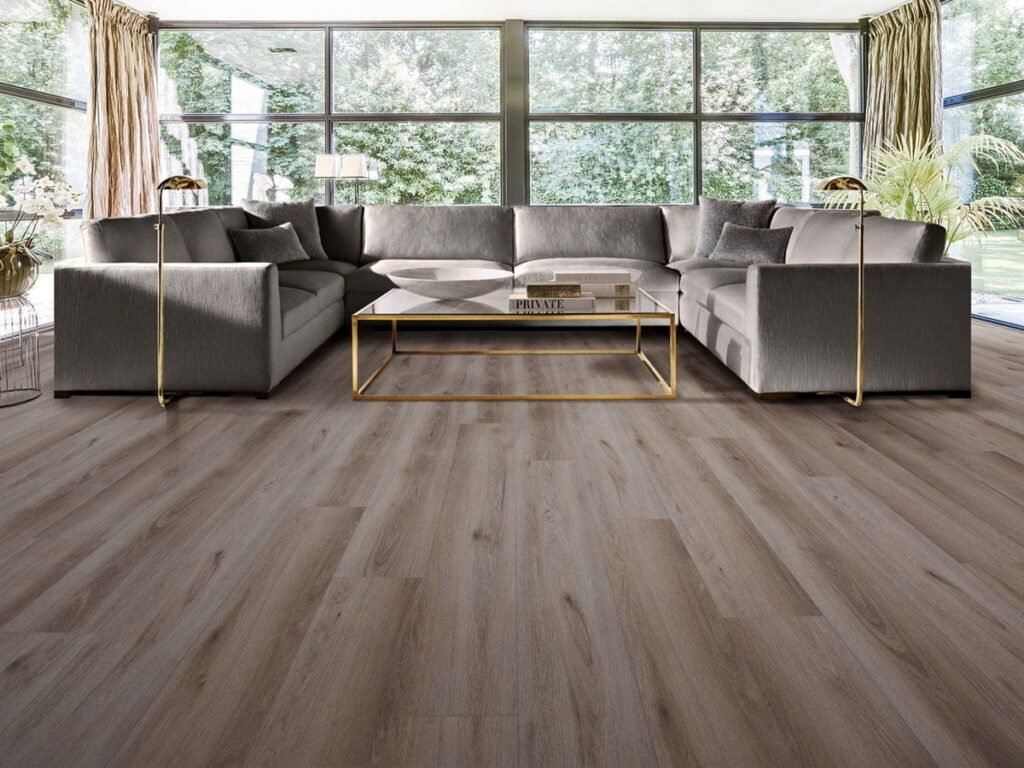
Beyond aesthetics, parquet flooring is a practical choice that withstands the daily wear and tear of a busy household. Its versatility allows it to complement a wide range of interior styles, from classic and traditional to modern and minimalist. In this article, we will explore the key advantages of parquet flooring, its installation methods, maintenance strategies, and how it compares to other flooring solutions such as epoxy floors.
Understanding the characteristics and benefits of parquet flooring enables homeowners to make informed decisions, ensuring the investment enhances both the beauty and functionality of their living spaces.
Understanding Parquet Flooring and Its Design Patterns
Parquet flooring is made by arranging small pieces of hardwood in intricate geometric patterns, creating a mosaic-like appearance. The most common patterns include herringbone, chevron, basket weave, and brick patterns. Each pattern can dramatically affect the room’s visual impact, creating either a sense of movement, symmetry, or texture.
The construction of parquet flooring generally involves two types:
- Solid Parquet Flooring – Made from a single piece of hardwood, it provides long-lasting durability and can be sanded and refinished multiple times.
- Engineered Parquet Flooring – Consists of multiple layers of wood with a hardwood veneer on top, offering enhanced stability and resistance to moisture.
Parquet’s versatility allows it to be used in various rooms, from living areas to bedrooms and even dining spaces. Its ability to combine functional durability with design aesthetics makes it a preferred choice for those seeking both beauty and performance in flooring.
Differences Between Parquet Flooring and Standard Wooden Flooring
While parquet flooring is a type of wood flooring, there are distinct differences compared to traditional plank-style wooden floors:
- Visual Appeal – Parquet flooring emphasizes patterns and artistry, whereas standard wooden flooring usually focuses on uniform plank arrangement.
- Installation Complexity – Parquet requires precise cutting and alignment of smaller pieces, making installation more intricate than standard wooden planks.
- Customization Options – The variety of patterns in parquet allows for more personalized interior design, unlike standard wooden floors that have limited visual variation.
- Durability Considerations – Both parquet and traditional wood floors are durable, but engineered parquet offers better dimensional stability in humid environments.
Understanding these differences helps homeowners choose the flooring type that best aligns with their design goals and lifestyle requirements. parquet flooring offers a visually striking alternative for those looking to elevate the interior aesthetics of their home.
How Parquet Flooring Improves Home Aesthetics and Value
Parquet flooring contributes significantly to a home’s visual appeal and can even enhance property value. Its intricate patterns add texture and sophistication to rooms, making spaces feel more luxurious and thoughtfully designed.
Some ways parquet flooring improves aesthetics include:
- Enhancing Natural Light Reflection – Certain wood finishes reflect natural light, brightening interiors and creating a warm ambiance.
- Complementing Interior Styles – Parquet flooring pairs well with both traditional and contemporary décor, providing versatility in design choices.
- Creating Visual Focal Points – Patterned floors can draw attention to key areas, such as entryways or living room centers, adding a decorative layer to the space.
Moreover, parquet flooring signals quality craftsmanship to potential buyers, potentially increasing resale value. Its combination of elegance and durability makes it a strategic choice for homeowners focused on long-term aesthetic and financial benefits.
Installation Techniques for Durable Parquet Flooring
Proper installation is crucial for parquet flooring to ensure longevity and maintain its visual appeal. The following steps outline the standard installation process:
- Subfloor Preparation – Ensure the subfloor is clean, dry, and level. Any imperfections should be addressed before installation.
- Acclimatization – Allow parquet tiles or planks to acclimate to the room’s temperature and humidity for at least 48 hours.
- Layout Planning – Mark a centerline and plan the pattern to maintain symmetry throughout the room.
- Adhesive Application – Apply a suitable wood adhesive evenly on the subfloor, ensuring strong bonding of parquet tiles.
- Placing Tiles – Carefully place each tile according to the chosen pattern, ensuring tight alignment and uniform spacing.
- Rolling and Pressing – Use a roller to press tiles firmly, removing air pockets and ensuring adhesion.
- Finishing – After drying, apply a protective finish or sealant to enhance durability and shine.
Following these steps ensures that parquet flooring is both visually stunning and structurally stable for years of use.
Caring for Parquet Flooring to Extend Its Lifespan
Maintaining parquet flooring involves routine care and preventative measures to preserve its beauty and function. Key maintenance practices include:
- Regular Cleaning – Sweep or vacuum frequently to remove dirt and debris that can scratch the surface.
- Damp Mopping – Use a lightly damp mop with a mild wood cleaner to maintain cleanliness without excess water.
- Preventing Scratches – Place felt pads under furniture legs and avoid dragging heavy items across the floor.
- Temperature and Humidity Control – Maintain consistent indoor conditions to prevent wood expansion or contraction.
- Periodic Refinishing – Solid parquet floors can be sanded and refinished to restore original beauty when worn.
Implementing these practices ensures that parquet flooring retains its aesthetic and functional qualities for decades, providing a long-term investment for the home.
Comparing Parquet Flooring with Epoxy Floor Solutions
While parquet flooring is ideal for residential interiors, epoxy floors are often considered for high-traffic or industrial spaces. Comparing the two highlights their distinct applications:
- Aesthetic Appeal – Parquet flooring offers natural wood beauty and intricate patterns, whereas epoxy floors are typically solid-colored and industrial in appearance.
- Durability – Both are durable, but epoxy is more resistant to chemicals, moisture, and impact, making it suitable for garages or commercial settings.
- Installation Complexity – Parquet installation is more intricate and time-consuming, whereas epoxy floors can be poured and leveled quickly.
- Maintenance – Epoxy is easy to clean but can chip over time; parquet requires careful cleaning but can be refinished if damaged.
Homeowners can consider epoxy floor for utility areas while using parquet in living spaces to combine functionality with elegance. This approach allows both durability and design harmony in different areas of the home.
Common Challenges When Maintaining Parquet Flooring
Despite its advantages, parquet flooring does require attention to avoid potential issues:
- Moisture Sensitivity – Excess water or high humidity can cause warping or separation of tiles.
- Scratches and Dents – High-traffic areas may show wear without protective measures.
- Sunlight Fading – Prolonged exposure to direct sunlight can fade the wood’s color.
- Gaps Between Tiles – Improper installation or seasonal expansion can create visible gaps.
- Refinishing Needs – Over time, parquet may require sanding and refinishing to restore its original appearance.
By anticipating these challenges, homeowners can implement preventive strategies and maintain the floor’s aesthetic and functional integrity over time.
Conclusion
Parquet flooring is a sophisticated and durable flooring option that enhances the beauty and functionality of any home. Its intricate patterns, variety of wood types, and installation flexibility allow homeowners to create unique and stylish interiors. With proper installation, care, and maintenance, parquet flooring can provide decades of elegance, complementing other design elements in the home.
Whether used in living rooms, bedrooms, or hallways, parquet flooring transforms spaces by combining artistry with practicality. By understanding its benefits, differences from standard wooden floors, and maintenance requirements, homeowners can make informed decisions that elevate the overall interior design. Pairing parquet flooring with complementary materials creates a cohesive and inviting environment while ensuring longevity and timeless appeal.
FAQs
- What is parquet flooring made of?
Parquet flooring is made of small pieces of hardwood arranged in geometric patterns, creating a decorative mosaic effect. Engineered parquet includes a hardwood veneer over a stable wood base. - How does parquet flooring differ from wooden flooring?
Parquet emphasizes patterned design using smaller pieces of wood, while standard wooden flooring typically consists of uniform planks with simpler installation and visual appearance. - Can parquet flooring be installed in bathrooms?
Solid wood parquet is generally not recommended for bathrooms due to moisture sensitivity. Engineered parquet with moisture-resistant properties can be used with proper precautions. - How do you clean and maintain parquet flooring?
Sweep or vacuum regularly, damp mop with a mild wood cleaner, and prevent scratches by using furniture pads. Maintain consistent indoor humidity and periodically refinish solid parquet floors. - Is parquet flooring suitable for high-traffic areas?
Yes, with proper maintenance, parquet flooring can withstand moderate to high traffic. Using protective finishes and furniture pads helps preserve its appearance. - Can parquet flooring be refinished if damaged?
Yes, solid parquet flooring can be sanded and refinished multiple times to restore its original look. Engineered parquet may have limited refinishing options depending on the veneer thickness. - How do parquet patterns affect room aesthetics?
Patterns like herringbone or chevron add depth, movement, and visual interest, enhancing the overall design and making rooms appear more sophisticated. - What tools are needed for parquet installation?
Essential tools include measuring tape, saw, adhesive, spacers, roller, and a protective finish for sealing and polishing the floor. - Can parquet flooring be combined with other flooring types?
Yes, parquet can complement wooden flooring in adjoining areas, creating seamless transitions and cohesive interior design. - How does parquet flooring compare to epoxy floors in residential spaces?
Parquet offers natural wood beauty and intricate design, while epoxy is more industrial, resistant to chemicals, and suitable for garages or utility areas. Combining both materials allows functional and aesthetic versatility.
