
Interior spaces often look complete only when every detail is thoughtfully finished, including the transition where walls meet floors. While paint colors, furniture, and flooring types usually get most of the attention, the edges around a room quietly play a major role in both appearance and durability. These finishing elements protect surfaces, hide gaps, and give a room a polished look.
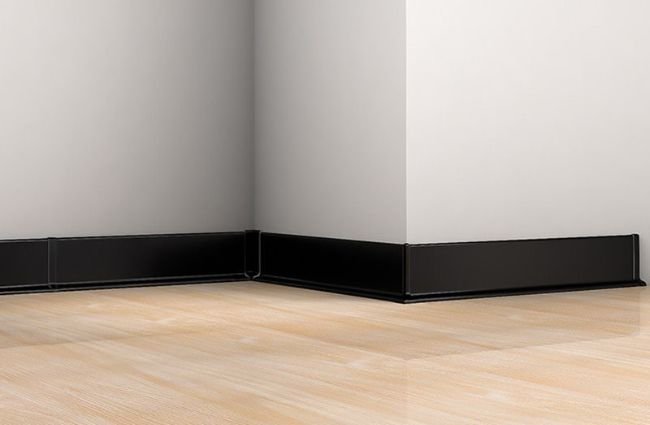
Many homeowners overlook the importance of perimeter trims until they notice scuffed walls, visible cracks, or uneven floor edges. Understanding how these components function helps you make smarter design and maintenance decisions. This guide explains their purpose, materials, installation basics, and long-term care so you can appreciate how much they contribute to interior performance and aesthetics.
Understanding the functional purpose of wall edges and protective trims in interior spaces
Wall-edge trims act as a transition between vertical and horizontal surfaces. Their main job is to protect the base of the wall while visually tying the room together. Without them, the seam where the wall meets the floor would look unfinished and be more vulnerable to damage.
These trims serve several functional roles:
- Shielding walls from kicks, vacuum cleaners, and furniture
- Covering uneven paint lines or plaster edges
- Concealing small construction gaps
- Improving overall room symmetry
They also contribute to design continuity. A carefully chosen profile can complement doors, windows, and moldings, making the entire interior feel cohesive rather than fragmented.
In many cases, these finishing pieces become the subtle element that elevates a room from basic to professionally completed.
How perimeter finishes help conceal expansion gaps and uneven floor edges
Floors naturally expand and contract with changes in temperature and humidity. Wood, laminate, and even resilient materials require small gaps around the edges to accommodate this movement. Without a covering, these gaps would remain visible and collect dust and debris.
Perimeter trims solve this issue by neatly hiding those spaces. They create a buffer that:
- Allows natural floor movement
- Prevents cracking or buckling
- Keeps dirt from accumulating
- Improves hygiene and cleanability
Uneven edges caused by imperfect cuts or irregular walls are also concealed. Instead of trying to achieve a flawless edge with flooring materials alone, installers rely on trim pieces to provide a clean finish.
When planning room design, many professionals coordinate these details alongside the main flooring selection to ensure both function and visual harmony.
Materials commonly used and how each impacts durability and appearance
The material you choose directly affects performance, longevity, and style. Different environments require different characteristics, especially in areas exposed to moisture or heavy traffic.
Common options include:
Wood
- Classic and timeless appearance
- Easy to paint or stain
- Ideal for living rooms and bedrooms
- Can warp in high humidity if untreated
MDF (Medium-Density Fiberboard)
- Smooth surface for painting
- Budget-friendly
- Stable in dry areas
- Less resistant to water exposure
PVC or plastic
- Moisture-resistant
- Lightweight and easy to clean
- Suitable for kitchens and bathrooms
- Limited natural texture compared to wood
Metal or aluminum
- Modern aesthetic
- Extremely durable
- Resistant to impact and moisture
- Often used in commercial spaces
Selecting the right material depends on climate, usage, and desired design style. For example, humid environments often benefit from synthetic or treated options rather than natural timber.
The role of moisture resistance and protection against daily wear and impact
Daily life exposes wall bases to more stress than most people realize. Shoes, mops, toys, and furniture legs constantly make contact with this area. Over time, paint chips and plaster dents can accumulate.
Moisture also presents challenges. Spills, cleaning water, and humidity can seep into untreated surfaces, leading to swelling or mold growth.
Quality perimeter trims:
- Act as a protective barrier
- Reduce wall maintenance costs
- Simplify cleaning routines
- Extend the lifespan of both walls and floors
In moisture-prone rooms, selecting resistant materials prevents long-term issues. This is particularly important when using surfaces such as linoleum, which may require careful edge sealing to maintain performance and hygiene.
By creating a buffer between wet areas and wall materials, trims help maintain structural integrity over time.
Design styles and profiles that complement classic and modern interiors
Beyond functionality, these finishing pieces influence a room’s character. The shape and height of the profile can subtly change how large or elegant a space feels.
Popular style choices include:
- Slim, flat designs for minimalist interiors
- Tall, decorative profiles for traditional or heritage homes
- Curved or beveled edges for softer transitions
- Shadow-gap styles for contemporary architectural looks
Color also plays an important role. Some homeowners match trims to the wall for a seamless appearance, while others choose contrasting shades to highlight architectural details.
Designers often recommend considering:
- Ceiling height
- Door frame style
- Furniture proportions
- Overall theme
The right combination helps the room feel intentional rather than improvised.
Step-by-step explanation of measuring, cutting, and fitting processes
Proper installation ensures durability and a professional finish. While the process can vary slightly depending on material, the general method remains consistent.
Step-by-step guide
- Measure the perimeter
Use a tape measure to determine the total wall length, accounting for corners and doorways. - Cut sections accurately
Use a miter saw to create clean 45-degree cuts for internal and external corners. - Prepare the surface
Ensure walls and floors are clean, dry, and level. - Position the pieces
Test-fit each section before fastening to confirm alignment. - Secure in place
Use nails, screws, or adhesive depending on the material. - Seal gaps and finish
Apply filler or caulk, then paint or stain if necessary.
Taking time with measurements reduces waste and improves the final appearance. Even small misalignments can become noticeable over long stretches of wall.
Maintenance practices to keep wall trims clean and damage free over time
Regular care extends the lifespan of these components and keeps interiors looking fresh. Fortunately, maintenance is straightforward.
Simple maintenance tips
- Wipe surfaces weekly with a damp cloth
- Avoid abrasive cleaners that scratch finishes
- Check for loose sections periodically
- Repaint or touch up chips promptly
- Replace damaged areas before moisture spreads
In busy households, frequent cleaning prevents dust buildup in corners and edges. Small preventative steps reduce the need for costly repairs later.
Durable trims require minimal effort but deliver long-lasting protection when properly maintained.
Comparing integration with tile, wood, and resilient surface types
Different floor materials interact with perimeter finishes in unique ways. Planning integration carefully avoids functional or aesthetic issues.
Tile floors
- Require precise alignment
- Often paired with moisture-resistant trims
- Grout lines must be considered
Wood or laminate
- Need expansion gaps
- Benefit greatly from concealed edges
- May require color-matched finishes
Resilient surfaces
- Flexible and easy to trim
- Often installed with seamless edges
- Pair well with synthetic materials
When designing spaces that use skirting boards, compatibility with the chosen surface ensures both performance and appearance. The right pairing prevents cracking, lifting, or visible joints.
Considering these interactions early simplifies installation and improves the overall finish.
Wall-edge trims may seem like a minor detail, but they serve an essential role in protecting walls, concealing imperfections, and completing interior design. From material choices to installation methods, every decision influences durability and visual harmony. By understanding their purpose and maintenance needs, you can create spaces that remain attractive and resilient for years to come.
FAQs
What purpose do wall edge trims serve in interior design?
They protect the base of walls, conceal gaps, and create a clean visual transition between floors and walls.
How do they protect walls from furniture and foot traffic?
They absorb impacts and prevent direct contact between walls and everyday objects like chairs, vacuums, and shoes.
Which materials last the longest in humid climates?
PVC, treated composites, and moisture-resistant synthetics typically perform better than untreated wood.
Can they be installed after the floor is already finished?
Yes, they are commonly added after flooring installation to cover expansion gaps and create a neat finish.
How often should they be cleaned or repainted?
Light cleaning can be done weekly, while repainting or touch-ups are usually needed only when visible wear appears.
