
Selecting the right wall panels and flooring is essential for creating a functional, visually appealing, and comfortable living space. Modern interiors demand materials that balance aesthetics, durability, and ease of maintenance. Among the available options, wall panel PVC, wood floor, and lino flooring stand out for their versatility and practicality. Each material has unique characteristics that influence design choices, installation, and long-term performance.
Understanding these materials in depth helps homeowners make informed decisions for different rooms, whether for living areas, kitchens, bathrooms, or commercial spaces. Wall panel PVC offers a sleek and durable wall solution, while flooring choices like wood and linoleum add warmth, texture, and functionality. By exploring the advantages, installation methods, and maintenance tips for these materials, this guide aims to provide comprehensive insights into home interior planning.
We’ll also look at how combining wall panel PVC with various flooring types can improve comfort, aesthetics, and long-term durability. By the end of this article, you will have actionable knowledge to make thoughtful choices for your home’s interior.
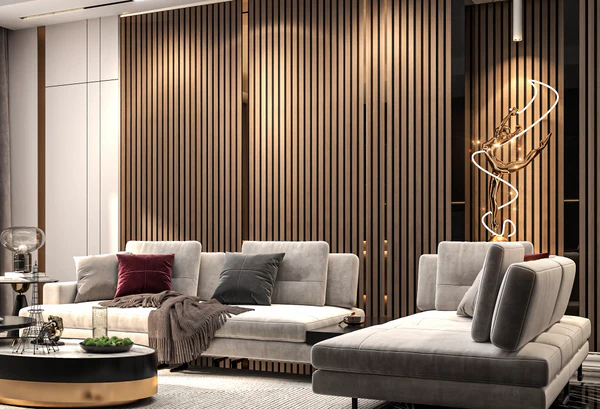
Introduction to Wall Panel PVC and Its Common Applications
Wall panel PVC is a lightweight, durable, and moisture-resistant material widely used for covering interior walls. Made from polyvinyl chloride, these panels are designed to withstand humidity, impact, and everyday wear, making them ideal for a variety of environments. Common applications include:
- Bathrooms and Kitchens: Moisture resistance prevents warping, mold, and mildew.
- Commercial Spaces: Offices, hospitals, and restaurants benefit from hygienic and easy-to-clean surfaces.
- Accent Walls: PVC panels are available in different textures and colors, creating decorative wall features without heavy construction.
- Basements and Utility Rooms: Resistant to damp conditions, PVC panels maintain appearance in challenging environments.
The flexibility of wall panel PVC allows it to adapt to curved or uneven surfaces, and it can be installed over existing walls without extensive preparation. This makes it a convenient and practical solution for both renovations and new constructions. Using wall panel pvc can enhance aesthetics while offering long-term durability.
How Wall Panel PVC Compares to Other Wall Covering Options
Compared to traditional materials like wood, plaster, or tile, wall panel PVC offers several distinct advantages:
- Moisture Resistance: Unlike wood, PVC does not absorb water or swell in humid conditions.
- Low Maintenance: A simple wipe with a damp cloth is usually sufficient, whereas wood may require polishing or resealing.
- Durability: PVC panels are impact-resistant and less prone to cracking compared to plaster or drywall.
- Installation Ease: Interlocking designs and adhesive options allow faster installation than ceramic tiles or wooden panels.
- Design Variety: PVC panels can mimic the appearance of natural materials, offering aesthetic flexibility without the cost and maintenance challenges.
While traditional wall coverings have their charm, PVC provides a practical and contemporary alternative that balances style and convenience. Its combination of visual appeal and functional benefits makes it suitable for almost any interior space.
Tips for Selecting the Right Wall Panel PVC for Your Room
Choosing the appropriate wall panel PVC depends on several factors:
- Room Environment: Bathrooms, kitchens, and basements require moisture-resistant panels.
- Aesthetic Goals: Consider textures, colors, and patterns to match existing furniture and décor.
- Panel Thickness: Thicker panels offer better durability, insulation, and sound absorption.
- Installation Type: Decide between adhesive, interlocking, or framed installations based on wall surface and skill level.
- Maintenance Needs: Some panels are easier to clean than others; high-gloss finishes may show smudges more readily.
Evaluating these criteria helps ensure the selected panels meet both practical and aesthetic requirements. Combining these panels with complementary materials can also create a cohesive interior design.
Step-by-Step Guide to Installing Wall Panel PVC Safely
Installing wall panel PVC is straightforward when proper preparation and procedures are followed:
- Surface Preparation: Clean, dry, and smooth the wall surface. Remove old wallpaper, paint, or debris.
- Measurement and Planning: Measure the wall and mark the layout to minimize visible seams.
- Cutting Panels: Use a fine-tooth saw or utility knife to cut panels to the correct size.
- Adhesive Application: Apply adhesive evenly to the back of each panel.
- Positioning Panels: Press the panel against the wall, starting from one corner. Use a level to ensure proper alignment.
- Joining Panels: For interlocking designs, connect edges carefully to create a seamless appearance.
- Finishing Touches: Install corner trims, edge strips, or moldings for a polished look.
Following these steps helps achieve a professional finish and prolongs the life of the wall panels.
Advantages of Combining Wall Panel PVC with Various Floor Types
Integrating wall panel PVC with different flooring options enhances the overall functionality and design of a room. The advantages include:
- Aesthetic Harmony: Coordinating wall panels with flooring types such as wood or linoleum creates a balanced and cohesive interior.
- Durability: PVC panels protect walls from moisture, while durable flooring materials withstand foot traffic and daily wear.
- Ease of Maintenance: Both PVC walls and selected floors can be cleaned efficiently, reducing long-term upkeep efforts.
- Improved Comfort: Using insulating flooring materials with wall panel PVC enhances room temperature regulation and comfort.
This combination allows homeowners to design spaces that are not only visually appealing but also functional and easy to maintain.
Understanding Different Flooring Materials: Wood vs. Lino Flooring
Choosing the right flooring complements wall panel PVC and impacts the overall interior experience. Here’s a comparison of wood floor and lino flooring:
Wood Floor:
- Natural Appearance: Provides warmth, elegance, and timeless appeal.
- Durability: High-quality hardwood floors can last decades with proper care.
- Comfort: Offers natural insulation and a softer underfoot experience.
- Maintenance: Requires periodic polishing, cleaning, and protection against moisture.
Lino Flooring:
- Water Resistance: Linoleum is highly resistant to moisture, making it ideal for kitchens and bathrooms.
- Eco-Friendly Options: Many lino floors are made from natural, biodegradable materials.
- Variety of Patterns: Available in a wide range of colors and designs to match modern interiors.
- Ease of Cleaning: Simple maintenance with regular sweeping and mopping.
By understanding the strengths of each flooring type, homeowners can make informed choices that complement their wall panel PVC and overall interior design.
Maintenance Techniques for Wood Floor and Lino Flooring
Proper care ensures the longevity and appearance of both wood and linoleum flooring:
Wood Floor Maintenance:
- Sweep or vacuum regularly to remove dirt and debris.
- Use a damp mop with wood-friendly cleaners; avoid excessive water.
- Apply protective finishes periodically to maintain shine and durability.
- Use rugs in high-traffic areas to prevent scratches.
Lino Flooring Maintenance:
- Sweep or vacuum daily to prevent dirt accumulation.
- Mop with mild soap or linoleum-specific cleaners.
- Avoid harsh chemicals that could damage the surface.
- Ensure proper humidity control to prevent expansion or contraction.
Regular maintenance of both flooring types ensures they remain attractive and functional for many years, complementing the durability of wood floor and lino flooring.
How Flooring Choices Impact Home Comfort and Design
The selection of flooring significantly affects the comfort, functionality, and visual appeal of a home:
- Thermal Comfort: Wood floors provide natural insulation, while linoleum offers cooler surfaces suitable for warm climates.
- Acoustic Properties: Flooring materials influence sound absorption; wood floors can be paired with rugs to reduce noise.
- Visual Cohesion: Coordinating floor color, pattern, and texture with wall panels enhances the interior design’s overall harmony.
- Durability and Functionality: Choosing the right material for high-traffic areas ensures longevity and reduces repair or replacement needs.
Considering these factors during the design and material selection process leads to interiors that are comfortable, visually pleasing, and functional for everyday living.
Conclusion
Selecting the right wall panels and flooring is key to creating a harmonious and durable home interior. Wall panel PVC offers moisture resistance, durability, and design flexibility, while wood and lino flooring provide warmth, comfort, and functionality. Understanding their features, installation techniques, and maintenance requirements ensures that each material performs optimally in different spaces.
By thoughtfully combining wall panel PVC with complementary flooring options, homeowners can achieve a balanced, aesthetically pleasing, and practical interior that meets modern living standards. Careful planning and informed choices lead to spaces that remain beautiful and functional for years to come.
Incorporating these insights into your home design helps create interiors that are visually cohesive, comfortable, and easy to maintain while taking advantage of the unique benefits of wall panel pvc, wood floor, and lino flooring.
FAQs
What is wall panel PVC used for?
Wall panel PVC is used for covering interior walls, offering moisture resistance, durability, and a variety of decorative finishes for residential and commercial spaces.
How do wall panel PVC panels differ from standard cladding?
PVC panels are lightweight, waterproof, and easier to maintain compared to traditional cladding materials like wood or plaster. They also offer a wider range of design options.
Can wall panel PVC be installed over existing walls?
Yes, wall panel PVC can be installed over smooth, clean, and stable surfaces such as painted or plastered walls. Proper preparation ensures long-lasting adhesion.
What are the benefits of wood floor compared to lino flooring?
Wood floors provide a warm, natural aesthetic, excellent insulation, and long-term durability. Lino flooring, on the other hand, is highly moisture-resistant, eco-friendly, and easier to maintain.
How do I maintain lino flooring to last longer?
Regular sweeping or vacuuming, mopping with mild soap, and avoiding harsh chemicals help maintain lino flooring. Proper humidity control also prevents expansion or contraction.
Are wall panel PVC and different flooring materials compatible?
Yes, wall panel PVC can be combined with various flooring options like wood or linoleum, creating a cohesive and functional interior design.
Can wall panel PVC be used in high-moisture areas?
Absolutely. Its water-resistant properties make it ideal for bathrooms, kitchens, and basements where moisture is a concern.
Is professional installation necessary for wall panel PVC?
While DIY installation is possible due to interlocking designs, professional installation ensures precise alignment, secure adhesion, and a polished finish.
Do wall panel PVC panels require frequent maintenance?
No, they require minimal maintenance. Regular cleaning with a damp cloth is usually sufficient to keep them looking new.
Can wall panel PVC enhance the overall aesthetics of a room?
Yes, available in various textures, colors, and patterns, wall panel PVC can serve as a decorative feature while also providing functional benefits.
How long do wall panel PVC panels typically last?
With proper installation and maintenance, wall panel PVC can last 15–20 years, maintaining both appearance and performance.
Can wall panel PVC panels be painted or customized?
Yes, panels can be painted with suitable plastic-compatible paints, and they are available in a wide range of designs to match interior décor.
Are wall panel PVC panels environmentally friendly?
Many panels are recyclable and produce less waste during installation, and they can contribute to energy efficiency due to their insulating properties.
Do wall panel PVC panels help with sound insulation?
They offer some minor sound absorption, reducing echoes and improving acoustic comfort in living spaces, though they are not a replacement for dedicated acoustic treatments.
Can wall panel PVC panels be used in commercial spaces?
Yes, their durability, hygiene, and low maintenance make them suitable for offices, restaurants, hospitals, and other commercial environments.
