
Choosing the right wall covering can dramatically influence the look, feel, and functionality of any interior space. Wall PVC panels have emerged as a popular solution for homeowners, designers, and contractors who seek a combination of durability, aesthetics, and low maintenance. Unlike traditional paint or wallpaper, PVC panels provide a robust and versatile option that can adapt to various interior design styles.
This article explores everything you need to know about selecting the ideal wall PVC panel, including types, installation techniques, maintenance tips, and how they compare to other wall solutions. By the end, you will have a comprehensive understanding of how to make an informed decision for your interior projects.
Wall PVC panels are particularly suitable for spaces where durability and moisture resistance are important, such as kitchens, bathrooms, and commercial areas. Their lightweight design allows for easier handling, while a variety of finishes ensures that both contemporary and classic interior styles can be accommodated. For homeowners looking to combine style and practicality, incorporating wall pvc panel solutions into interior design can be a transformative choice.
Understanding the Different Types of Wall PVC Panels and Their Benefits
Wall PVC panels come in multiple varieties, each suited to different functional and aesthetic requirements. The main types include:
- Smooth PVC Panels: Offer a clean and minimalistic appearance, ideal for modern interiors. They are easy to clean and require minimal maintenance.
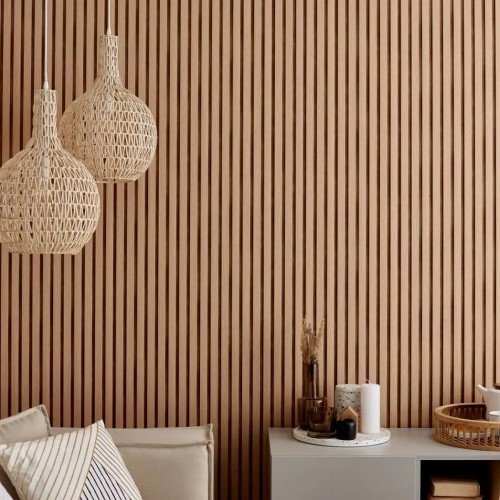
- Textured PVC Panels: Mimic natural materials like stone or wood, adding depth and character to walls. They are perfect for accent walls and areas that require a more decorative touch.
- Printed PVC Panels: Feature pre-applied designs, patterns, or graphics. These are ideal for creative interiors, children’s rooms, or commercial spaces seeking a distinctive visual identity.
- Foam-backed PVC Panels: Provide additional insulation and soundproofing benefits, making them suitable for residential and office spaces where comfort is a priority.
The benefits of wall PVC panels extend beyond aesthetics. They are resistant to moisture, termites, and corrosion. Additionally, they can help in improving thermal and acoustic insulation when installed correctly. For example, pairing wood flooring with textured or foam-backed PVC panels can create a harmonious interior that balances warmth, durability, and visual appeal.
How Wall PVC Panels Compare to Traditional Wall Coverings
When considering wall coverings, it’s essential to weigh the advantages and limitations of PVC panels against conventional options such as paint, wallpaper, and wooden cladding.
- Durability: PVC panels are highly resistant to moisture, scratches, and impacts, making them more resilient than paint and wallpaper in high-traffic or wet areas.
- Maintenance: Unlike painted walls that require frequent touch-ups or wallpapers that may peel, PVC panels are easy to clean with mild detergents and a soft cloth.
- Installation: PVC panels can often be installed over existing walls, reducing renovation time and effort. They are lightweight and can be cut to size with basic tools.
- Design Variety: While paint allows for endless color choices, PVC panels offer textures, 3D effects, and printed designs that cannot be achieved with paint alone.
For homeowners or designers aiming to create a cohesive interior, combining linoleum flooring with wall PVC panels can enhance durability and design coherence, especially in areas prone to moisture or frequent cleaning.
Key Installation Methods for Durable Wall PVC Panels
Proper installation is crucial for the longevity and performance of wall PVC panels. The main installation methods include:
- Adhesive Installation:
- Panels are glued directly to smooth, clean walls.
- Ideal for small to medium-sized areas where minimal substructure is desired.
- Ensures a seamless finish if edges are properly aligned.
- Mechanical Fixing with Screws or Clips:
- Provides extra stability for heavier or thicker panels.
- Recommended for high-impact areas such as hallways or commercial spaces.
- Allows for easier panel replacement if damaged.
- Subframe Installation:
- Panels are mounted on wooden or metal frameworks.
- Provides better insulation and soundproofing benefits.
- Suitable for walls with uneven surfaces where direct mounting isn’t possible.
Regardless of the method chosen, careful surface preparation is essential. Ensure walls are clean, dry, and level. Measuring and cutting panels accurately before installation prevents gaps and misalignment. Following correct installation techniques will extend the lifespan of your wall pvc panel solution.
Tips for Maintaining Wall PVC Panels to Extend Lifespan
Maintaining wall PVC panels is relatively straightforward compared to traditional wall finishes. Key maintenance tips include:
- Regular Cleaning: Use mild soap and water with a soft cloth to remove dirt and stains. Avoid abrasive cleaners that may scratch the surface.
- Avoid Direct Heat Exposure: Do not place panels near open flames or high-heat appliances, as excessive heat can cause warping.
- Inspect for Damage: Regularly check joints and edges for gaps or cracks. Prompt repair prevents moisture infiltration.
- Protect High-traffic Areas: For corridors or children’s rooms, consider applying protective coatings or using panels with thicker surfaces.
- Prevent Mold and Mildew: Ensure adequate ventilation in bathrooms or kitchens to prevent moisture buildup behind panels.
These simple practices can significantly extend the life and appearance of your wall PVC panels, ensuring that they remain a visually appealing and functional part of your interior.
Common Mistakes to Avoid When Selecting Wall PVC Panels
Selecting the wrong type or quality of PVC panel can lead to suboptimal results. Avoid these common mistakes:
- Ignoring Wall Surface Condition: Uneven or damp walls can cause panels to warp or not adhere correctly.
- Choosing the Wrong Thickness: Thinner panels may be cost-effective but are prone to damage, while thicker panels are more durable.
- Overlooking Color and Design Compatibility: Ensure the panel design complements existing elements such as wood flooring or furniture.
- Neglecting Ventilation Needs: Poor airflow behind panels can lead to condensation and mold formation.
- Skipping Professional Advice: For large or complex installations, consulting with experts ensures proper selection and installation.
By carefully considering these factors, you can avoid common pitfalls and ensure your PVC panel installation is both durable and visually cohesive.
How Wall PVC Panels Can Improve Room Aesthetics and Insulation
Wall PVC panels contribute to both aesthetic and functional aspects of a room. Their versatility allows them to complement modern, classic, or eclectic interior styles. Benefits include:
- Visual Enhancement: Panels can mimic natural materials such as wood, stone, or brick, adding texture and depth.
- Customizable Finishes: Available in a wide range of colors and patterns to match any interior palette.
- Improved Insulation: Foam-backed panels provide thermal and sound insulation, helping regulate temperature and reduce noise.
- Moisture Resistance: Ideal for bathrooms, kitchens, and laundry rooms where traditional wall coverings may deteriorate.
Integrating linoleum flooring with PVC panels can create a cohesive interior design that is easy to maintain and visually appealing, especially in spaces where both durability and aesthetics are important.
Eco-Friendly Options and Sustainable Materials in Wall PVC Panels
As sustainability becomes a priority in interior design, eco-friendly PVC panels are gaining attention. Features of environmentally conscious options include:
- Recycled PVC Material: Panels made from recycled plastics reduce environmental impact.
- Low-VOC Panels: Minimize harmful chemical emissions to improve indoor air quality.
- Energy Efficiency: Insulating PVC panels contribute to reduced energy consumption in heating and cooling.
- Longevity: Durable panels require less frequent replacement, reducing material waste.
Choosing sustainable panels aligns with modern interior design practices while promoting long-term environmental responsibility. Pairing these panels with natural materials or eco-conscious wood flooring choices can further enhance the green credentials of your space.
Conclusion
Wall PVC panels provide a versatile, durable, and aesthetically pleasing alternative to traditional wall coverings. From their moisture-resistant properties to the variety of textures and finishes, they are suitable for a wide range of interior applications. Understanding the different types, installation techniques, maintenance requirements, and eco-friendly options ensures that you make an informed choice that enhances both the appearance and functionality of your space. Whether in residential or commercial projects, wall PVC panels offer long-lasting performance while elevating interior design.
FAQs
What are wall PVC panels made of?
Wall PVC panels are made from polyvinyl chloride, a type of durable plastic. Some panels may include foam backing or reinforced layers to improve insulation and stability.
How long do wall PVC panels typically last?
With proper installation and maintenance, wall PVC panels can last 15–25 years, depending on the quality of the material and environmental conditions.
Can wall PVC panels be installed over existing walls?
Yes, PVC panels can often be installed over existing walls, provided the surface is clean, dry, and even. Minor preparation may be needed for uneven walls.
Are wall PVC panels suitable for high-moisture areas?
Absolutely. PVC panels are moisture-resistant, making them ideal for bathrooms, kitchens, laundry rooms, and other humid environments.
How do wall PVC panels compare to wood or paint?
PVC panels are more resistant to moisture, scratches, and impacts than paint and offer a wider range of textures compared to traditional wood cladding. They also require less maintenance.
Do wall PVC panels require special cleaning methods?
No special cleaning is required. Mild soap, water, and a soft cloth are sufficient for routine cleaning. Avoid abrasive materials to maintain the panel surface.
Can wall PVC panels improve insulation?
Yes, especially foam-backed panels, which provide additional thermal and sound insulation benefits, enhancing energy efficiency and comfort.
Are there eco-friendly wall PVC panel options?
Yes, panels made from recycled PVC and low-VOC materials are available, helping reduce environmental impact while maintaining durability and style.
How do wall PVC panels affect interior aesthetics?
They enhance interiors by offering a range of colors, textures, and finishes, including options that mimic natural materials like wood and stone, adding depth and character to any room.
What are common installation mistakes to avoid?
Common mistakes include ignoring wall surface condition, choosing inappropriate panel thickness, neglecting ventilation needs, and not aligning panel design with existing interior elements.
