
PVC wall panels have become an increasingly popular choice for modern interior design due to their versatility, durability, and aesthetic appeal. Homeowners, designers, and architects are seeking solutions that are not only visually pleasing but also practical, easy to maintain, and long-lasting. Unlike traditional wall coverings, PVC wall panels offer a wide range of textures, colors, and patterns that can mimic natural materials like wood or stone without the drawbacks of heavy maintenance.
Choosing the right wall paneling can significantly impact the ambiance and functionality of a space. Understanding the features, installation methods, and maintenance requirements of these panels is essential to make an informed decision. This article explores everything you need to know about PVC wall panels, from their key features to common installation challenges, ensuring your interior spaces are both stylish and functional.
By the end of this guide, you will have a clear understanding of how to evaluate, select, and maintain PVC wall panels for a variety of indoor applications. Additionally, we’ll explore related materials like epoxy floors and cladding solutions to provide a comprehensive view of wall and floor enhancements for your home or office.
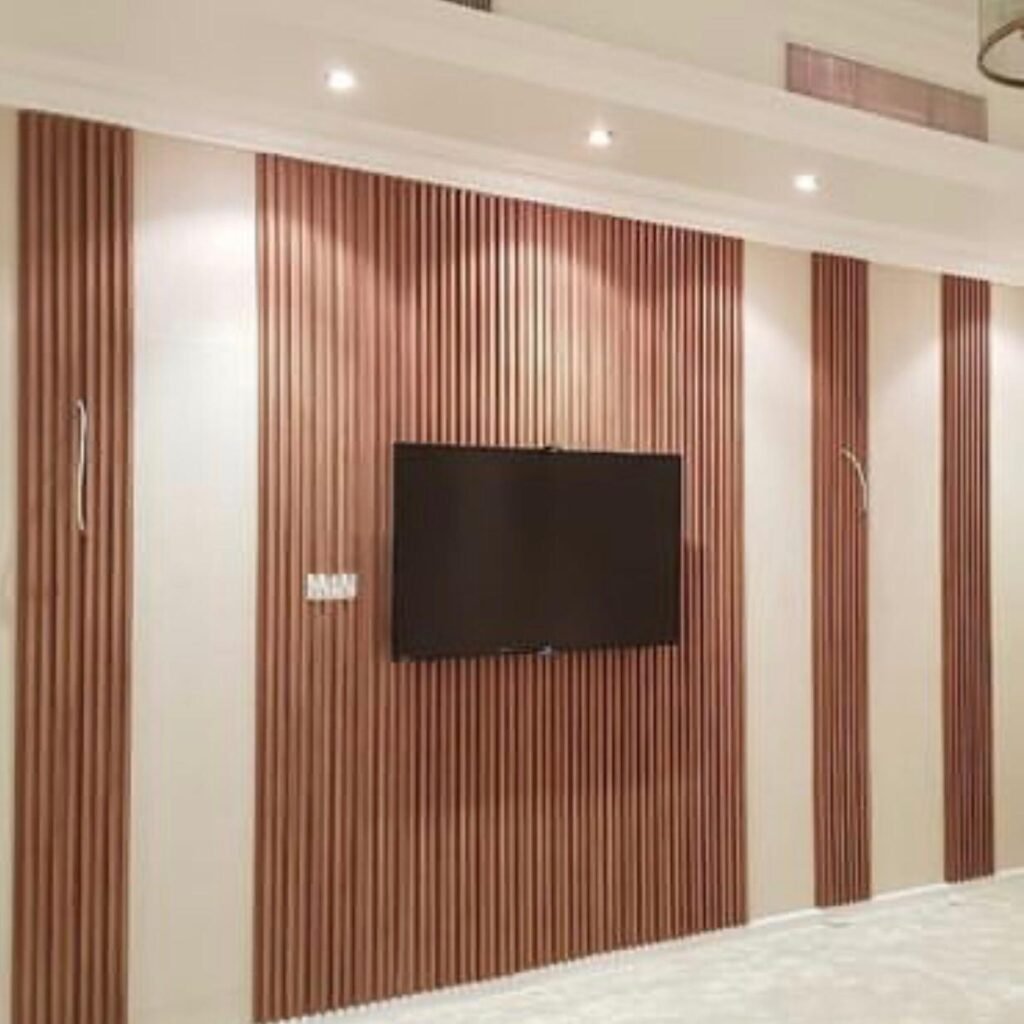
Understanding the Key Features of PVC Wall Panels and Their Benefits
PVC wall panels are manufactured from polyvinyl chloride, a durable plastic material known for its resistance to moisture, impact, and corrosion. This makes them particularly suitable for areas exposed to humidity or high traffic, such as kitchens, bathrooms, and commercial spaces. Some of the core features and benefits include:
- Waterproof Properties: PVC panels are impervious to water, making them ideal for damp environments. Unlike wood or gypsum, they won’t warp or swell when exposed to moisture.
- Lightweight and Easy to Handle: The panels are relatively lightweight, which simplifies transportation and installation compared to heavier cladding options.
- Durability: Resistant to scratches, dents, and stains, PVC panels maintain their appearance over time with minimal maintenance.
- Variety of Designs: Modern manufacturing techniques allow PVC panels to imitate natural textures, including wood grains, stone patterns, and metallic finishes.
- Hygienic Surface: PVC panels are easy to clean and resist bacterial growth, which is beneficial in kitchens and healthcare settings.
An additional advantage is their compatibility with complementary interior surfaces. For example, when combined with cladding on other areas, PVC wall panels can create a layered, sophisticated look while providing functional protection against moisture and wear.
Comparing PVC Wall Panels with Traditional Cladding Materials
Traditional cladding options, such as wood, brick, or metal, have long been used in both residential and commercial interiors. However, PVC wall panels offer several advantages over these materials:
- Maintenance: Wood requires periodic sealing or varnishing to protect against moisture, while PVC panels only need occasional wiping with a damp cloth.
- Cost Efficiency: PVC panels are generally more cost-effective when considering both material and installation costs.
- Installation Speed: Unlike brick or stone, PVC panels can be installed rapidly using adhesive or interlocking systems.
- Flexibility: PVC is available in a wide range of finishes and can easily adapt to irregular wall shapes, unlike rigid stone or brick cladding.
- Environmental Impact: Some PVC panels are recyclable and produce less waste during installation compared to traditional cladding that may require cutting or grinding.
While traditional cladding materials have a timeless aesthetic, PVC wall panels combine practicality with modern design, making them a versatile solution for contemporary spaces.
Step-by-Step Guide on Installing PVC Wall Panels Properly
Installing PVC wall panels is a straightforward process when proper preparation and techniques are followed. Here is a step-by-step guide:
- Surface Preparation: Ensure the wall is clean, dry, and smooth. Remove any old wallpaper, paint, or debris that could interfere with adhesion.
- Measure and Plan: Measure the height and width of the wall to calculate the number of panels needed. Plan the layout to minimize visible seams.
- Cutting Panels: Use a fine-tooth saw or utility knife to cut the panels to size. Always measure twice before cutting to avoid errors.
- Applying Adhesive: Apply a high-quality wall adhesive recommended for PVC panels evenly on the back of each panel.
- Panel Installation: Press the panel firmly against the wall, starting from one corner and working across. Ensure the panels are level using a spirit level.
- Interlocking Panels: If the panels are designed with interlocking edges, carefully join each subsequent panel to maintain a seamless appearance.
- Finishing Touches: Install corner trims, edge profiles, and any finishing strips to create a polished and professional look.
Proper installation not only ensures a visually appealing finish but also maximizes the longevity of the pvc wall panels.
Maintenance Tips to Keep PVC Wall Panels Looking New
Maintaining PVC wall panels is remarkably simple compared to traditional materials. To keep your walls looking fresh:
- Regular Cleaning: Use a soft cloth or sponge with mild soap and water to wipe down the panels. Avoid abrasive cleaners that can scratch the surface.
- Stain Removal: For tougher stains, a mixture of vinegar and water or a gentle household cleaner can be effective.
- Avoid Heat Sources: Keep panels away from direct heat sources like radiators or open flames to prevent warping.
- Inspect Seams: Occasionally check panel seams and joints for separation or gaps. Reapply adhesive or sealant if necessary.
- Prevent Impact Damage: While PVC is durable, heavy impacts can dent panels. Avoid striking panels with sharp or heavy objects.
With these simple steps, PVC panels can maintain their appearance for years, reducing the need for replacements or repairs.
Common Issues with PVC Wall Panels and How to Fix Them
Despite their durability, PVC wall panels can encounter a few common issues:
- Warping or Bowing: Often caused by improper installation or exposure to excessive heat. Solution: Remove the affected panel, allow it to acclimate, and reinstall with correct adhesive.
- Seam Separation: Can occur if the wall surface was uneven or adhesive was insufficient. Solution: Apply additional adhesive or trim to reinforce the seam.
- Stains or Discoloration: Caused by prolonged exposure to sunlight or contact with harsh chemicals. Solution: Use gentle cleaning methods or replace the affected panel if necessary.
- Cracks or Dents: Usually due to impact or heavy objects hitting the wall. Solution: Minor dents can sometimes be repaired with heat and gentle pressure; larger cracks may require panel replacement.
Understanding these potential issues helps homeowners maintain their walls efficiently and anticipate any maintenance needs before they become serious.
How PVC Wall Panels Improve Room Insulation and Acoustics
PVC wall panels not only enhance the visual appeal of a room but also offer functional benefits for insulation and soundproofing:
- Thermal Insulation: The panels create an additional layer on the wall, reducing heat transfer and helping maintain consistent indoor temperatures. This can contribute to energy savings during both summer and winter.
- Acoustic Performance: While not a replacement for dedicated acoustic panels, PVC wall panels can reduce minor noise by absorbing sound and minimizing echo in living spaces.
- Moisture Barrier: By preventing water penetration, PVC panels help maintain the thermal integrity of the wall structure and reduce the risk of mold or mildew growth.
These benefits make PVC wall panels an ideal choice for both residential and commercial applications where comfort and efficiency are priorities.
Environmental Considerations When Using PVC Wall Panels
While PVC wall panels are practical, considering their environmental impact is important:
- Recyclability: Many manufacturers offer recyclable PVC panels, which can be repurposed instead of ending up in landfills.
- Low Maintenance Reduces Waste: Unlike wood or other materials that may require chemical treatments or frequent replacement, PVC panels reduce long-term environmental impact.
- Energy Efficiency: Their insulating properties can contribute to reduced energy consumption in heating and cooling, indirectly benefiting the environment.
- Sustainable Sourcing: Look for products certified for low VOC emissions and responsible manufacturing processes.
By choosing environmentally conscious PVC panels, you can enjoy the advantages of modern design while minimizing ecological footprint.
Conclusion
PVC wall panels provide a practical, stylish, and low-maintenance solution for interior walls. From their waterproof properties and durability to their wide design options and ease of installation, they offer significant advantages over traditional cladding materials. Understanding the features, installation methods, and maintenance techniques ensures that these panels can enhance both aesthetics and functionality in your home or workspace. By considering environmental factors and potential challenges, homeowners can make informed choices that balance beauty, practicality, and sustainability.
Incorporating complementary materials such as cladding or epoxy floors can further enhance the overall interior design, creating a cohesive and durable environment.
FAQs
What are PVC wall panels made of?
PVC wall panels are primarily made from polyvinyl chloride, a durable and waterproof plastic material. They may also include stabilizers, colorants, and surface finishes to improve aesthetics and performance.
How durable are PVC wall panels compared to wood?
PVC panels are highly durable and resistant to moisture, scratches, and impact, whereas wood can warp, swell, or degrade over time if exposed to humidity or frequent wear.
Can PVC wall panels be painted or customized?
Yes, PVC panels can be painted using suitable plastic-compatible paints. Additionally, they are available in a wide range of textures and colors to match various design preferences.
Are PVC wall panels suitable for bathrooms and kitchens?
Absolutely. Their waterproof nature and easy-to-clean surface make them ideal for high-moisture areas like kitchens, bathrooms, and laundry rooms.
How do PVC wall panels affect room insulation?
PVC panels add an extra layer to walls, reducing heat transfer and helping maintain consistent indoor temperatures, which can contribute to energy efficiency.
What are the common installation mistakes to avoid?
Common mistakes include uneven surface preparation, improper adhesive application, misaligned panels, and failure to install finishing trims. Following a step-by-step guide helps prevent these issues.
How do I maintain PVC wall panels to keep them looking new?
Regular cleaning with mild soap and water, avoiding abrasive cleaners, and monitoring seams and joints for gaps will ensure the panels remain in excellent condition over time.
Can PVC panels be combined with other wall coverings?
Yes, PVC panels can complement other materials such as wood cladding or decorative tiles, providing both visual interest and functional benefits.
Do PVC wall panels have any environmental impact?
While PVC production has environmental considerations, using recyclable panels, low-maintenance options, and energy-efficient designs can minimize their ecological footprint.
Are PVC panels resistant to impact damage?
PVC panels are generally impact-resistant but can dent or crack under heavy force. Minor dents may be repaired with heat, while larger damage may require replacement.
How long do PVC wall panels typically last?
With proper installation and maintenance, PVC wall panels can last 15–20 years or more, retaining their appearance and functionality throughout their lifespan.
Can PVC panels improve acoustic comfort?
Yes, they can reduce minor noise and echo by adding a layer that absorbs sound, though they are not a substitute for specialized acoustic treatments.
Is it necessary to hire a professional for installation?
While DIY installation is possible due to the panels’ lightweight and interlocking design, professional installation ensures optimal alignment, adhesive application, and finishing, minimizing potential issues.
Can PVC wall panels be installed over existing surfaces?
Yes, PVC panels can be installed over smooth, stable surfaces such as painted walls or plasterboards, provided the surface is clean and even.
Are PVC panels fire-resistant?
Many modern PVC panels include fire-retardant additives, but it’s important to check the product specifications for compliance with local fire safety standards.
