
Choosing the right wall cladding is essential for both aesthetics and durability in any interior space. Among various options, PVC panels have gained popularity due to their versatility, lightweight design, and easy maintenance. Understanding how to select the appropriate PVC panels can transform ordinary walls into modern, stylish surfaces that complement any interior style.
When considering wall coverings, homeowners and designers often weigh factors such as material longevity, installation complexity, and overall visual appeal. PVC panels offer a practical solution for those seeking cost-effective, durable, and visually appealing alternatives to traditional wall materials. This article explores every aspect of PVC panels, from types and installation to maintenance tips, ensuring readers can make informed decisions for their interiors.
Additionally, we will compare PVC panels with other options, providing insights into their advantages and potential drawbacks. By the end of this guide, you will have a comprehensive understanding of how PVC panels can enhance your space while simplifying wall care and maintenance.
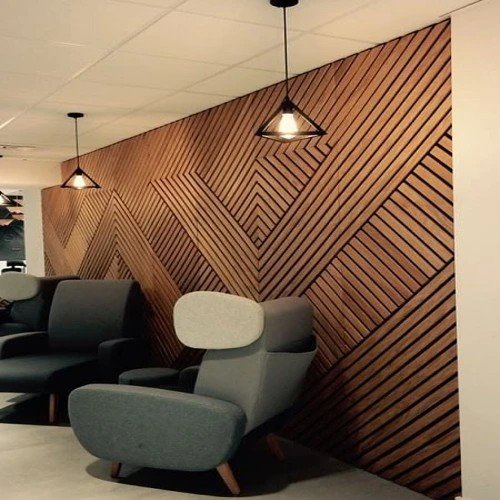
Understanding the Different Types of PVC Panels and Their Uses
PVC panels are manufactured in various styles, textures, and thicknesses, catering to different interior design needs. The material itself is made from polyvinyl chloride, which is lightweight, waterproof, and resistant to corrosion. This makes it an ideal choice for areas exposed to moisture, such as kitchens, bathrooms, and utility rooms.
Some common types of PVC panels include:
- Glossy PVC Panels – These panels have a smooth, reflective surface that brightens interiors and creates a sleek, modern look.
- Textured PVC Panels – Designed to mimic natural materials such as wood or stone, these panels add depth and character to walls.
- Matt Finish PVC Panels – With a subdued surface, these panels provide a minimalist and contemporary aesthetic.
- Printed PVC Panels – Customizable panels featuring printed designs or patterns for unique decorative effects.
Understanding the intended use of PVC panels is crucial. For example, moisture-prone areas benefit most from waterproof options, whereas living rooms or bedrooms might emphasize style and texture. Selecting the right type ensures longevity, ease of cleaning, and compatibility with existing decor.
Key Advantages of PVC Panels Over Traditional Wall Materials
PVC panels offer several advantages that distinguish them from traditional materials like wood, plaster, or tiles.
- Water Resistance – Unlike wood or gypsum, PVC panels are impervious to moisture, making them ideal for kitchens, bathrooms, and laundry rooms.
- Durability – Resistant to scratches, dents, and fading, PVC panels maintain their appearance for years without extensive maintenance.
- Lightweight – Easy to handle and install, these panels reduce labor costs and structural strain on walls.
- Low Maintenance – Simply wiping the panels with a damp cloth removes dust and stains, eliminating the need for repainting or polishing.
- Variety in Design – Available in multiple colors, patterns, and textures, PVC panels can replicate premium finishes like wood or marble without the associated cost.
These benefits make PVC panels a versatile and practical solution for both residential and commercial interiors. Incorporating pvc panels into your home can combine functionality with style, offering a modern alternative to traditional wall cladding methods.
How to Install PVC Panels for Durable and Attractive Walls
Installing PVC panels requires precision and careful planning to ensure a seamless appearance and long-lasting durability. The process typically involves the following steps:
- Surface Preparation – Ensure walls are clean, dry, and free from dust or grease. Uneven surfaces may require leveling with putty or plaster.
- Measuring and Cutting Panels – Measure wall dimensions accurately. Cut panels using a fine-tooth saw or utility knife, ensuring precise edges for snug fitting.
- Mounting Panels – Panels can be attached using adhesive, screws, or interlocking mechanisms. Ensure panels are aligned horizontally or vertically, depending on the design.
- Sealing Joints – Use silicone sealant or special PVC trims to cover joints, preventing moisture seepage and ensuring a polished look.
- Finishing Touches – Inspect for gaps or misaligned panels. Clean the surface and allow adhesive to cure fully before applying any decorative elements.
Following these steps helps achieve professional results and maximizes the durability of your PVC wall installation. Even DIY enthusiasts can successfully install panels by carefully planning and using proper tools.
Maintenance Tips to Keep PVC Panels Looking New
Maintaining PVC panels is straightforward but requires routine attention to prevent discoloration or damage. Key tips include:
- Regular Cleaning – Wipe panels with a soft, damp cloth to remove dust and light stains. Avoid abrasive cleaners that may scratch the surface.
- Preventing Scratches – Avoid placing sharp objects directly against the wall to maintain the finish.
- Controlling Humidity – Although panels are water-resistant, excessive humidity can cause expansion. Ensure proper ventilation in bathrooms and kitchens.
- Inspection for Damage – Check periodically for cracks or loose panels. Promptly repair or replace damaged sections to maintain appearance.
By following these simple steps, you can preserve the elegance and functionality of your PVC walls for many years. wooden floor installations in adjacent areas can complement PVC panel textures, enhancing the overall aesthetic harmony.
Comparing PVC Panels with Other Wall Cladding Options
PVC panels are often compared with alternatives such as wooden panels, tiles, or gypsum boards. Each material offers unique advantages:
- Wooden Panels – Provide natural warmth and a luxurious feel but require higher maintenance and are sensitive to moisture.
- Tiles – Extremely durable and water-resistant but heavy and more complex to install.
- Gypsum Boards – Offer smooth surfaces suitable for painting but are prone to moisture damage.
PVC panels strike a balance between these options by offering moisture resistance, lightweight installation, and aesthetic versatility. Additionally, they often replicate the appearance of wood or stone, providing a visually appealing solution without the cost or upkeep associated with traditional materials.
Common Mistakes to Avoid When Using PVC Panels
While PVC panels are user-friendly, improper installation or care can lead to common issues. Avoid these mistakes:
- Skipping Wall Preparation – Uneven surfaces can cause panels to warp or gaps to appear.
- Incorrect Adhesive Use – Using unsuitable adhesives may reduce panel adhesion, leading to detachment over time.
- Ignoring Expansion Gaps – Panels expand slightly with temperature changes. Failing to leave small gaps can result in buckling.
- Overlooking Joint Sealing – Unsealed joints may allow moisture penetration, undermining durability.
- Poor Maintenance Practices – Harsh chemicals or abrasive tools can damage the surface finish.
Awareness of these common pitfalls ensures your PVC panels maintain both their functional and aesthetic qualities over the long term.
How to Select the Right PVC Panel Texture and Finish
The texture and finish of PVC panels play a crucial role in achieving the desired interior look. When choosing panels, consider the following:
- Gloss vs. Matte – Glossy panels reflect light and brighten rooms, whereas matte panels create a soft, understated effect.
- Pattern and Grain – Panels with wood or stone textures can add warmth and natural appeal.
- Color Palette – Choose shades that complement existing furnishings, flooring, and wall colors. Neutral tones offer flexibility, while bold hues create accent walls.
- Surface Finish Durability – Some finishes are more resistant to scratches and stains, ideal for high-traffic areas.
Selecting the appropriate texture and finish ensures your PVC panels enhance the space’s overall design while maintaining practicality. For instance, pairing parquet floor designs with textured PVC walls can create a cohesive and sophisticated interior.
Conclusion
PVC panels offer a versatile and practical solution for modern interior walls. Their durability, ease of installation, and wide range of design options make them ideal for both residential and commercial spaces. By understanding the types of panels available, installation methods, and maintenance requirements, homeowners can create stylish, low-maintenance walls that complement any decor.
With proper selection and care, PVC panels provide a long-lasting, aesthetically pleasing wall covering that addresses common challenges like moisture and wear, all while offering flexibility in design. Whether you aim for a contemporary, minimalist, or natural aesthetic, PVC panels can seamlessly enhance your interior space.
FAQs
- What are PVC panels and why are they used?
PVC panels are wall coverings made from polyvinyl chloride. They are used for their water resistance, durability, and ease of maintenance, making them suitable for kitchens, bathrooms, and other interior spaces. - How long do PVC panels typically last?
When properly installed and maintained, PVC panels can last 10–20 years without significant wear or damage. Their resistance to moisture and scratches contributes to their longevity. - Can PVC panels be installed over existing walls?
Yes, PVC panels can be installed over existing walls, provided the surface is clean, dry, and even. Minor imperfections should be leveled before installation. - Are PVC panels eco-friendly and recyclable?
PVC panels can be recycled in specialized facilities, but they are made from synthetic material, so eco-friendliness depends on proper disposal and recycling practices. - How do PVC panels perform in humid areas?
PVC panels are highly resistant to moisture, making them ideal for bathrooms, kitchens, and laundry areas. Proper joint sealing ensures maximum protection against water penetration. - What tools are needed to install PVC panels?
Common tools include a measuring tape, level, saw or utility knife, adhesive or screws, and silicone sealant. Following proper installation steps ensures a secure and visually appealing finish. - Can PVC panels mimic other materials like wood or stone?
Yes, many PVC panels come in textured or printed finishes that replicate the appearance of wood, stone, or other premium materials, offering design flexibility without high costs. - How do I clean and maintain PVC panels?
Routine maintenance involves wiping with a damp cloth. Avoid abrasive cleaners or tools that may scratch the surface. For stubborn stains, mild detergent solutions can be used. - Can PVC panels be painted if needed?
While PVC panels are generally designed to retain their color, specialized paints for plastics can be applied, although it’s usually unnecessary due to the variety of finishes available. - Are PVC panels suitable for commercial spaces?
Yes, their durability, low maintenance, and resistance to wear make PVC panels suitable for offices, restaurants, and other commercial interiors.
