
Garages are more than just spaces to park vehicles—they often double as workshops, storage areas, or even recreational zones. As such, the condition and durability of your garage floor play a crucial role in the overall functionality and appearance of the space. Selecting the right flooring material ensures not only longevity but also safety and ease of maintenance. Among the various options available, epoxy garage floors have emerged as a popular solution due to their resilience, aesthetic appeal, and resistance to wear and tear.
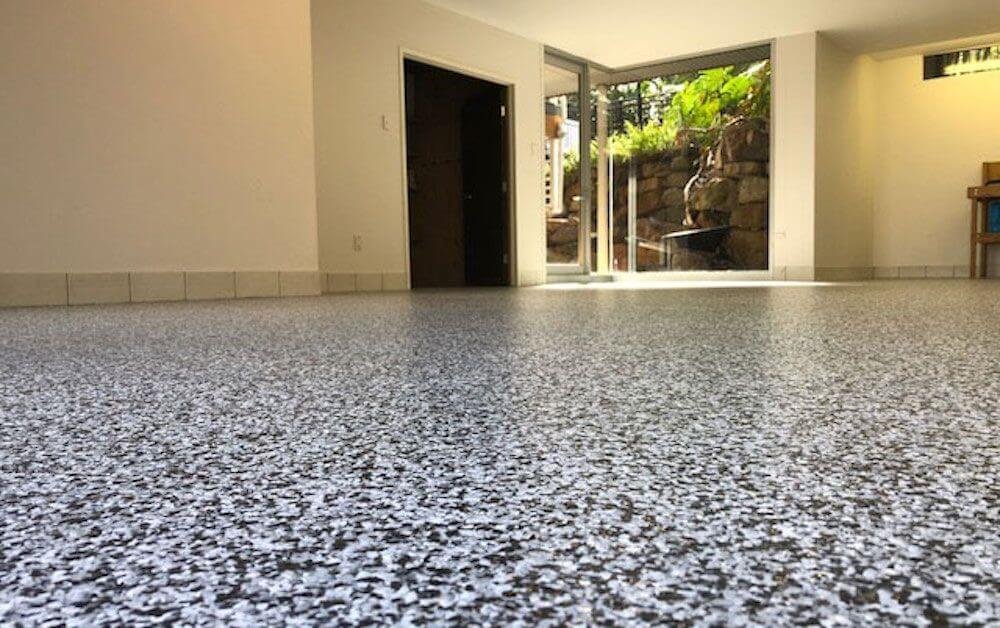
Choosing the best epoxy garage floor, however, involves understanding the material, its application process, and how it compares to other flooring options. Whether you are considering a full garage renovation or simply upgrading an existing surface, this guide provides a comprehensive look at everything you need to know about epoxy flooring.
By exploring the benefits, preparation steps, and maintenance strategies, you will be better equipped to make an informed decision and achieve a garage floor that is both durable and visually appealing.
Understanding the Benefits and Lifespan of Epoxy Garage Floors
Epoxy garage floors offer a range of advantages that make them a top choice for homeowners looking to enhance both functionality and aesthetics. The primary benefit is durability. Epoxy coatings create a hard, protective surface that resists scratches, stains, and chemical spills. This makes them ideal for garages where vehicles, tools, and heavy equipment are regularly used.
Another significant advantage is low maintenance. Unlike concrete floors that can stain or crack over time, epoxy surfaces are easier to clean and maintain. Spills can be wiped away without leaving lasting marks, and the seamless finish prevents dirt and debris from accumulating in cracks or joints.
In terms of lifespan, a well-installed epoxy garage floor can last anywhere from 10 to 20 years. Factors such as traffic, environmental conditions, and maintenance practices can influence longevity. By choosing a high-quality epoxy formulation and following proper application techniques, homeowners can maximize the lifespan of their garage floors.
Additionally, epoxy floors enhance the visual appeal of a garage. They come in various colors and finishes, including metallic and high-gloss options, allowing you to customize the appearance to match your personal style.
Different Types of Epoxy Coatings and Their Unique Properties
Understanding the different types of epoxy coatings is essential when selecting the best flooring option for your garage. The main types include:
- 100% Solid Epoxy: This type offers the highest durability and chemical resistance. It provides a thick, seamless coating that is ideal for heavy-use areas.
- Water-Based Epoxy: Easier to apply and lower in odor, water-based epoxy is less durable than solid epoxy but still suitable for moderate traffic garages.
- Solvent-Based Epoxy: Offers strong adhesion and chemical resistance. It is more challenging to work with due to fumes and requires proper ventilation during application.
- Metallic Epoxy: Contains metallic pigments that create a unique, reflective finish. While primarily aesthetic, it also maintains the durability properties of standard epoxy.
Each type of epoxy has specific applications and performance characteristics. Choosing the right one depends on factors such as expected traffic, exposure to chemicals or moisture, and the desired visual effect.
Preparing Your Garage Surface for a Successful Epoxy Application
Preparation is a critical step in ensuring that an epoxy garage floor adheres properly and lasts for many years. A poorly prepared surface can lead to peeling, bubbling, or uneven finishes. Key preparation steps include:
- Cleaning: Remove all dust, dirt, grease, and oil stains. Degreasers and pressure washers are often used to achieve a thoroughly clean surface.
- Repairing Cracks and Holes: Fill any imperfections in the concrete to create a smooth, even surface. Epoxy will not adhere properly to damaged areas.
- Etching the Surface: Acid etching or mechanical grinding opens the pores of the concrete, enhancing adhesion of the epoxy coating.
- Moisture Testing: Ensure the concrete is dry. Excess moisture can prevent proper curing and lead to coating failures.
- Priming (Optional): Some epoxy systems recommend a primer layer to improve bonding and enhance durability.
Proper preparation not only increases the longevity of the floor but also ensures a smooth and visually appealing finish. For more guidance on professional preparation, searching for floorers near me can connect homeowners with local experts experienced in epoxy floor installations.
Common Mistakes to Avoid When Applying Epoxy Floors
Applying epoxy floors requires attention to detail and careful planning. Avoiding common mistakes can save time, money, and frustration:
- Skipping Surface Preparation: Even minor dust or oil residue can prevent proper adhesion.
- Applying Too Thick or Too Thin Layers: Thickness affects curing time and durability.
- Ignoring Temperature and Humidity Guidelines: Epoxy requires specific conditions for proper curing.
- Rushing the Application: Allow each layer to cure fully before adding the next.
- Using the Wrong Tools: Rollers, squeegees, and brushes designed for epoxy ensure an even coat.
By following manufacturer instructions and taking the time to execute each step carefully, homeowners can avoid these pitfalls and achieve a long-lasting, professional-quality finish.
How Maintenance Affects the Longevity of Epoxy Flooring
Maintaining an epoxy garage floor is relatively simple, but it significantly impacts its lifespan. Regular maintenance tips include:
- Cleaning Spills Promptly: Prevent stains from chemicals, oil, and other substances.
- Sweeping and Dusting: Regular removal of debris reduces abrasion on the epoxy surface.
- Avoiding Harsh Chemicals: Use pH-neutral cleaners to prevent damage to the coating.
- Inspecting for Damage: Small chips or scratches should be repaired quickly to prevent further deterioration.
- Using Floor Mats for High-Traffic Areas: Placing mats under vehicles or workstations can protect the epoxy from excessive wear.
Consistent maintenance ensures that the floor retains both its functional and aesthetic qualities for many years.
Comparing Epoxy Flooring with Other Garage Floor Options
While epoxy flooring offers many advantages, it’s helpful to understand how it compares with other popular garage floor options:
- Concrete: Standard concrete is affordable and durable but prone to staining and cracking. Epoxy provides a protective layer that enhances concrete’s longevity.
- Porcelain Tiles: Tiles can be stylish and easy to clean but may crack under heavy loads. For an in-depth look at tile options porcelain tiles provide insights into their suitability for garages.
- Rubber Flooring: Offers cushioning and slip resistance but may not handle heavy vehicles as well as epoxy.
- Vinyl Flooring: Easy to install and maintain but less resistant to chemicals and heavy use.
Understanding these differences allows homeowners to weigh their priorities, such as durability, ease of maintenance, and visual appeal, when choosing the right garage flooring.
Environmental Factors That Can Impact Epoxy Garage Floors
Environmental conditions in and around the garage can influence the performance and longevity of epoxy floors. Factors to consider include:
- Temperature Extremes: Very cold or hot climates can affect curing and long-term stability.
- Moisture Levels: Excess moisture in concrete or high humidity can lead to bubbling or peeling.
- Sunlight Exposure: Direct sunlight through windows may cause fading in colored or metallic epoxy finishes.
- Vehicle Chemicals: Regular exposure to antifreeze, oil, and cleaning products can degrade epoxy if not cleaned promptly.
By understanding and mitigating these factors, homeowners can protect their investment and ensure their garage floors remain in top condition.
Conclusion
Selecting the best epoxy garage floor requires careful consideration of material type, preparation methods, and maintenance practices. From understanding the benefits and lifespan to comparing with alternative flooring options, informed decisions lead to durable and attractive results. Proper installation and regular upkeep further ensure that the garage floor can withstand heavy use while maintaining a clean and polished appearance. Whether you are renovating an older garage or installing a new floor, epoxy provides a practical and stylish solution that balances functionality with aesthetics.
FAQs
What is epoxy garage flooring?
Epoxy garage flooring is a protective coating applied to concrete surfaces, creating a durable, chemical-resistant, and visually appealing floor. It is composed of resin and hardener that bond to the concrete.
How long does epoxy garage flooring last?
With proper preparation, installation, and maintenance, epoxy garage floors can last between 10 and 20 years, depending on traffic and environmental factors.
Can epoxy floors handle heavy vehicles?
Yes, epoxy floors are designed to withstand heavy loads, including cars, trucks, and other equipment, without significant damage or deformation.
How do I prepare my garage for epoxy installation?
Preparation includes cleaning the surface, repairing cracks, etching the concrete, and ensuring it is dry. Proper preparation ensures strong adhesion and a long-lasting finish.
What maintenance is required for epoxy garage floors?
Maintenance involves regular cleaning, prompt spill removal, avoiding harsh chemicals, inspecting for damage, and using protective mats in high-traffic areas.
Are there any eco-friendly epoxy options?
Yes, some epoxy formulations are low in volatile organic compounds (VOCs) and environmentally friendly, providing a safer installation and reduced environmental impact.
Where can I find professionals for floor installation?
Searching for floorers near me helps locate experienced local professionals who can assist with epoxy garage floor preparation and installation.
Can epoxy floors be customized in color and finish?
Absolutely. Epoxy floors are available in a variety of colors and finishes, including metallic and high-gloss options, allowing for a tailored look to match any garage style.
How does epoxy compare with other flooring types?
Epoxy offers superior durability and chemical resistance compared to concrete, tiles, rubber, or vinyl. It is low-maintenance and visually customizable, making it a preferred choice for garages.
What factors affect the durability of epoxy floors?
Durability depends on surface preparation, type of epoxy, environmental conditions, vehicle and chemical exposure, and ongoing maintenance. Regular care maximizes lifespan.
Learn more about flooring options and finishes through epoxy garage floor guides for in-depth insights.
Explore additional flooring alternatives with porcelain tiles to understand different textures and applications.
Professional installation and advice can be accessed by checking for floorers near me for tailored support.
