
Epoxy flooring has become a popular choice for homeowners seeking durable, stylish, and easy-to-maintain surfaces. Unlike traditional flooring options, epoxy offers a seamless finish that can withstand heavy foot traffic, spills, and daily wear and tear. With its high-gloss appearance and chemical resistance, epoxy flooring can transform a standard room into a visually appealing and practical living space.
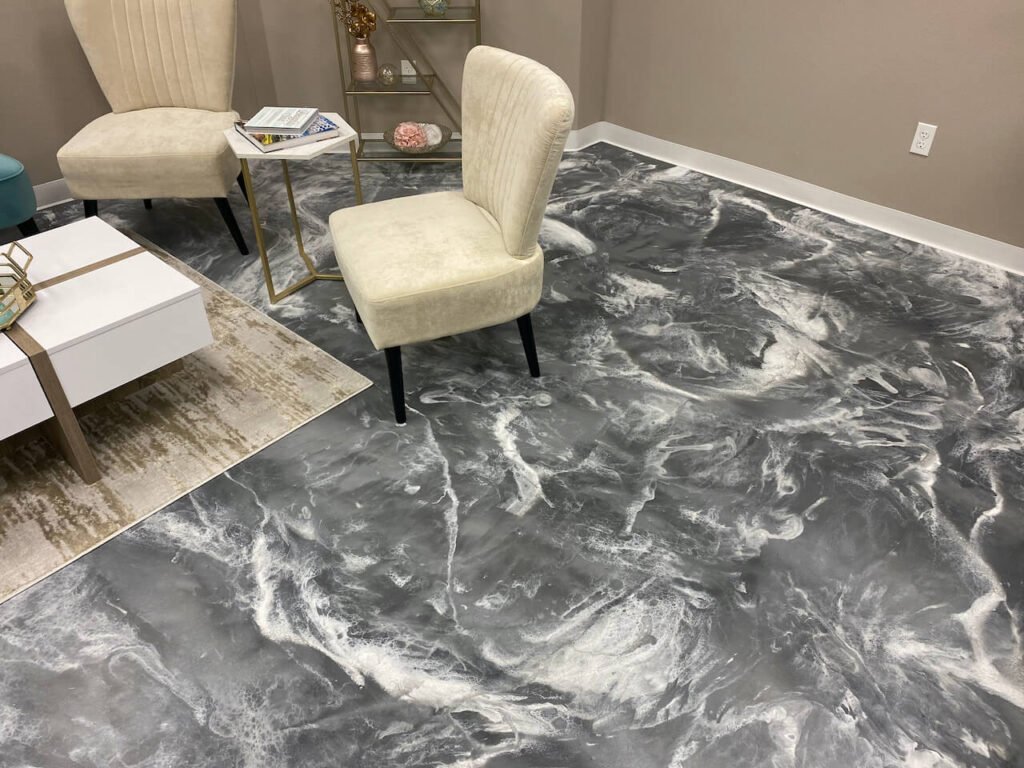
Understanding the process of applying epoxy for flooring is essential for achieving a long-lasting, professional-looking finish. While some homeowners hire professionals for installation, many are turning to DIY methods with proper preparation and guidance. This article provides an in-depth, step-by-step exploration of everything you need to know about epoxy flooring, including preparation, application, maintenance, and comparisons with other flooring options.
By the end of this guide, you will have a clear understanding of how to plan, execute, and maintain your epoxy flooring, making your home both functional and aesthetically pleasing.
Understanding the Different Types of Epoxy for Flooring
Epoxy flooring is not a one-size-fits-all solution; there are multiple types suited for various applications. The main types include:
- Water-Based Epoxy: Ideal for residential spaces with moderate traffic. It is low in odor and easy to apply, but less durable than other types.
- Solvent-Based Epoxy: Offers stronger adhesion and is more resistant to chemicals. However, it has a stronger odor and requires proper ventilation during installation.
- 100% Solid Epoxy: Highly durable and resistant to heavy traffic, chemicals, and impact. It provides a glossy finish but is more expensive and requires professional handling.
- Epoxy Mortar: Contains sand or aggregate for added thickness and durability, often used in garages or industrial applications.
Choosing the right type of epoxy depends on your home’s needs, traffic level, and desired aesthetic. Understanding the differences helps ensure longevity and performance of your floors.
Step-by-Step Guide to Preparing Surfaces for Epoxy Application
Surface preparation is the most critical step in achieving a flawless epoxy floor. Skipping or rushing this stage can lead to peeling, bubbling, or uneven finishes.
- Clean the Floor Thoroughly: Remove all dirt, grease, and existing coatings. Use a degreaser for tough stains.
- Repair Damages: Patch cracks or holes with epoxy filler or concrete repair compound. Smooth out uneven areas to prevent imperfections.
- Etching or Sanding: Concrete floors must be etched with a mild acid solution or mechanically ground to ensure proper adhesion.
- Vacuum and Wipe: Remove all dust and debris after sanding or etching to prevent bubbles in the epoxy layer.
- Prime the Surface: Apply a primer coat to improve bonding and reduce the risk of air pockets.
Following these steps ensures that the epoxy bonds correctly to the surface, resulting in a smooth and durable finish that lasts for years.
Key Techniques for Achieving a Smooth Epoxy Finish
Applying epoxy requires patience, precision, and the right tools. Here are techniques to achieve a professional finish:
- Mix Properly: Combine resin and hardener thoroughly according to manufacturer instructions. Inconsistent mixing can cause soft spots.
- Use a Roller: Apply epoxy using a long-handled roller with a smooth nap. Work in small sections to maintain wet edges and avoid visible lines.
- Add Decorative Elements: Sprinkle color flakes, metallic pigments, or quartz chips while the epoxy is still wet to enhance aesthetics.
- Release Air Bubbles: Use a heat gun or torch lightly over the surface to remove trapped air bubbles.
- Allow Adequate Curing: Follow the recommended curing time before walking on the floor, typically 24–72 hours depending on the epoxy type.
These techniques ensure a smooth, glossy surface with minimal imperfections. Proper application not only improves aesthetics but also enhances the floor’s resistance to wear.
Common Mistakes to Avoid When Installing Epoxy Floors
Many DIY enthusiasts make mistakes that compromise the quality and longevity of epoxy flooring. Avoid these common errors:
- Inadequate Surface Preparation: Failing to clean, sand, or prime the floor leads to adhesion problems.
- Incorrect Mixing Ratios: Using too much or too little hardener affects the curing process and can create soft spots.
- Ignoring Environmental Factors: Temperature and humidity can impact curing. Avoid applying epoxy in extreme conditions.
- Applying Too Thickly: Thick layers may cure unevenly or trap air bubbles.
- Walking on Wet Epoxy: Premature traffic can leave permanent marks and reduce durability.
Understanding these pitfalls ensures that your epoxy floor remains smooth, strong, and visually appealing for years.
Maintenance Tips to Prolong the Life of Your Epoxy Flooring
Epoxy flooring is low-maintenance, but proper care can extend its lifespan and retain its glossy appearance. Key tips include:
- Regular Cleaning: Sweep or vacuum daily to remove dirt and debris. Mop with mild detergent and water.
- Avoid Abrasives: Do not use harsh chemicals or abrasive cleaning pads that can scratch or dull the surface.
- Protect from Heavy Loads: Use furniture pads to prevent scratches and dents from moving heavy items.
- Touch-Up Damages: Minor chips or scratches can be repaired with epoxy patch kits.
- Periodic Recoating: High-traffic areas may benefit from a thin recoat every few years to maintain a fresh appearance.
Routine maintenance ensures that your epoxy for flooring continues to look pristine and functional for decades.
Environmental Factors That Affect Epoxy Flooring Durability
Several environmental factors can influence the performance of epoxy flooring:
- Moisture Levels: Excessive moisture in concrete can prevent proper adhesion, leading to peeling.
- Temperature Fluctuations: Extreme heat or cold can cause cracking or softening of the epoxy layer.
- Sunlight Exposure: UV rays can cause yellowing over time, particularly for light-colored epoxy.
- Chemical Exposure: Household chemicals, oils, or solvents can damage unprotected epoxy surfaces.
Understanding these factors allows homeowners to take preventive measures, such as using UV-resistant coatings or ensuring proper moisture barriers.
Comparing Epoxy Flooring to Other Popular Flooring Options
Epoxy flooring can be compared to other residential flooring types in terms of durability, appearance, and maintenance:
- Herringbone: Offers a classic, elegant look using wood or vinyl planks. While visually appealing, it may require more maintenance and is prone to scratches.
- LVT Flooring: Luxury Vinyl Tile is flexible, water-resistant, and comes in a variety of designs. It is easier to install but generally less durable than epoxy for heavy traffic areas.
- Epoxy Flooring: Highly durable, chemical-resistant, and seamless. Provides a modern, industrial aesthetic suitable for both indoor and garage applications.
Choosing the right flooring depends on your priorities, such as aesthetics, durability, and ease of maintenance. Epoxy remains a top choice for homeowners seeking a long-lasting, low-maintenance solution.
Conclusion
Epoxy flooring offers an ideal combination of durability, aesthetic appeal, and low maintenance, making it a compelling choice for residential spaces. By understanding the different types, preparing surfaces correctly, applying epoxy carefully, and following maintenance best practices, homeowners can enjoy a smooth, glossy floor that withstands daily wear and tear.
Whether comparing epoxy to classic options like herringbone or modern alternatives like lvt flooring, the versatility and longevity of epoxy make it a practical and stylish choice for any home. Investing the time in preparation, proper application, and ongoing care ensures your floors will remain both functional and visually appealing for years to come.
FAQs
What is epoxy flooring and how does it work?
Epoxy flooring is a resin-based coating applied over concrete or other surfaces. It forms a seamless, durable layer that resists chemicals, wear, and moisture.
How long does epoxy flooring last in homes?
When properly installed and maintained, epoxy flooring can last 10–20 years, depending on traffic levels and environmental conditions.
Can epoxy flooring be applied over existing surfaces?
Yes, epoxy can be applied over concrete, tiles, and other surfaces if they are thoroughly cleaned, repaired, and primed.
What safety precautions are needed for epoxy installation?
Wear protective gloves, goggles, and ensure proper ventilation. Avoid skin contact and inhalation of fumes during mixing and application.
How to remove stains or scratches from epoxy flooring?
Minor scratches can be buffed out or repaired with an epoxy patch kit. For stains, use a mild detergent and soft cloth; avoid harsh chemicals.
Does epoxy flooring suit high-traffic areas?
Yes, epoxy is highly durable and ideal for high-traffic spaces like kitchens, garages, and hallways.
Can epoxy flooring be customized with colors or patterns?
Yes, epoxy can include color flakes, metallic pigments, or decorative designs to achieve a customized look tailored to your home’s style.
How do you maintain epoxy flooring for longevity?
Sweep or vacuum regularly, mop with mild detergent, avoid abrasive cleaners, protect from heavy furniture, and recoat periodically if needed.
Is epoxy flooring resistant to moisture and chemicals?
Yes, properly applied epoxy provides strong resistance to water, household chemicals, and oils, making it suitable for kitchens, garages, and utility areas.
Can I install epoxy flooring as a DIY project?
While challenging, many homeowners successfully install epoxy themselves with proper preparation, tools, and patience. Following step-by-step guides ensures a professional-looking finish.
