
Interior finishes are not only about visual appeal—they also influence how long surfaces last under daily use. Among the most functional finishing elements in any room is the trim that runs along the base of the walls. Although often considered decorative, it plays a major role in preserving structural edges and preventing gradual damage.
Understanding how a skirting board supports durability can help homeowners, renovators, and designers protect their interiors more effectively. From shielding edges against impact to preventing moisture infiltration, this simple component contributes significantly to the lifespan of walls and surfaces. This guide explains its purpose, materials, installation practices, and long-term benefits in a clear and practical way.
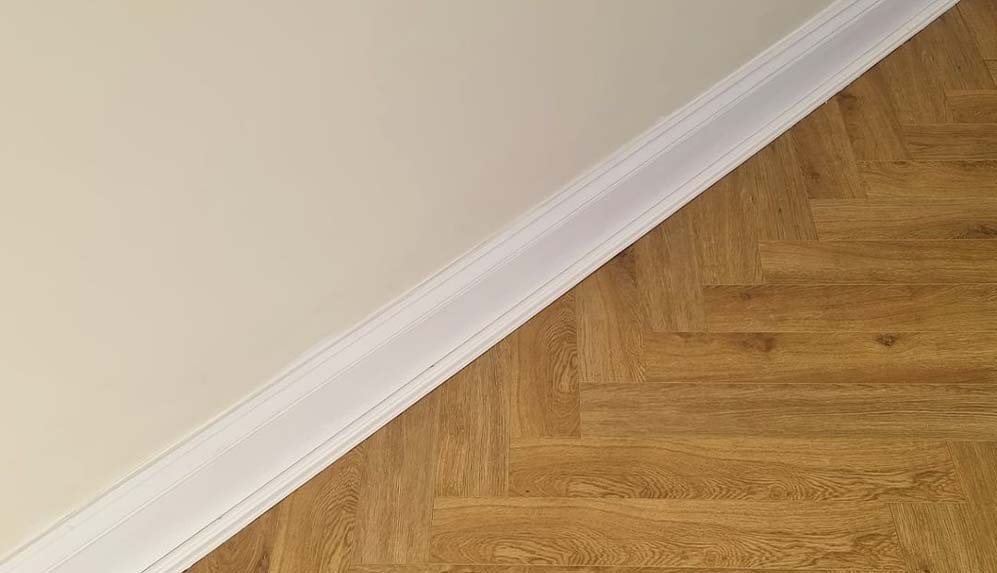
Why skirting board placement helps protect the lower wall surface from scuffs, impacts, and cleaning equipment
The lowest section of a wall experiences the most abuse in daily life. Shoes, chairs, toys, cleaning tools, and furniture all make contact with this area. Without reinforcement, paint chips quickly and plaster begins to crumble.
Installing a protective trim along the perimeter absorbs this impact instead of the wall itself. It works as a shock barrier that takes scratches and dents that would otherwise damage structural surfaces.
Common causes of lower wall damage include:
- Vacuum and mop collisions
- Furniture movement
- Foot traffic in tight spaces
- Children’s toys or carts
- Frequent cleaning activities
By intercepting these forces, the trim maintains cleaner walls and reduces repair needs over time. This protection is especially important in high-traffic environments such as hallways, kitchens, and offices.
The relationship between skirting board design and long-term floor stability in busy environments
Edge stability is often overlooked when considering durability. However, the transition where the wall meets the floor is vulnerable to gaps, shifting, and cracking.
A properly installed skirting board reinforces this junction. It secures the edges and covers expansion spaces that allow materials to move naturally with temperature and humidity changes.
Without coverage, dust, moisture, and debris can collect inside these gaps, which may weaken adhesives or cause materials to swell. The trim helps:
- Seal vulnerable edges
- Prevent water penetration
- Reduce debris buildup
- Support consistent alignment
This contributes to a more stable structure and fewer long-term problems.
Detailed comparison of wood, MDF, and composite skirting board materials for different interiors
Material choice directly affects durability, maintenance, and visual style. Each type offers unique advantages depending on room conditions.
Solid wood
- Natural and timeless look
- Strong and impact resistant
- Can be sanded and refinished
- Needs sealing against moisture
MDF
- Smooth and easy to paint
- Budget-friendly
- Uniform texture
- Less resistant to water unless treated
PVC or composite
- Waterproof and low maintenance
- Resistant to pests and rot
- Ideal for humid spaces
- Modern appearance
Selecting the right option depends on environment and usage. For example, bathrooms benefit from moisture-resistant materials, while living rooms often prioritize aesthetics.
How proper fitting prevents dust accumulation and creates a neat transition between wall and floor
Poorly fitted edges create small gaps that trap dirt and allergens. Over time, these spaces become difficult to clean and detract from the room’s appearance.
A tight, well-aligned installation creates a smooth transition that simplifies maintenance. Dust has fewer places to collect, and cleaning tools glide easily along the perimeter.
Proper fitting achieves:
- Cleaner corners
- Reduced allergens
- Easier sweeping and mopping
- Improved visual neatness
- Less long-term buildup
Even minor alignment improvements can make everyday cleaning significantly more efficient.
Practical tips for measuring, cutting, and aligning skirting boards accurately during installation
Accuracy is essential for professional-looking results. Mistakes often show up at corners or joints, so precision makes a noticeable difference.
Helpful tips include:
- Measure each wall twice before cutting
- Use a miter saw for clean angles
- Label pieces for easier placement
- Test-fit sections before fastening
- Fill nail holes and seams for a smooth finish
Basic process:
- Mark wall measurements carefully
- Cut internal and external corners accurately
- Secure using adhesive or nails
- Seal joints with caulk
- Paint or finish once dry
Taking time during this stage prevents visible gaps and reduces the need for corrections later.
Ways skirting boards contribute to insulation, sound reduction, and improved indoor comfort
Besides protection, these trims provide subtle comfort benefits. The small gaps between walls and surfaces can allow air leaks and sound transfer.
Covering these openings improves insulation performance. It reduces drafts and minimizes noise passing between rooms.
Benefits may include:
- Better temperature retention
- Reduced energy loss
- Quieter interiors
- Less vibration transfer
- Improved overall comfort
Although not a primary insulation method, it enhances the effectiveness of other building materials.
Maintenance strategies to keep skirting boards clean and damage-free for many years
Regular care extends lifespan and preserves appearance. Fortunately, maintenance is simple and requires only basic cleaning routines.
Maintenance checklist:
- Wipe dust weekly with a soft cloth
- Use mild cleaners only
- Inspect for cracks or chips
- Repaint or reseal when needed
- Tighten loose sections promptly
Consistent upkeep prevents small issues from turning into costly repairs. Simple attention ensures the trim continues to perform both aesthetically and functionally.
How skirting boards protect edges when different floor materials meet walls or corners
When installing any type of floor, expansion gaps must be left around the perimeter to allow movement. Without coverage, these spaces remain visible and vulnerable.
The trim conceals these expansion zones while protecting the edges from impact. It prevents direct contact that could cause chipping or lifting.
This is especially helpful when:
- Installing floating systems
- Using laminate or engineered materials
- Managing seasonal expansion
- Transitioning between rooms
The result is a clean finish that safeguards edges without restricting natural movement.
Choosing heights and profiles that balance aesthetics with practical durability needs
Height and profile influence both function and design. Larger boards offer greater protection, while smaller ones create a subtle look.
Higher profiles:
- More impact resistance
- Classic appearance
- Suitable for larger rooms
Lower profiles:
- Minimalist design
- Less visual dominance
- Ideal for modern interiors
Thickness also matters. Thicker trims handle heavy wear better, while thinner versions are lighter and less noticeable. Selecting the right proportions keeps the room balanced and practical.
Understanding compatibility between skirting boards and hardwood flooring wood installations
Natural materials require thoughtful pairing. When working with hardwood flooring wood, expansion and contraction occur due to temperature and humidity changes.
Compatible trim helps accommodate this movement without cracking or separating. Wood-based trims often complement the look while allowing coordinated expansion behavior.
Important considerations include:
- Matching finishes or tones
- Leaving proper expansion gaps
- Using flexible adhesives
- Avoiding overly rigid fasteners
Careful planning ensures the system works together rather than against itself. This preserves both appearance and structural stability over time.
Conclusion
Though often seen as a finishing touch, skirting boards play a critical protective role. They shield walls from impact, support edge stability, reduce dust buildup, and contribute to comfort and insulation. When selected carefully and installed correctly, they extend the lifespan of surrounding materials and keep interiors looking neat for years.
Paying attention to this small detail can make a noticeable difference in durability, maintenance, and overall design quality.
FAQs
What is the difference between skirting board and baseboard?
Both terms refer to the same feature: a trim installed at the base of walls to protect and finish the edge where the wall meets the floor.
How do skirting boards protect the edges of floors?
They cover expansion gaps, shield edges from impacts, and prevent moisture or debris from entering vulnerable joints.
Can skirting boards be installed after flooring is complete?
Yes, they are typically installed after the floor so they can neatly cover perimeter gaps and create a clean transition.
Which material lasts longest for skirting boards?
Composite and PVC options often last the longest in humid or high-traffic areas, while solid wood remains durable with proper maintenance.
Do skirting boards help reduce gaps between walls and floors?
Yes, they conceal construction gaps and uneven edges, creating a tighter and more polished finish.
