
Modern interiors demand surfaces that are practical, durable, and easy to maintain without sacrificing visual appeal. Whether in homes, offices, or commercial environments, flooring must handle daily wear while contributing to comfort and design consistency. Among the many available options, sheet-based resilient materials have become increasingly popular because they offer seamless coverage and reliable performance.
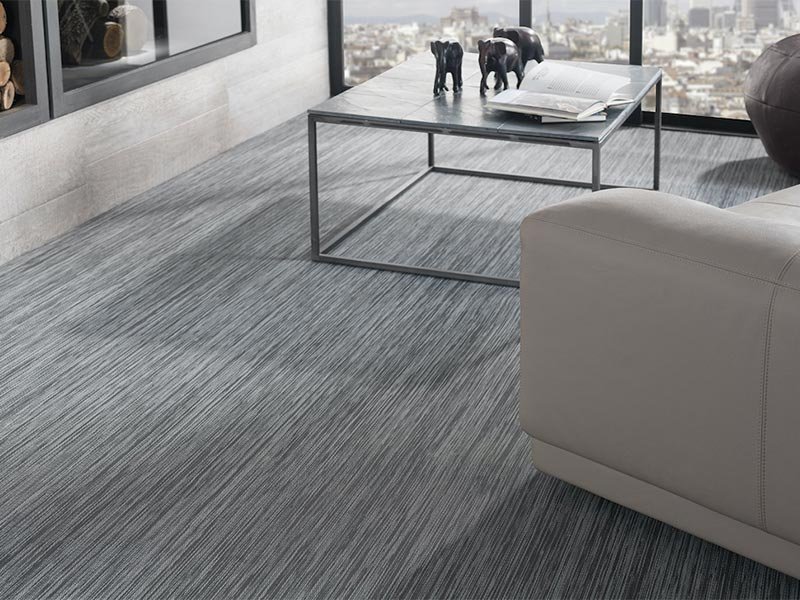
Understanding how these surfaces function helps you make informed decisions about installation, care, and suitability for different spaces. This guide explains the construction, benefits, preparation methods, and long-term considerations associated with vinyl sheets so you can evaluate whether they fit your interior needs from a purely practical and informational perspective.
Explaining the structure of layered resilient surfaces and their core components
Sheet-based resilient surfaces are engineered using multiple layers, each designed to serve a specific function. This layered construction is what gives the material its durability, flexibility, and comfort underfoot.
Most products include:
- A protective wear layer that resists scratches and stains
- A printed design layer that provides realistic textures or patterns
- A cushioning layer for comfort and sound absorption
- A backing layer that stabilizes the material and adheres to the subfloor
These layers work together to create a surface that feels softer than tile or stone yet remains tougher than many traditional options. Because it comes in large rolls, a floor vinyl sheet can cover wide areas with minimal seams, which reduces weak points and enhances durability.
The result is a practical system engineered for longevity rather than a single solid material.
Benefits of seamless installations for hygiene and easy everyday cleaning
One of the most noticeable advantages of sheet formats is the reduction of joints. Fewer seams mean fewer places for dirt, moisture, and bacteria to collect.
This has several hygiene benefits:
- Easier sweeping and mopping
- Less buildup of grime in cracks
- Reduced risk of mold or mildew growth
- Smoother surface for disinfecting
In spaces such as kitchens, healthcare settings, or children’s rooms, this seamlessness simplifies maintenance. Cleaning becomes faster and more effective because there are fewer edges to scrub.
Additionally, the smooth transition between sections creates a visually continuous surface, making rooms appear larger and more cohesive. This aesthetic benefit often complements the practical improvements.
How moisture resistance makes this option suitable for kitchens and bathrooms
Water exposure is one of the biggest challenges for interior surfaces. Spills, humidity, and regular cleaning can damage many traditional materials, causing swelling, staining, or deterioration.
Vinyl sheets are designed to resist these problems. Their non-porous surface prevents liquids from soaking in, which offers:
- Protection against warping
- Reduced risk of mold growth
- Greater longevity in damp environments
- Easier spill cleanup
This makes them especially useful in areas where water contact is frequent. Bathrooms, laundry rooms, and kitchens often benefit from materials that maintain stability even under repeated moisture exposure.
By preventing water infiltration at seams and edges, sheet installations offer an added layer of security compared to segmented flooring types.
Differences between rolls, planks, and tiles in performance and comfort
Resilient surfaces come in several formats, each with distinct characteristics. Understanding their differences helps you choose the most appropriate type for your space.
Rolls (sheet format)
- Fewer seams
- Faster coverage for large rooms
- Better water resistance
- Smooth, continuous appearance
Planks
- Mimic wood textures
- Easier spot replacement
- More visible joints
- Slightly more installation time
Tiles
- Grid-style layouts
- Design flexibility
- Higher number of seams
- May require more maintenance around edges
Comfort levels are similar across formats, but sheet installations often feel more uniform because there are no raised edges between pieces. This consistency enhances walking comfort and reduces tripping hazards.
Subfloor preparation steps that ensure long-lasting and stable results
Preparation is one of the most important stages of any installation. Even the highest-quality material can fail if the base is uneven or contaminated.
Step-by-step preparation process
- Inspect the surface
Look for cracks, bumps, or loose areas that may affect adhesion. - Clean thoroughly
Remove dust, oil, and debris that could prevent bonding. - Level imperfections
Use leveling compounds to create a smooth base. - Check moisture levels
Excess moisture can weaken adhesives and cause lifting. - Apply underlayment if required
This improves stability and comfort. - Allow proper acclimation
Let the material adjust to room temperature before installation.
Careful preparation ensures the sheet lies flat and remains secure for years. Skipping steps often leads to bubbles, wrinkles, or premature wear.
Acoustic and thermal advantages that improve indoor comfort levels
Comfort goes beyond appearance. The feel and sound of a surface can significantly influence how a room functions.
Resilient sheets naturally absorb more sound than hard surfaces like ceramic or stone. This helps reduce echoes and footstep noise, which is particularly beneficial in apartments or offices.
Thermal performance is another advantage. The layered construction:
- Feels warmer underfoot than tile
- Provides slight insulation
- Reduces the need for rugs in some spaces
These features contribute to a more pleasant environment, especially in high-traffic areas where people stand or walk for long periods.
The softer feel also reduces fatigue, making it suitable for kitchens or workspaces where comfort matters.
Maintenance routines that prevent scratches and extend surface lifespan
Long-term performance depends on consistent care. Fortunately, resilient sheets are relatively low maintenance compared to many alternatives.
Recommended routines
- Sweep or vacuum regularly to remove grit
- Mop with mild cleaners instead of harsh chemicals
- Use furniture pads to prevent dents
- Avoid dragging heavy objects
- Clean spills promptly
Periodic inspections help identify early signs of damage. Addressing issues quickly prevents small problems from spreading.
Because the surface is sealed, most dirt stays on top, making cleaning straightforward. With simple upkeep, these floors can maintain their appearance for many years.
Environmental considerations and recyclability of synthetic floor materials
Sustainability has become an important topic in building design. While synthetic materials are sometimes criticized, modern manufacturing has improved their environmental profile.
Many products now include:
- Lower emissions during production
- Reduced volatile organic compounds (VOCs)
- Recyclable content
- Longer life cycles that reduce replacement frequency
Longevity itself contributes to sustainability. A surface that lasts longer generates less waste over time.
When comparing options, it can be helpful to view samples alongside alternatives such as wood-based finishes commonly found in a typical flooring store. Evaluating durability, maintenance needs, and lifespan provides a more complete picture of environmental impact.
Comparing sheet solutions with natural wood flooring aesthetics
Some people prefer the warmth and character of natural materials. Wood surfaces, including styles like parquet, offer distinctive grain patterns and timeless appeal. However, they often require more care and are sensitive to moisture.
Sheet vinyl approaches design differently. Instead of relying on solid wood, it uses printed layers to replicate textures and colors. This allows:
- Consistent patterns
- Lower susceptibility to water damage
- Easier maintenance
- Greater flexibility in design choices
While authentic wood delivers natural variation, resilient sheets provide practicality and stability. The choice often depends on whether visual authenticity or functional resilience is the top priority.
Understanding these trade-offs helps match the surface to the room’s specific needs rather than relying solely on appearance.
Conclusion
Sheet-based resilient flooring combines layered engineering, seamless installation, and low maintenance into a versatile solution for modern interiors. Its resistance to moisture, comfort underfoot, and straightforward care routines make it suitable for a wide range of environments. By understanding its structure, preparation requirements, and long-term performance, you can evaluate whether this option aligns with your practical and design expectations.
FAQs
What makes sheet formats different from plank alternatives?
Sheet formats have fewer seams, offering better moisture resistance and easier cleaning compared to individual planks.
Is this surface suitable for high-traffic commercial areas?
Yes, its durable wear layer and seamless design help it withstand heavy foot traffic with minimal damage.
How do you prevent bubbling or lifting after installation?
Proper subfloor preparation, moisture control, and correct adhesive application are essential.
Can it be installed over existing floors safely?
In some cases, yes, provided the existing surface is smooth, stable, and clean, though preparation is still necessary.
How long does it typically last with proper care?
With regular maintenance and correct installation, it can perform well for many years before replacement is needed.
