
Wood flooring adds elegance, warmth, and long-term value to any home, but maintaining its beauty requires proper care and periodic restoration. In Dubai’s unique climate, where air conditioning, dust, and fluctuating indoor humidity levels can affect natural wood surfaces, floor sanding and refinishing play a crucial role in preserving hardwood floors. These professional restoration techniques remove scratches, stains, dull finishes, and signs of wear while restoring the original character and appearance of the wood. Whether you own solid hardwood, engineered wood, or premium parquet flooring, understanding the sanding and refinishing process can help extend the lifespan of your investment and keep your floors looking exceptional for years. This guide explores everything Dubai homeowners need to know about professional wood floor sanding and refinishing, including the benefits, process, costs, maintenance requirements, and how to choose the right specialists for outstanding results in residential spaces.
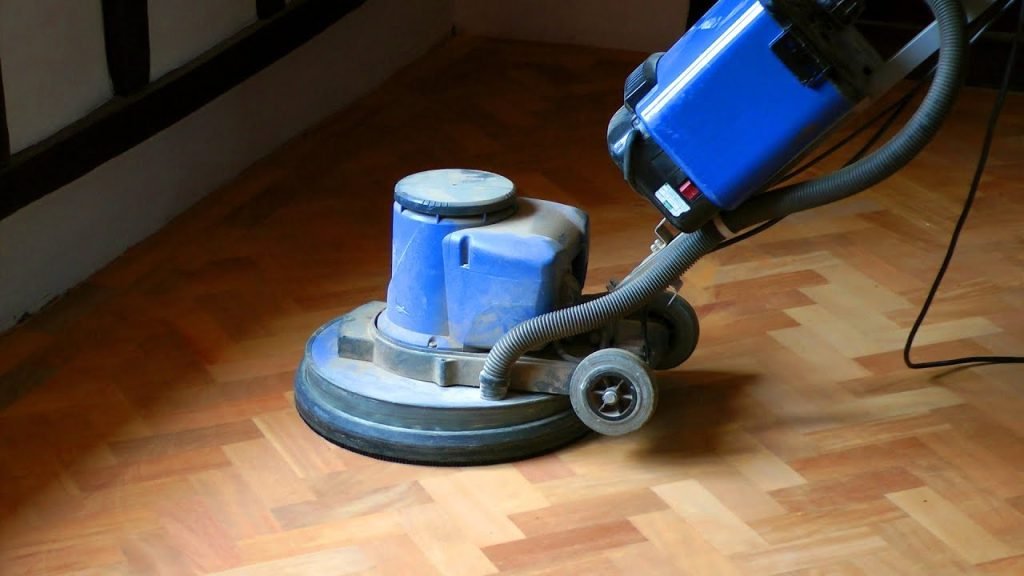
Dustless Wood Floor Refinishing in Dubai: Sanding, Dust Control and Finish Preparation
Dustless sanding is an important consideration when carrying out wood floor refinishing in occupied Dubai homes, particularly where air-conditioning systems can redistribute fine particles during renovation. Professional sanding equipment connected to high-efficiency vacuum extraction can substantially reduce airborne wood dust and simplify post-work cleaning, although the level of dust control depends on the equipment, setup, and site conditions.
Before refinishing, the contractor should assess the existing floor, finish condition, and whether the boards are suitable for sanding. This is especially important for engineered wood, where the thickness of the real-wood wear layer determines how much material can safely be removed.
For homeowners comparing restoration with replacement, reviewing the available wooden flooring options can help determine whether refinishing is appropriate. Professional floor sanding services should also include suitable dust extraction, edge sanding, surface preparation, and finishing rather than treating sanding as an isolated step.
Wood Floor Refinishing Cost in Dubai: What Determines the Price?
The cost of wood floor refinishing in Dubai is usually influenced by the floor area, existing finish, level of surface damage, required sanding depth, repairs, staining, edge work, and the type and number of protective finish coats. Per-square-meter pricing can provide a straightforward basis for standard projects, while more complex restoration work may require a site-specific quotation. Homeowners should check whether the quoted price includes surface preparation, sanding, crack or gap repairs, staining, dust extraction, and final finishing, because excluding these items can make apparently cheaper quotations difficult to compare.
The condition and construction of the floor also matter: solid hardwood may have greater sanding potential than some engineered floors, while severely worn surfaces can require additional preparation. For context, clients considering restoration can review the specifications and installation approach used for hardwood flooring in Dubai before deciding whether refinishing or replacement offers better value. A professional assessment is the most reliable way to establish the actual project scope and final cost.
Deep Sanding or Screening? Choosing the Right Wood Floor
Deep sanding and light screening are different restoration methods, and selecting the correct one depends on the condition of the existing wood floor. Full sanding removes the worn finish and a controlled amount of the wood surface to address deeper scratches, staining, uneven wear, and significant finish deterioration before a new stain or protective coating is applied.
Screening is less aggressive: it abrades the existing finish to improve adhesion for a new coat when the underlying wood remains sound and major defects do not need to be removed. In Dubai homes, the decision should also consider moisture-related movement, previous repairs, board stability, and the construction of the floor.
Engineered wood requires particular care because excessive sanding can expose the core once the usable wear layer is depleted. Where the floor is structurally sound but simply worn, refinishing may extend its service life; where boards have severe movement or damage, replacement may be more appropriate. Regular floor maintenance can help delay the need for more aggressive restoration.
Staining: Solid Color vs. Natural Look
Wood floor staining allows homeowners to customize the appearance of their flooring while enhancing the grain and character of the wood. Solid-color stains create a more dramatic visual effect by significantly altering the floor’s original appearance. Dark walnut, ebony, gray, and rich brown tones are popular choices for contemporary interiors.
Natural-look stains, however, are designed to preserve the wood’s authentic color while highlighting its texture and grain patterns. This approach creates a brighter, more timeless appearance that complements many interior design styles.
In Dubai homes, natural finishes are often preferred because they help reflect light and make spaces feel larger and more open. Solid stains can provide a luxurious and sophisticated atmosphere but may reveal dust and scratches more easily. The choice ultimately depends on personal preference, interior décor, and maintenance expectations. Professional staining samples should always be tested before final application to ensure the selected color achieves the desired aesthetic outcome.
Filling Cracks: Wood Putty vs. Epoxy Resin
Cracks, gaps, and minor imperfections are common issues encountered during wood floor restoration. Two popular repair materials are wood putty and epoxy resin, each serving different purposes. Wood putty is flexible, easy to apply, and suitable for filling small cracks, nail holes, and minor surface defects. It can often be stained to blend with the surrounding wood, making repairs less noticeable. Epoxy resin, by contrast, provides a stronger and more durable solution for larger gaps, structural cracks, or damaged sections of flooring. Once cured, epoxy creates a hard, stable bond that resists movement and wear. In Dubai’s climate, where temperature fluctuations and indoor humidity changes can affect wood expansion and contraction, epoxy is often recommended for substantial repairs requiring long-term stability.
Professional floor refinishers evaluate crack size, floor movement, and aesthetic requirements before selecting the most suitable filler. Proper crack repair improves both appearance and overall floor durability.
Number of Coats for UAE UV Protection
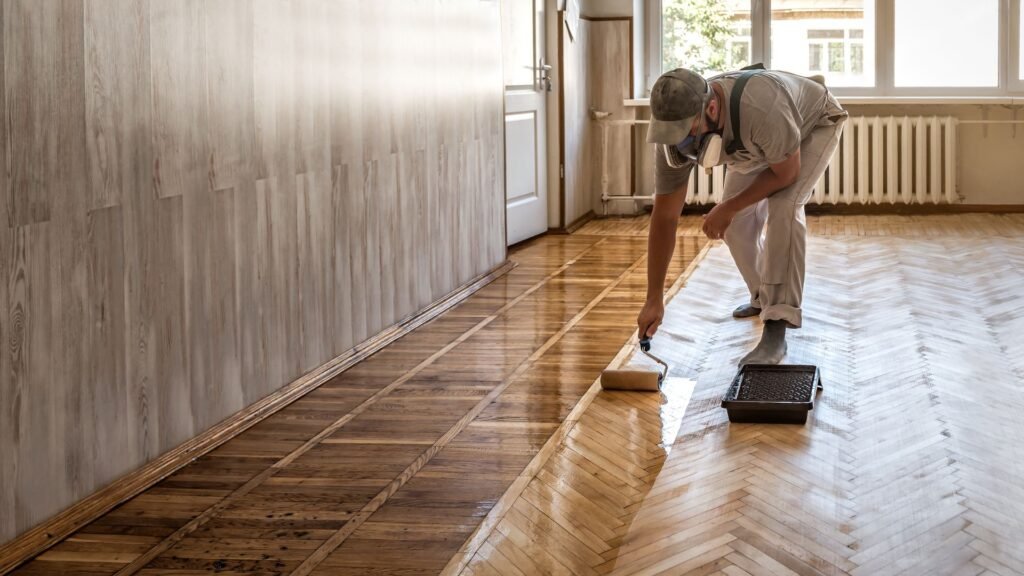
Protective finish coats are essential for preserving wood floors against daily wear, moisture exposure, and ultraviolet radiation. In the UAE, intense sunlight entering through large windows can accelerate fading and discoloration, making UV-resistant finishes particularly important. Most professional refinishing projects include a minimum of three coats of high-quality polyurethane or water-based finish.
The first coat seals the wood, while additional coats build durability and enhance protection. For rooms with significant sun exposure, contractors may recommend four or even five coats combined with UV-blocking formulations to maximize resistance against fading. Additional layers also improve scratch resistance and extend maintenance intervals.
However, applying excessive coats without proper curing can affect adhesion and performance. Professional refinishing specialists carefully balance durability and appearance based on the floor’s location and expected traffic levels. Investing in adequate UV protection helps maintain the floor’s original beauty and reduces the frequency of future restoration work.
Gym Floor Refinishing for Extra Durability
Gymnasium wood floors experience far greater stress than typical residential flooring, requiring specialized refinishing techniques to maintain performance and safety. Frequent foot traffic, sports equipment, impact forces, and regular cleaning place significant demands on the floor surface.
During gym floor refinishing, contractors typically perform deep sanding to remove wear patterns, followed by the application of highly durable sport-grade finishes. These coatings are specifically formulated to resist abrasion, scuff marks, and repeated mechanical stress. Court markings and game lines are often repainted before final protective coats are applied.
In Dubai’s schools, fitness centers, and sports facilities, proper refinishing helps maintain consistent traction and player safety while preserving the floor’s appearance. Additional finish layers may be used to extend service life and reduce maintenance frequency. Regular inspections and scheduled recoating programs are critical for preventing excessive wear and avoiding costly full-floor replacements in high-performance athletic environments.
How to Identify Asbestos Mastic in Old Dubai Buildings
Older buildings undergoing floor renovation may contain adhesive materials known as mastic beneath previous flooring installations. In some historical construction projects worldwide, certain mastics contained asbestos fibers to improve durability and heat resistance. Because asbestos exposure can present serious health risks, identification should always be handled carefully. Visual inspection alone is not sufficient to confirm the presence of asbestos. Dark-colored or black adhesive residues beneath old wood, vinyl, or tile flooring may warrant further investigation, particularly in buildings constructed decades ago.
Professional asbestos testing involves laboratory analysis of material samples collected under controlled conditions. Homeowners and contractors should never sand, scrape, or disturb suspicious materials without proper assessment.
In Dubai, renovation projects involving older structures should follow applicable health and safety guidelines when unknown flooring adhesives are encountered. Early identification and professional testing help ensure safe renovation practices while protecting occupants and workers from unnecessary exposure to potentially hazardous materials.
Drying and Curing Times Before Moving Back
Understanding the difference between drying and curing is essential after a floor refinishing project. Drying occurs when the finish becomes touch-safe and no longer feels wet, while curing is the longer process during which the coating reaches its maximum hardness and durability. Depending on the finish type, floors may be safe for light foot traffic within 24 to 48 hours.
However, furniture replacement, heavy use, and rug installation often require additional waiting periods. Water-based finishes generally dry faster than oil-based products, but both require adequate curing time for optimal performance.
In Dubai’s climate-controlled indoor environments, temperature, humidity, and ventilation significantly influence drying rates. Most professionals recommend waiting several days before moving furniture back and up to a few weeks before placing area rugs. Following manufacturer recommendations is critical to avoid dents, scratches, or finish damage. Allowing sufficient curing time ensures the refinished floor achieves its intended appearance, durability, and long-term performance.
FAQs
Q1: What is wood floor refinishing?
A: Wood floor refinishing restores an existing wood floor by preparing the surface, sanding or screening as required, repairing minor defects, and applying a new protective finish. Staining can also be added when a colour change is required.
Q2: How often should wood floors be refinished?
A: There is no fixed interval. Refinishing depends on traffic, finish wear, scratches, maintenance, and the type of wood floor. A professional assessment is preferable to refinishing simply because a certain number of years has passed.
Q3: Can engineered wood floors be refinished?
A: Some engineered wood floors can be refinished, but the usable real-wood wear layer must be thick enough for the required sanding. Thin-veneer engineered flooring may only be suitable for screening and recoating.
Q4: What is the difference between sanding and screening?
A: Sanding removes the existing finish and a controlled layer of wood to correct deeper wear and damage. Screening lightly abrades the existing finish and is generally used when the wood itself remains in good condition.
Q5: What affects wood floor refinishing cost in Dubai?
A: Main factors include floor area, floor construction, existing finish, damage level, sanding requirements, repairs, staining, edge work, number of finish coats, and site access. A site inspection provides a more reliable quotation than area alone.
Q6: Does wood floor refinishing create a lot of dust?
A: Sanding produces wood dust, but professional dust-extraction equipment can substantially reduce its spread. The actual level of dust depends on the sanding equipment, extraction system, site preparation, and floor condition.
Q7: Can scratches and stains be removed through refinishing?
A: Many surface scratches, worn finishes, and some stains can be removed through sanding. Deep damage, board movement, moisture-related defects, or damage extending into the wood may require repairs or board replacement.
Q8: Is staining necessary when refinishing a wood floor?
A: No. A floor can be refinished with a clear protective finish to preserve its existing appearance, or stained if the homeowner wants to change or deepen the colour. Samples should be tested before full application.
Q9: How long does wood floor refinishing take?
A: Project duration depends on floor area, sanding requirements, repairs, finish type, and curing time between coats. The contractor should provide a project-specific schedule after inspecting the floor.
Q10: Is wood floor refinishing suitable for Dubai homes?
A: Yes, provided the existing floor is suitable for restoration and moisture, board stability, and indoor environmental conditions are assessed beforehand. Proper preparation and compatible finishing products are important for maintaining the restored surface in Dubai’s climate.
