
Oman, a country known for its rich heritage and deep-rooted traditions, has a long and fascinating history of carpet making that dates back several centuries. Carpets Oman were initially a necessity, serving practical purposes such as providing warmth and comfort in homes and tents. Over time, they evolved into intricate art forms reflecting the culture, lifestyle, and social values of the Omani people. The origins of Omani carpets are closely tied to trade, as Oman historically lay on vital trade routes connecting the Middle East, India, and Persia. Through these routes, Omanis were exposed to Persian and Indian weaving techniques and designs, which they adapted and transformed to create a unique local style.
The role of carpets Omani homes and public spaces cannot be overstated. They were, and still are, integral to the interior décor of palaces, mosques, and ordinary homes. Carpets were often used in majlis—the traditional seating area where families and guests gather—highlighting their importance in hospitality and social gatherings. In addition to their practical uses, carpets also held symbolic significance. Certain patterns and motifs represented tribal identity, social status, and even family history. Omani carpets were more than mere furnishings; they were storytellers, conveying the values, beliefs, and artistic expression of the weaver.
Carpet-making skills in Oman were traditionally passed down from one generation to the next, often taught within families. Women played a particularly significant role in weaving, meticulously creating patterns by hand over several weeks or even months. Each carpet was unique, with individual touches and regional characteristics that reflected the local culture. Over the years, the art of carpet weaving in Oman has faced challenges due to modernization and the introduction of machine-made carpets. Nevertheless, efforts to preserve these traditions continue, ensuring that the historical and cultural legacy of Omani carpets remains alive for future generations.
Today, Omani carpets are highly regarded both locally and internationally. They are sought after not only for their aesthetic appeal but also for their historical value. Collectors and enthusiasts recognize the craftsmanship and cultural heritage embedded in each piece, making Omani carpets a cherished part of Oman’s identity. The journey of Omani carpets, from practical necessity to artistic expression, demonstrates the country’s ability to blend tradition with innovation, preserving a rich cultural heritage while adapting to modern tastes.
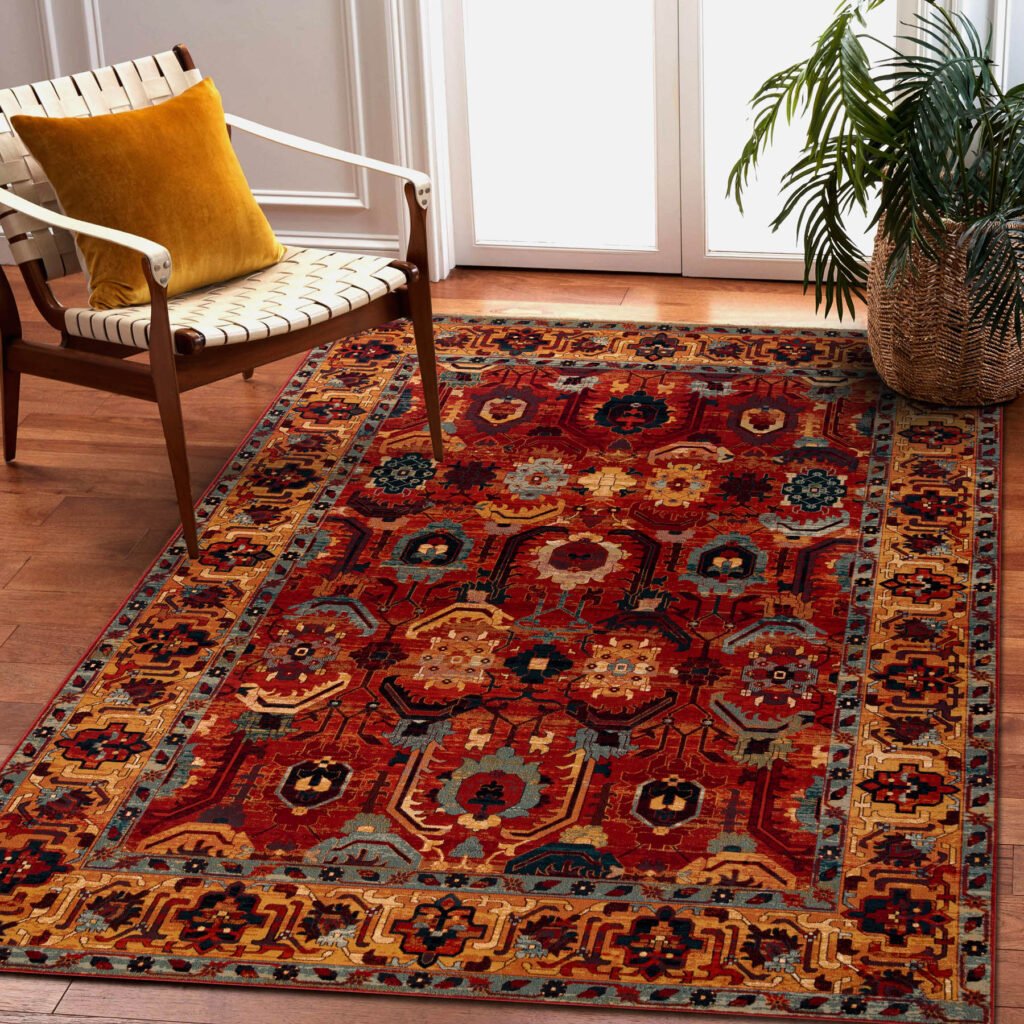
Premium Quality Carpets in Oman
Carpets Oman has thousands of yard of all kinds of carpets in stock. Our showroom displays hundreds of carpets samples in a wide range of colors and shades. We have the premium quality carpets available at the most competitive prices you can find in the market.
If you are looking to freshen up the interior of your room or completely makeover your home we have the carpets that will bring life to every space. With a huge selection of patterns, colors and designs that are easy on your pocket, you are destined to find the carpet Oman according to your needs and taste.
Traditional Omani Carpet Designs
Traditional Omani carpets are celebrated for their intricate designs and symbolic motifs, which distinguish them from other regional styles. The patterns of these carpets are more than mere decoration—they tell stories, convey heritage, and reflect the rich cultural fabric of Oman. These designs are typically influenced by nature, tribal symbols, and geometric shapes, often incorporating a combination of bright and earthy colors to create a visually stunning effect. The diversity of motifs reflects the regional differences within Oman, as each area developed its own distinct carpet-making style over generations.
In regions such as Muscat, carpets often feature symmetrical geometric patterns, with repeating diamond or hexagonal shapes that create a sense of harmony and balance. Nizwa carpets, on the other hand, are renowned for their bold tribal motifs and vivid color contrasts. In the southern Dhofar region, weavers traditionally use floral patterns and softer tones, inspired by the natural environment and the region’s historical trade with India and Africa. These regional distinctions make each Omani carpet unique, showcasing the country’s diverse cultural influences.
Colors play a significant role in Omani carpet design. Reds, blues, and browns are commonly used, often derived from natural dyes made from plants, roots, and minerals. Each color has a symbolic meaning; for example, red may signify protection or vitality, while blue often represents spirituality or peace. The meticulous selection of colors demonstrates the weaver’s artistic intention and cultural knowledge, ensuring that each carpet is not only beautiful but also meaningful.
Carpet motifs in Oman often carry symbolic significance. Triangles, diamonds, and zigzag patterns can represent protection, fertility, or unity within a community. Floral and vine designs, inspired by local flora, are symbols of growth, prosperity, and harmony with nature. Tribal patterns may indicate the weaver’s lineage or regional affiliation, serving as a form of identity that connects the carpet to its place of origin. These symbols, combined with expert craftsmanship, make Omani carpets a reflection of the country’s cultural depth.
In addition to traditional motifs, some carpets incorporate religious and spiritual elements, such as prayer patterns or designs used in mosques. These carpets are often highly detailed, with symmetrical layouts and precise geometry that aid in creating a serene and sacred environment. Today, while modern tastes and global influences have introduced new patterns and color combinations, traditional Omani carpet designs continue to be highly valued. They remain a testament to the country’s artistic heritage, blending aesthetic appeal with cultural storytelling, and preserving a centuries-old craft that is still celebrated in Omani homes and markets.
Materials and Techniques Used in Omani Carpets
The exceptional quality and durability of Omani carpets are a result of the high-quality materials and meticulous techniques used in their creation. Traditional carpets are primarily made from natural fibers such as wool, silk, and cotton. Wool is the most commonly used material due to its strength, softness, and warmth, making it ideal for both decorative and functional purposes. High-quality wool is often sourced from local sheep, and the fibers are carefully cleaned, carded, and spun by hand to ensure uniformity and resilience.
Silk, though less common, is highly prized for its sheen and luxurious texture. Silk carpets are often used in more ceremonial or decorative settings, including royal palaces and mosques. Cotton is frequently used for the foundation of the carpet, providing a stable base that supports the wool or silk pile. The combination of these materials allows Omani carpets to maintain their shape, texture, and vibrant colors for decades, even under heavy use.
Dyes play a crucial role in defining the beauty of Omani carpets. Traditionally, natural dyes were derived from plants, roots, berries, and minerals, producing a rich palette of colors ranging from deep reds and blues to soft yellows and greens. These dyes are often prepared using time-honored techniques, including fermentation and repeated washing, to ensure that the colors are long-lasting and resistant to fading. Modern Omani carpet makers may also use synthetic dyes to achieve brighter shades, but many artisans continue to favor natural dyes for their authenticity and subtle variation.
The weaving process is another vital aspect of Omani carpet craftsmanship. Hand-knotting is the most common technique, where each knot is tied individually to create a dense and durable pile. The number of knots per square inch often indicates the quality and intricacy of the carpet; higher knot density allows for more detailed patterns and finer designs. Some carpets are woven using a flat-weave technique, producing thinner, reversible rugs that are easier to handle and maintain. The choice of technique depends on the intended use and design complexity of the carpet.
In addition to the materials and techniques, attention to detail is what sets Omani carpets apart. Artisans meticulously align patterns, balance colors, and ensure consistency throughout the carpet. Each piece is a labor of love, taking weeks or even months to complete, depending on its size and intricacy. This dedication to quality results in carpets that are not only visually stunning but also durable, often lasting for generations.
The combination of premium materials, natural dyes, and expert handcrafting techniques ensures that Omani carpets are not merely functional items but works of art. They reflect the rich heritage of Oman, the skill of its artisans, and the enduring value of traditional craftsmanship in a modernizing world. Whether used for decoration, prayer, or cultural ceremonies, these carpets embody both beauty and utility, making them a cherished part of Omani life.
The Role of Carpets in Omani Culture and Lifestyle
Carpets hold a central place in Omani culture and lifestyle, symbolizing hospitality, social identity, and artistic heritage. Traditionally, Omani homes feature a majlis, a dedicated seating area where family members and guests gather. Carpets play a key role in these spaces, providing comfort and warmth while serving as decorative elements that reflect the homeowner’s taste and social status. The intricate patterns and vibrant colors of the carpets create a welcoming and aesthetically pleasing environment, making them essential in the practice of Omani hospitality.
Hospitality is deeply ingrained in Omani culture, and carpets often act as the backdrop for social interactions. Guests are received on carpeted floors, with cushions and traditional seating arranged around the space. The choice of carpet is important, as it conveys respect and care for the visitors. In many cases, family heirloom carpets are displayed during special occasions, demonstrating pride in one’s heritage and craftsmanship. Carpets are also used in weddings, religious ceremonies, and other cultural events, highlighting their symbolic significance beyond mere decoration.
Carpets also reflect social and economic status in Omani society. High-quality carpets made from fine wool or silk are considered luxury items, often displayed prominently in homes. Tribal patterns and regional designs may indicate the origin of the family or their cultural affiliations. These carpets are not only functional but also carry meaning, connecting individuals to their community and traditions. They serve as a bridge between generations, preserving cultural narratives through the artistry of weaving.
In addition to their cultural and social functions, carpets contribute to the aesthetic and spiritual ambiance of a home. Many Omani households use carpets in prayer areas, providing a clean and comfortable space for daily rituals. The patterns and designs in these carpets often include symbolic elements, such as geometric shapes and floral motifs, which enhance the spiritual experience. Carpets are also appreciated for their sensory qualities, including texture, warmth, and visual appeal, which contribute to the overall comfort of the living space.
Despite modernization and the rise of contemporary interior design trends, carpets continue to hold a significant place in Omani households. Traditional weaving techniques and patterns are still valued, and many families maintain collections of carpets that have been passed down for generations. Modern homes may blend traditional and contemporary designs, using carpets as focal points or complementary accents. This fusion of old and new demonstrates the adaptability of Omani carpets and their enduring relevance in daily life.
Through their presence in homes, public spaces, and cultural events, carpets in Oman serve as more than decorative items; they are symbols of identity, heritage, and social values. They reflect the artistry and dedication of Omani craftsmen, the importance of hospitality, and the connection between past and present. In this way, carpets remain integral to the lifestyle and culture of Oman, embodying both tradition and beauty in everyday life.
Carpet Markets and Shopping in Oman
Oman offers a vibrant and diverse market for carpets, attracting both locals and tourists who seek authentic craftsmanship and unique designs. The country’s markets, known locally as souqs, are renowned for their variety of handwoven carpets, ranging from traditional tribal designs to modern contemporary pieces. These markets not only provide a shopping experience but also offer insights into the rich cultural heritage and artisanal skills of Omani weavers.
One of the most famous carpet destinations in Oman is the Mutrah Souq in Muscat. This bustling market is a favorite among visitors, offering a wide range of carpets in different sizes, colors, and materials. Shoppers can find both new and antique carpets, with options crafted from wool, silk, or cotton. The Mutrah Souq is particularly known for its selection of intricately patterned carpets featuring geometric and floral motifs, representing various regions of Oman. Visitors can explore narrow alleyways filled with small shops, each presenting a unique collection that reflects the artisan’s creativity and expertise.
Another prominent location is the Nizwa Souq, which is celebrated for its traditional Omani carpets, often made with tribal motifs and vibrant colors. The Nizwa region has a long-standing reputation for carpet weaving, and many families continue to produce carpets using time-honored techniques passed down through generations. Shoppers in Nizwa can observe the weaving process firsthand, gaining an appreciation for the craftsmanship and dedication involved in creating each piece. This market also allows buyers to negotiate prices, a customary practice that is part of the cultural experience.
In Salalah and the Dhofar region, carpets often feature softer colors and floral patterns inspired by the local environment. Markets here cater to those seeking distinctive designs that reflect the southern part of Oman. Shoppers can find carpets that blend traditional techniques with contemporary styles, suitable for modern interiors while retaining cultural authenticity.
When purchasing carpets in Oman, several factors influence the price, including the material, size, knot density, and complexity of the design. Hand-knotted carpets are generally more expensive due to the labor-intensive process, while machine-made or flat-weave carpets are more affordable. Buyers are encouraged to verify the authenticity of the carpets and understand the origin of the designs to ensure they are investing in genuine Omani craftsmanship.
In addition to traditional souqs, modern retail stores and online platforms now offer Omani carpets to a global audience. These stores often provide a curated selection of carpets, with detailed descriptions of materials, patterns, and cultural significance. While shopping online provides convenience, visiting a traditional souq remains a culturally immersive experience, allowing buyers to engage with artisans, learn about regional differences, and witness the artistry behind each carpet.
Oman’s carpet markets not only facilitate commerce but also play a vital role in preserving cultural heritage. By supporting local weavers and artisans, shoppers contribute to the continuity of traditional practices while acquiring beautiful, handcrafted pieces that embody Oman’s rich artistic legacy. Whether in bustling souqs or modern stores, purchasing an Omani carpet is both an investment in art and a celebration of culture.
Modern Trends in Omani Carpets
While traditional designs remain highly valued, modern trends have increasingly influenced Omani carpet making, creating a dynamic blend of heritage and contemporary style. Today’s carpet market in Oman reflects both global influences and local innovation, as artisans experiment with new patterns, materials, and color schemes while maintaining respect for time-honored techniques. This evolution allows carpets to remain relevant in modern interiors while preserving their cultural significance.
One notable trend is the incorporation of contemporary designs alongside traditional motifs. Many weavers are blending geometric patterns with abstract shapes, creating carpets that appeal to younger generations and international buyers. This fusion allows the carpets to fit seamlessly into modern homes, hotels, and offices, while still showcasing the craftsmanship and heritage of Omani weaving. Designers are increasingly offering custom-made carpets, allowing clients to choose colors, patterns, and sizes that suit their personal tastes and interior décor.
Luxury hotels and upscale residential projects in Oman have contributed to the popularity of high-end carpets. Interior designers often select Omani carpets for their elegance, durability, and cultural authenticity. In addition to enhancing the aesthetic appeal of spaces, these carpets serve as conversation pieces, reflecting the country’s artistic legacy. This trend has also encouraged local artisans to elevate their craft, focusing on precision, detail, and innovation to meet the expectations of discerning clients.
Global trends, including minimalism and eco-conscious design, have also influenced the carpet industry in Oman. Some artisans are experimenting with sustainable materials, such as organic wool and plant-based dyes, appealing to environmentally conscious consumers. Additionally, contemporary color palettes, including muted neutrals and pastel shades, are being incorporated into traditional designs, offering a fresh perspective on classic patterns. This combination of sustainability and innovation aligns with global market demands while preserving the essence of Omani craftsmanship.
Another modern development is the rise of digital technology in carpet design and marketing. Artisans can now use software to visualize patterns and create intricate designs before weaving. Online platforms allow buyers from around the world to access Omani carpets, expanding the market beyond local boundaries. Despite these technological advancements, handwoven carpets continue to hold a special place, as the unique touch of a skilled artisan cannot be replicated by machines.
The blending of traditional craftsmanship with modern trends ensures that Omani carpets remain relevant and highly valued. They are no longer confined to cultural or historical settings but are embraced as versatile design elements that complement contemporary interiors. This evolution demonstrates the adaptability and creativity of Omani artisans, preserving the heritage of carpet weaving while responding to the changing tastes and demands of the modern world.
Caring for and Preserving Omani Carpets
Omani carpets are treasured for their craftsmanship, beauty, and cultural significance. Proper care and maintenance are essential to preserve their quality and extend their lifespan. Whether displayed in homes, offices, or ceremonial spaces, carpets require careful attention to protect them from wear, damage, and environmental factors that can compromise their appearance and durability.
Regular cleaning is crucial for maintaining Omani carpets. Vacuuming gently on a low setting removes dust and debris that can accumulate in the fibers, preventing deterioration. Avoiding harsh chemicals is essential, as they can damage natural dyes and fibers. For stains or spills, immediate blotting with a clean, dry cloth is recommended, followed by professional cleaning if necessary. Many traditional Omani carpets, particularly those made of wool or silk, benefit from specialized cleaning methods performed by skilled professionals familiar with their delicate materials.
Rotation is another important practice. Rotating carpets every few months ensures even wear, especially in high-traffic areas. This simple step helps prevent uneven fading and maintains the structural integrity of the weave. Placing carpets on clean, dry surfaces and using underlays can also provide protection against moisture and friction, reducing the risk of damage to both the carpet and the floor beneath.
For antique or heirloom carpets, professional restoration is often necessary. Restoration specialists can repair worn areas, reinforce weak fibers, and restore colors without compromising the authenticity of the design. Proper storage is equally important for carpets not in regular use. They should be rolled, not folded, and stored in a dry, cool environment to prevent mold, mildew, and insect infestations. Using breathable fabric covers rather than plastic ensures adequate ventilation while protecting the carpet from dust.
Preserving Omani carpets also involves maintaining an awareness of environmental factors. Direct sunlight can fade colors, while excessive humidity can weaken fibers. Using curtains or blinds to shield carpets from sunlight and controlling indoor humidity levels are effective preventive measures. Additionally, carpets should be kept away from pets or sources of heavy dirt to minimize wear and staining.
Beyond physical care, preserving the cultural significance of Omani carpets is essential. Supporting local artisans, purchasing authentic handwoven pieces, and learning about the history and symbolism of each design help sustain the traditional craft. Families often pass carpets down through generations, ensuring that the art form and its associated cultural knowledge endure over time.
By combining proper care, professional restoration, and cultural appreciation, Omani carpets can remain beautiful, functional, and meaningful for many decades. They are not only decorative items but also carriers of history, artistry, and heritage. Maintaining these carpets allows individuals to honor Omani craftsmanship, preserve cultural identity, and enjoy the lasting beauty of these exceptional handwoven treasures.
We have various kinds of carpets such as;
- Office Carpets
Our range of office carpets includes office carpet tiles and rugs with optimal durability and elegance that come in a wide variety of different styles, shades, and piles weights. Carpets, can also be custom-made for your office space through our bespoke service. All our office carpets Oman are rigorously tested and ensure longevity, safety and complement the interior of any workspace.
- Mosque Carpets
We are among one of the largest importers of mosque carpets Oman. We provide broadloom prayer carpets that have individual shapes and are 100% heat set Polypropylene. Mosque carpet Oman can be easily installed in both huge mosques and small prayer areas. Carpets provide you the best quality prayer mehrab at friendly prices.
- Sisal Carpets
Sisal carpets Oman are manufactured from super tough and eco-friendly fiber that is fashionable, hard wearing and practical. Sisal carpets are stylish, durable and an ideal choice for a home where aesthetic pleasure with practicality are desirable. You can create a serene and earthy feel in your living space with our sisal carpets for sale Oman. Our carpets are expertly crafted by skilled professionals to add a carefree vibe to any home.
- Stairway Carpet
Whether you want to choose by width, by length, by material, or by style, our large collection of stairway carpets Oman are the easiest to navigate. Stairway carpets can be easily customized to meet the needs and requirements. Our company has been producing quality and beautiful stairway carpets for more than 10 years. Our carpets Oman not only protect the stairs but also provide style and comfort with good looks.
- Wall-to-wall Carpets
Carpets for sale Oman provide cozy and soft comfort over every inch of space. Especially in the winter months, wall to wall carpets Oman make the entire room feel warmer and are also very comfortable under feet. For large scale projects with big design ambitions or large surfaces, wall-to-wall carpets Oman can be the ideal choice.
Conclusion
Omani carpets are much more than decorative floor coverings—they are a symbol of heritage, artistry, and cultural pride. Their history spans centuries, reflecting the influence of trade, regional traditions, and the meticulous craftsmanship of generations of Omani weavers. From intricate tribal patterns to modern contemporary designs, these carpets embody the country’s rich cultural tapestry, serving both functional and aesthetic purposes in homes, mosques, and public spaces.
The unique materials, natural dyes, and labor-intensive techniques used in Omani carpet making ensure durability, quality, and artistic value. Carpets play an integral role in Omani culture, from social gatherings in majlis to ceremonial occasions, symbolizing hospitality, social status, and identity. Markets and souqs across Oman showcase the diversity and beauty of these handcrafted pieces, offering both local and international buyers the opportunity to acquire authentic treasures.
The most important frequently asked questions about Carpets Oman
What types of carpets are popular in Oman?
Oman is known for traditional Omani rugs, Persian-style carpets, Turkish carpets, and modern machine-made carpets. Tribal and handwoven designs are highly valued.
Are there traditional Omani carpets?
Yes, Omani carpets often feature tribal patterns and vibrant colors, reflecting the heritage of Oman’s regions.
What materials are Omani carpets made of?
Wool is most common for handwoven carpets, followed by silk and cotton. Synthetic fibers are used for machine-made carpets.
How do I clean my carpet?
Regular vacuuming is essential. For stains, spot cleaning with mild detergent works. Professional cleaning is recommended for delicate or handmade carpets.
