
When it comes to protecting and enhancing parking areas and rooftops in Dubai, choosing the right flooring system is essential. The city’s extreme temperatures, intense UV exposure, heavy vehicle traffic, and occasional moisture challenges demand surfaces that are both durable and visually appealing. Two of the most popular modern solutions are epoxy flooring and microtopping, each offering unique advantages for residential, commercial, and industrial applications.
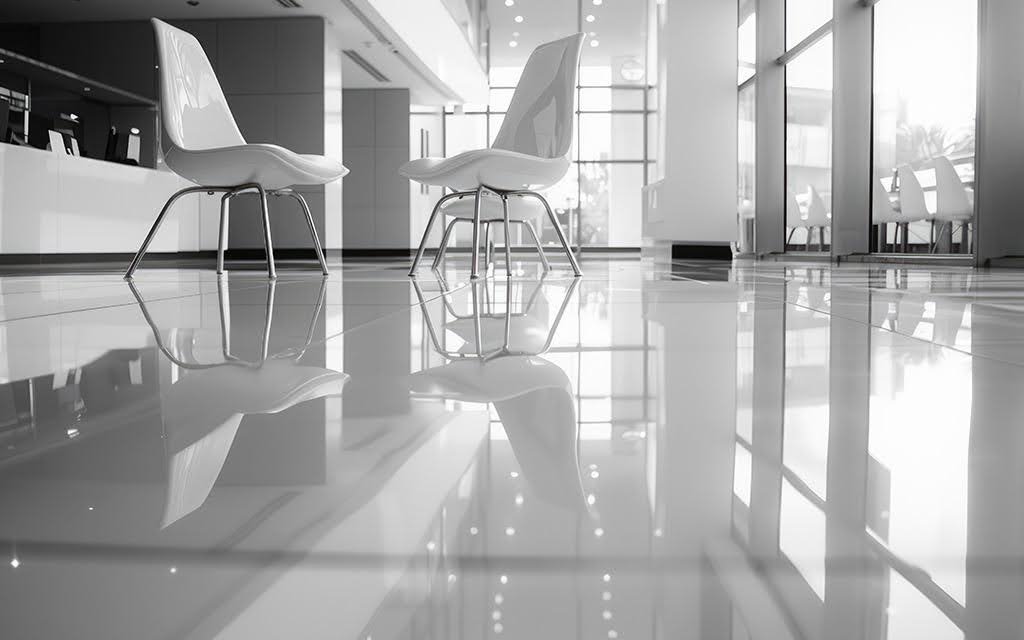
Epoxy flooring is widely known for its exceptional strength, chemical resistance, and seamless finish, making it a preferred choice for high-traffic parking facilities. Microtopping, on the other hand, provides a contemporary decorative appearance with a thinner application that can transform existing concrete surfaces without extensive reconstruction.
Understanding the differences between these systems is crucial for property owners seeking long-term performance and value. This comparison explores the key features, benefits, maintenance requirements, and suitability of epoxy flooring and microtopping for Dubai’s demanding climate, helping you determine which solution is the better investment for your parking areas and rooftops.
UV Stability: Why Epoxy Yellows and Microtopping Doesn’t
One of the biggest differences between epoxy flooring and microtopping in Dubai’s climate is their reaction to ultraviolet (UV) radiation. Traditional epoxy coatings are highly durable and resistant to wear, but prolonged exposure to direct sunlight can cause discoloration and yellowing over time. This occurs because UV rays break down certain chemical bonds within the epoxy resin, affecting both appearance and surface clarity.
Parking decks with open sides and rooftop installations are especially vulnerable to this issue. Microtopping, however, is a cement-based decorative coating that is inherently more resistant to UV degradation. Its pigments remain stable under intense sunlight, helping the surface maintain its original color and texture for many years.
While UV-resistant polyurethane topcoats can improve epoxy performance outdoors, they add cost and maintenance requirements. For projects where color consistency and long-term visual appeal are priorities, microtopping often provides a more reliable solution in Dubai’s harsh sun exposure conditions.
Heat Resistance for Parking Levels vs. Rooftops
Dubai’s extreme summer temperatures place significant stress on flooring systems, particularly in parking structures and rooftop environments. Parking levels benefit from some shade and airflow, reducing direct thermal exposure, while rooftops experience constant sunlight and surface temperatures that can exceed ambient air temperatures by a considerable margin. Epoxy flooring performs well under normal vehicle loads and moderate heat but may soften slightly when exposed to prolonged high temperatures if lower-grade materials are used. Specialized industrial epoxy systems are available for higher thermal resistance, though they typically come at a premium cost. Microtopping performs differently because it is cement-based and naturally tolerates thermal fluctuations without softening.
It expands and contracts similarly to concrete substrates, reducing stress between layers. For covered parking facilities, epoxy often provides excellent performance. However, for exposed rooftops facing intense solar radiation and daily temperature swings, microtopping generally offers superior thermal stability and long-term durability.
Slip Resistance and Dubai Civil Defense Standards
Slip resistance is a critical safety consideration for parking facilities, rooftops, ramps, and pedestrian pathways throughout Dubai. Flooring systems must provide adequate traction in both dry and wet conditions to minimize the risk of accidents. Epoxy flooring can be manufactured with varying levels of slip resistance through the addition of aggregates such as silica sand, quartz, or anti-slip particles embedded into the coating.
These additives create textured surfaces suitable for vehicle traffic and pedestrian use. Microtopping also offers excellent slip-resistant properties because its finish can be customized from smooth to highly textured depending on project requirements. In many commercial and industrial developments, flooring systems must align with safety specifications and project requirements established by local authorities and consultants.
The actual compliance depends on the selected product, installation quality, and achieved slip-resistance rating rather than the flooring type alone. Proper testing, certification, and professional installation are essential to ensure long-term safety and performance in demanding environments.
Chemical Spill Resistance: Oil, Battery Acid & Brake Fluid
Parking garages and service areas are regularly exposed to automotive fluids, making chemical resistance a key factor when selecting flooring materials. Epoxy flooring is widely recognized for its exceptional resistance to oils, fuels, brake fluids, and many industrial chemicals. Its non-porous surface prevents contaminants from penetrating the substrate, making cleanup quick and reducing the risk of staining.
Battery acid exposure can also be managed effectively with properly formulated industrial-grade epoxy systems. Microtopping, while durable and attractive, generally requires protective sealers to achieve comparable chemical resistance. Without adequate sealing, its cement-based structure can absorb liquids and become vulnerable to staining or chemical damage over time. For residential rooftops and decorative spaces, this limitation may not be significant.
However, in parking facilities where vehicle leaks and chemical spills are common, epoxy typically offers stronger protection. The choice ultimately depends on expected exposure levels, maintenance practices, and the desired balance between aesthetics and industrial performance.
Application Time Comparison
Project timelines often play a major role when choosing between epoxy flooring and microtopping. Epoxy installation typically involves multiple stages, including surface preparation, crack repair, priming, coating application, and curing. Depending on the system thickness and environmental conditions, complete curing may require several days before the surface can handle vehicle traffic.
High-performance industrial systems may extend this timeline further. Microtopping installation also requires careful substrate preparation but is generally applied in thinner layers over existing concrete surfaces. Because it is designed as a resurfacing solution, it can often be installed more quickly than complete epoxy systems.
Drying and sealing stages still require adequate time, but overall project duration may be shorter in many decorative applications. Weather conditions, substrate quality, project size, and desired finish influence timelines for both systems. Property owners should consider not only installation speed but also long-term performance, maintenance requirements, and operational downtime when evaluating the best flooring solution.
Aesthetic Differences: Industrial Chic vs. Modern Matte
Aesthetics often influence flooring decisions as much as performance characteristics. Epoxy flooring is known for its seamless, glossy appearance that creates a clean and highly reflective surface. It is commonly associated with industrial facilities, modern parking structures, showrooms, and commercial spaces seeking a polished, high-tech appearance. Decorative flakes, metallic effects, and custom colors can further enhance its visual appeal. Microtopping offers a distinctly different design language.
Its matte, natural-looking finish creates a contemporary architectural appearance often favored in luxury residential and hospitality projects. Because it resembles polished concrete or minimalist cement surfaces, microtopping complements modern rooftop terraces, outdoor entertainment areas, and upscale developments.
The subtle texture and handcrafted character provide warmth and sophistication that some designers prefer over glossy coatings. Choosing between the two often depends on project goals. Epoxy delivers a bold industrial aesthetic, while microtopping provides a refined, modern finish suited to contemporary architectural trends.
Repairing Cracks in Both Systems
Crack management is essential for maintaining the appearance and structural integrity of any flooring system. Neither epoxy nor microtopping should be applied over active cracks without proper preparation. In epoxy systems, cracks are typically repaired using epoxy fillers or specialized repair compounds before the coating is installed. Once repaired correctly, the seamless finish helps conceal previous damage and creates a uniform surface.
However, structural movement in the substrate can eventually cause cracks to reappear through the coating. Microtopping applications also require crack treatment before installation. Because microtopping is applied in thin layers, existing substrate imperfections can telegraph through the finished surface if not properly addressed. Reinforcement meshes and flexible repair materials are sometimes used to reduce future crack visibility.
The long-term success of both systems depends heavily on identifying the underlying cause of cracking. Professional assessment, substrate stabilization, and correct repair techniques are often more important than the choice of flooring material itself.
Which System Gets DEWA Approval for Substations?
Electrical substations and utility infrastructure projects require flooring systems that meet specific technical and operational requirements. Approval is not granted solely based on whether a surface is epoxy or microtopping. Instead, authorities and project consultants evaluate factors such as electrical performance, durability, chemical resistance, fire characteristics, maintenance requirements, and compliance with project specifications.
Epoxy systems are commonly used in substations because they can provide seamless surfaces, excellent chemical resistance, dust control, and long-term durability under heavy operational demands. Specialized industrial formulations may also include anti-static or electrically controlled properties where required.
Microtopping is primarily selected for decorative and architectural applications rather than technical utility environments. While it offers attractive aesthetics and durability, it is less frequently specified for critical infrastructure projects. Ultimately, approval depends on the specific product system, manufacturer certifications, engineering requirements, and project documentation. Consultation with project authorities and qualified specialists remains essential before selecting any flooring solution.
Longevity in Harsh Outdoor Conditions
Outdoor flooring in Dubai must withstand intense UV exposure, high temperatures, wind-driven sand, occasional rain, and continuous thermal cycling. These environmental factors significantly influence the lifespan of any flooring system. Epoxy flooring offers excellent durability and mechanical strength, particularly in protected parking facilities.
However, prolonged outdoor exposure may result in fading, chalking, or yellowing unless UV-resistant protective coatings are maintained. Regular inspections and periodic recoating can extend service life considerably. Microtopping performs well in outdoor architectural applications because its cement-based composition naturally tolerates sunlight and temperature fluctuations. Its appearance tends to remain more stable over time, especially when protected with quality sealers.
Both systems can achieve long service lives when installed correctly and maintained according to manufacturer recommendations. For exposed rooftops and outdoor leisure areas, microtopping often demonstrates better visual longevity. For heavy-duty parking structures requiring superior chemical and impact resistance, epoxy remains a strong long-term investment despite additional maintenance requirements.
FAQs
Q: What is bamboo flooring?
A: Bamboo flooring is a flooring product made from processed bamboo and available in different constructions, including strand-woven and engineered formats.
Q: Is bamboo flooring suitable for homes in Dubai?
A: Yes. Bamboo flooring can be suitable for Dubai interiors when the product is appropriate for the environment and installed over a properly prepared, moisture-suitable substrate.
Q: What types of bamboo flooring are available?
A: Common constructions include strand-woven and engineered bamboo, with different finishes, plank formats, patterns, and installation systems available depending on the product.
Q: Is bamboo hardwood flooring suitable for Dubai?
A: Bamboo is a grass rather than a conventional hardwood species, although bamboo flooring is often compared with hardwood flooring because it provides a wood-like finished surface. Product construction and installation requirements should be evaluated separately.
Q: Is engineered bamboo flooring better than solid bamboo flooring?
A: Neither is universally better. Engineered bamboo uses a layered construction, while other bamboo floors may use a more homogeneous structure. The appropriate choice depends on the subfloor, room conditions, traffic, and installation method.
Q: What should I check before installing bamboo flooring?
A: Check the subfloor for cleanliness, levelness, stability, and moisture suitability. Installation method, acclimatization, movement allowances, underlayment, and adhesive requirements should follow the selected product’s instructions.
Q: How much does it cost to install bamboo flooring in Dubai?
A: Total cost depends on the flooring construction, grade, finish, floor area, installation method, subfloor preparation, and layout. A site-specific quotation is more accurate than a universal installation rate.
Q: Can bamboo flooring be installed over concrete?
A: It can be, when the selected flooring system permits it and the concrete meets the product requirements for levelness, cleanliness, moisture condition, and preparation.
Q: Is bamboo flooring suitable for offices and commercial interiors?
A: It can be used in offices and suitable commercial interiors when the selected product and finish are appropriate for expected traffic, furniture movement, cleaning, and maintenance requirements.
Q: Do you supply bamboo flooring in Abu Dhabi as well as Dubai?
A: Yes. The supplied page information states that the company serves Dubai, Abu Dhabi, and other UAE locations for bamboo flooring projects.
