
When it comes to timeless elegance and long-term durability, few surfacing options rival the natural beauty of hardwood flooring. Unlike synthetic materials that wear out or go out of style, solid and engineered wood planks offer a unique combination of warmth, strength, and increasing property value.
Whether you are renovating a family home or designing a commercial interior, choosing real wood helps create inviting spaces that stand up to daily use.
From classic oak to modern wide-plank designs, hardwood remains a preferred investment for homeowners who prioritize both aesthetics and function. Read on to explore types, maintenance tips, and design trends.
Hardwood flooring has long been considered one of the most desirable choices for both residential and commercial interiors. Known for its natural beauty, timeless appeal, and durability, hardwood floors bring warmth and elegance to any space. Unlike synthetic flooring materials, hardwood is crafted from real wood, offering an organic feel and unique variations in color and grain that cannot be replicated.
One of the primary reasons homeowners and designers choose hardwood is its ability to blend seamlessly with nearly any style, from traditional to modern. It enhances the value of a property, making it a wise investment. Hardwood floors are also versatile in terms of finishes, allowing homeowners to select between glossy, matte, or semi-gloss looks depending on personal taste.
Beyond aesthetics, hardwood flooring is valued for its longevity. With proper care, it can last for decades—sometimes even over a century. This makes it more than just a design choice; it is a sustainable flooring option. Hardwood can be refinished multiple times, which allows property owners to restore its original appearance and adapt it to changing interior styles without needing a complete replacement.
In addition, hardwood floors contribute to a healthier indoor environment. Unlike carpets, which can trap dust, allergens, and pet dander, hardwood provides a smooth surface that is easier to clean, making it a suitable option for people with allergies or respiratory concerns.
As we explore the world of hardwood flooring in this article, we will cover its various types, advantages, installation process, maintenance requirements, and design trends. This will help you gain a comprehensive understanding of why hardwood remains a top choice for homeowners, interior designers, and real estate investors alike.
Types of Hardwood Flooring
Hardwood flooring comes in several types, each offering distinct characteristics in terms of durability, appearance, and maintenance. The most common categories include solid hardwood, engineered hardwood, and reclaimed wood flooring.
Solid hardwood flooring is made from a single piece of wood. It is known for its authenticity and longevity. Solid hardwood can be sanded and refinished multiple times, which extends its life significantly. It comes in a wide range of species, including oak, maple, cherry, and walnut, each with its own unique grain patterns and colors.
Engineered hardwood flooring is composed of a real hardwood veneer on top of multiple layers of plywood or fiberboard. This layered structure makes it more resistant to moisture and temperature fluctuations compared to solid hardwood.
Engineered hardwood is a practical choice for basements, kitchens, and areas where humidity levels may vary. Despite being less thick than solid hardwood, engineered planks still offer durability and can be refinished once or twice, depending on the veneer thickness.
Reclaimed wood flooring is another growing trend, especially for those who value sustainability and character. This type of flooring is made from salvaged wood, often sourced from old barns, factories, or other structures. Each plank tells a story through its aged patina, nail holes, and unique imperfections, making it a one-of-a-kind flooring option.
Additionally, hardwood flooring can be classified by finish: prefinished or unfinished. Prefinished floors are factory-finished, making installation faster and less messy, while unfinished floors are sanded and finished on-site, offering more customization.
Choosing the right type of hardwood flooring depends on factors such as budget, intended location, and desired style. By understanding the differences among these options, homeowners can make an informed decision that balances aesthetics, practicality, and longevity.
Benefits of Hardwood Flooring
Hardwood flooring is prized not only for its timeless beauty but also for its numerous functional benefits. One of the most significant advantages is durability. Hardwood can withstand high traffic and heavy furniture when properly maintained, making it ideal for both family homes and commercial spaces.
Another key benefit is versatility in design. Hardwood floors complement nearly any interior style, from rustic farmhouse aesthetics to sleek modern interiors. They also adapt well to changing trends, as refinishing allows homeowners to alter the color and finish without replacing the entire floor.
In terms of property value, hardwood flooring is a proven investment. Homes with hardwood floors often sell faster and at higher prices than those with other flooring types. Potential buyers view hardwood as a premium feature that signifies quality and sophistication.
Hardwood also promotes better indoor air quality. Unlike carpets that trap dust, dirt, and allergens, hardwood provides a cleaner surface that is easier to maintain. This makes it a healthier option for people with asthma or allergies.
Sustainability is another noteworthy advantage. Many hardwood species are harvested from responsibly managed forests, and with proper care, hardwood can last generations. Reclaimed and recycled wood options further enhance its eco-friendly credentials.
Additionally, hardwood is low maintenance compared to other flooring materials. Regular sweeping, occasional mopping, and periodic refinishing are usually sufficient to keep it in excellent condition. Unlike tiles, hardwood does not require grout cleaning, and unlike vinyl, it does not wear out as quickly.
Overall, the benefits of hardwood flooring extend beyond aesthetics. It combines strength, adaptability, and long-term value, making it one of the most reliable and attractive flooring solutions available today.
Comparing Hardwood with Other Flooring Options
When selecting flooring, homeowners often compare hardwood with alternatives such as laminate, vinyl, tile, or carpet. Each material has its strengths, but hardwood consistently stands out in terms of elegance, longevity, and return on investment.
Compared to laminate flooring, hardwood offers authenticity. Laminate may mimic the appearance of wood but lacks the natural grain, warmth, and durability of real hardwood. While laminate is often more affordable, it cannot be refinished like hardwood, limiting its lifespan.
When evaluated against vinyl flooring, hardwood once again proves superior in prestige and resale value. Vinyl is cost-effective and highly resistant to water, making it practical for bathrooms or basements. However, it lacks the timeless character of hardwood and tends to wear down faster in high-traffic areas.
In contrast with tiles, hardwood provides a warmer and more inviting ambiance. While tiles are excellent for moisture-prone areas such as kitchens and bathrooms, they can feel cold and hard underfoot. Hardwood, on the other hand, offers comfort and natural insulation, especially when paired with area rugs.
Finally, when compared with carpet, hardwood has clear advantages in hygiene and durability. Carpets may provide softness but require frequent cleaning and replacement due to stains, allergens, and wear. Hardwood offers a cleaner and longer-lasting solution while still allowing homeowners to add rugs for coziness.
Ultimately, while alternative flooring types may be more budget-friendly or suitable for specific conditions, hardwood remains the premium choice for those prioritizing beauty, long-term value, and versatility. It is a flooring solution that not only enhances interior spaces but also stands the test of time in ways few alternatives can.
Maintenance and Care for Hardwood Floors
One of the advantages of hardwood flooring is that it is relatively easy to maintain, provided homeowners follow proper care practices. Regular upkeep ensures the floors remain beautiful and durable for decades.
The most basic maintenance routine involves sweeping or vacuuming frequently to remove dust, dirt, and debris that can scratch the surface.
Using a vacuum designed for hardwood floors or one with a brush attachment helps prevent damage. For deeper cleaning, a damp mop with a hardwood-friendly cleaner is recommended. Excess water should be avoided, as moisture can cause wood to swell or warp.
Protecting hardwood from scratches is also essential. Using area rugs in high-traffic zones and placing protective pads under furniture legs can minimize wear and tear. Homeowners should avoid dragging heavy objects across the floor, as this can leave permanent marks.
Another aspect of care involves maintaining consistent indoor humidity levels. Wood naturally expands and contracts with changes in moisture. Using a humidifier in dry climates and a dehumidifier in humid areas can help prevent gaps, cupping, or warping.
Over time, hardwood floors may develop scratches or lose their shine. Fortunately, they can be refinished. Sanding and applying a fresh coat of stain or sealant restores their original beauty and extends their lifespan. Depending on usage, refinishing may be required every 7–10 years.
Additionally, it is advisable to clean up spills immediately to avoid staining or water damage. Choosing the right cleaning products is also crucial, as harsh chemicals or wax-based cleaners can damage the finish.
By following these maintenance steps, hardwood floors can maintain their natural elegance while providing a durable and timeless surface for many years to come.
Common Problems and Solutions
While hardwood flooring is durable and long-lasting, it is not without its challenges. Homeowners may encounter issues such as scratches, dents, moisture damage, or fading. Fortunately, most problems can be managed with preventive care and timely solutions.
Scratches and dents are among the most common issues, often caused by furniture, pets, or high heels. Small scratches can often be buffed out or treated with wood markers that match the floor’s color. For deeper scratches and dents, refinishing may be necessary.
Moisture damage is another concern. Spills, leaks, or excessive humidity can cause wood to swell, warp, or cup. To prevent this, homeowners should wipe spills immediately and control indoor humidity levels. In severe cases, affected planks may need to be replaced.
Fading and discoloration occur when hardwood is exposed to direct sunlight for long periods. Using curtains, blinds, or UV-resistant finishes helps protect the floor’s color. Rearranging rugs and furniture periodically also ensures even exposure.
Creaking or squeaking floors may develop over time, especially in older installations. This is usually due to loose boards or subfloor issues. Solutions range from applying talcum powder between boards to professional repairs that secure the flooring more firmly.
Gaps between planks can form as wood expands and contracts with seasonal humidity changes. While minor gaps are normal, large or permanent gaps may require professional intervention.
By addressing these common problems promptly, homeowners can extend the life and beauty of their hardwood floors. Preventive care, such as using rugs, controlling humidity, and applying protective finishes, is often the best strategy for avoiding costly repairs.
Hardwood Flooring Trends and Designs
Hardwood flooring continues to evolve with new design trends that enhance its classic appeal while offering fresh styles. Today’s homeowners and designers have more options than ever to personalize spaces with unique finishes, patterns, and colors.
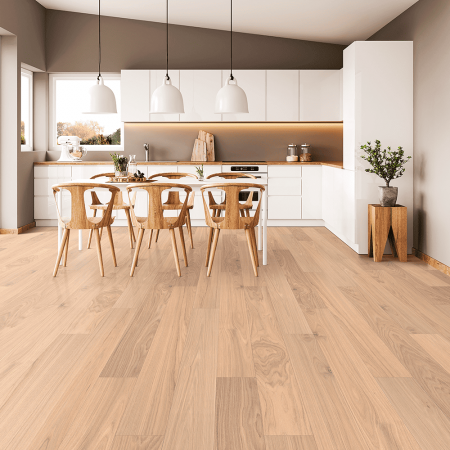
One growing trend is wide plank flooring, which showcases more of the wood’s natural grain and creates a spacious, modern look. Wider boards also mean fewer seams, contributing to a cleaner aesthetic.
Matte and satin finishes are becoming increasingly popular, replacing the glossy look of past decades. These finishes provide a more natural appearance and are better at hiding scratches and dust.
In terms of color, lighter tones such as white oak, blonde wood, and gray finishes are on the rise. They brighten interiors and pair well with minimalist or Scandinavian-inspired designs. On the other hand, dark stains like espresso and ebony remain timeless choices for creating a dramatic, luxurious atmosphere.
Conclusion
Hardwood flooring remains one of the most sought-after choices for both residential and commercial spaces, thanks to its beauty, strength, and long-term value. From solid and engineered options to reclaimed varieties, hardwood offers versatility that few flooring materials can match.
Its benefits—durability, timeless design, improved indoor air quality, and enhanced property value—make it a superior investment compared to alternatives such as vinyl, laminate, or carpet.
While hardwood requires an upfront investment and periodic maintenance, its ability to last for decades ensures that it is cost-effective over time. Moreover, refinishing options allow homeowners to refresh the look of their floors without full replacement.
Trends in wide planks, matte finishes, and eco-friendly choices continue to modernize this traditional flooring option, ensuring it remains relevant for generations.
